


 XRP Ledger Hits 10 Million AI Payments as Bitcoin Retreats
  SoftBank Shares Fall After $10 Billion OpenAI Investment
  AAVE, PUMP, WLD and SKY Rally as Crypto Market Slips
  Malaysia Aviation Group to Buy Airbus SAE Unit
  Italgas to Buy 22.5% Stake in Portugal’s Floene for €120 Million
  Bank of America Sees EUR/USD at 1.15 by Year-End
  Circle Urges EU to Revise MiCA Stablecoin Rules
  Robinhood Stock Nears $114 as Jobs Data Boosts Risk Appetite
  Citi Raises Bitcoin Target to $113,000 as Crypto Outlook Improves
  Chainalysis AI Traces $387M Bitget Hack in Under 10 Minutes
  Evernorth Set for Nasdaq Debut With 473 Million XRP Treasury
  Goldman Sachs Names CATL, Zenergy Top China Battery Picks
  Coinbase, Circle Stocks Slide as Bank Group Sues OCC Over Crypto Charters
  Citi Raises Bitcoin Price Target to $113,000 on ETF Optimism
  Trump Praises Boeing 737 Max After Flydubai Crash Attempt
  Sanofi, Regeneron Expand Drug Partnership in $8 Billion Deal
  Amazon Eyes $8 Billion Nvidia Chip Spinoff to Fund AI Expansion


 Add as a preferred source on Google
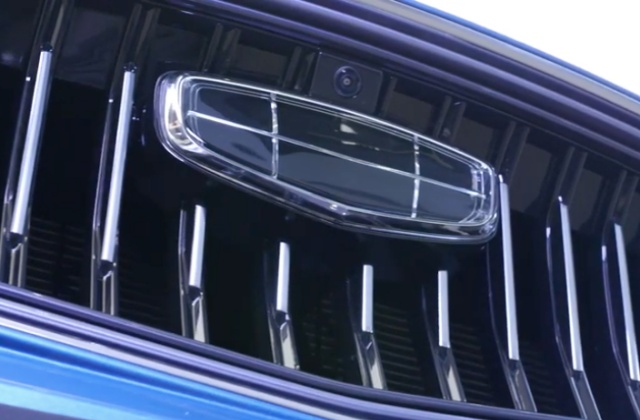
Geely Chairman and founder Li Shufu has announced that the Chinese automaker will not build new manufacturing plants or expand current ones, citing “serious overcapacity” in the global automotive industry. His remarks were made during an auto industry forum in Chongqing on Saturday, according to the company.
Geely Holding, which owns brands such as Geely Auto, Zeekr, and Volvo Cars, joins other Chinese automakers under pressure as a brutal price war and sluggish demand weigh on the world's largest auto market. The price competition has pushed many Chinese carmakers to pursue international expansion while regulators call for restraint to stabilize the market.
While rivals like BYD, Chery, and Great Wall Motor continue to construct plants overseas, Geely is taking a different route. Instead of investing in new infrastructure, the company is leveraging strategic partnerships. In February, Geely announced a plan to utilize French automaker Renault’s existing production facilities in Brazil and acquire a minority stake in Renault’s operations in the country.
Although Reuters reported in April that Chinese regulators had delayed approval for the Brazil project, Geely responded that its cooperation with Renault had been proceeding successfully.
As the global EV and auto sector faces tightening margins and growing competition, Li’s decision signals a shift in strategy for Chinese carmakers—focusing on efficiency, partnerships, and selective overseas expansion rather than aggressive domestic scaling.
The move aligns with calls from China’s central government to curb excess production capacity and stabilize the auto industry, particularly as automakers compete for shrinking profits in both traditional and electric vehicle segments.
With this strategic pivot, Geely aims to adapt to global market realities without further saturating the domestic auto landscape, reinforcing its long-term commitment to sustainable growth.







