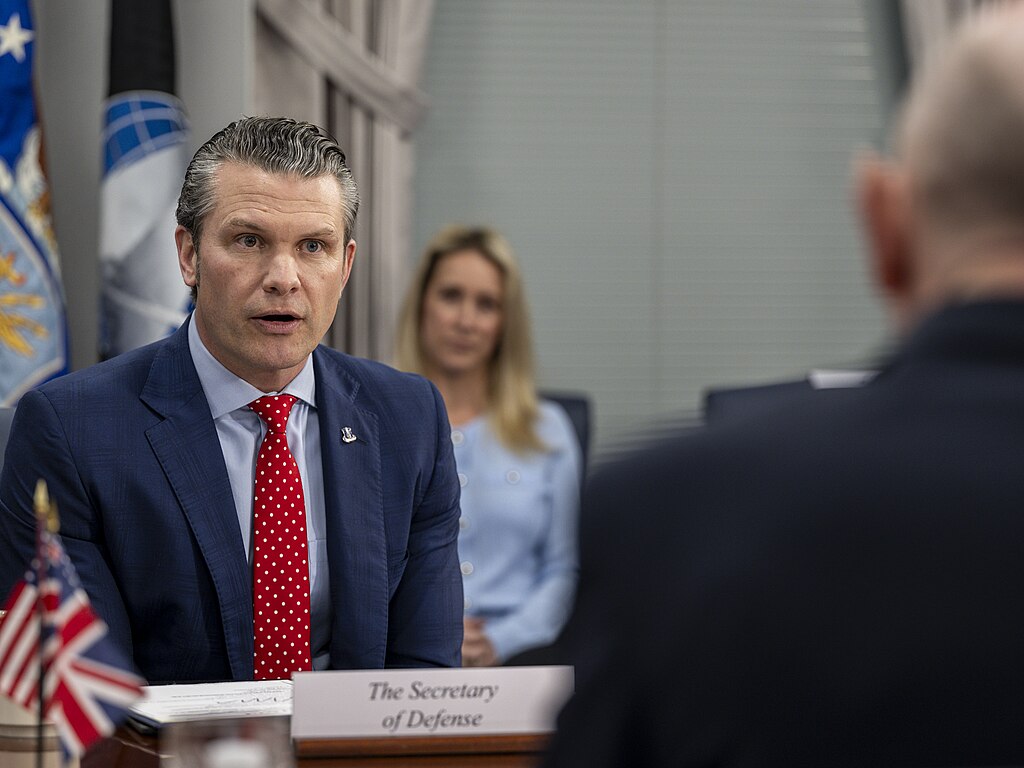
Germany and the U.S. are nearing a decision on transferring two U.S.-made Patriot air defense systems to Ukraine, according to German Defence Minister Boris Pistorius. Speaking in Washington after talks with U.S. Secretary of Defense Pete Hegseth, Pistorius said a final decision could come within days or weeks, with a potential delivery in months. Germany has already provided three Patriot systems from its own arsenal and is now looking to purchase U.S. units to bolster Ukraine’s defense amid intensifying Russian missile attacks.
In addition, Germany has formally requested U.S. Typhon missile launchers, capable of firing projectiles up to 2,000 kilometers, as a stop-gap measure while Europe develops its own long-range land-based systems. Pistorius noted that European alternatives are 7–10 years away from deployment.
The Typhon system could bridge a critical gap until 2026, when U.S. long-range missiles—such as Tomahawk cruise missiles and the Dark Eagle hypersonic weapon—are expected to be deployed to Germany. However, Berlin is still waiting for confirmation from Washington that the Biden-era deployment plan remains in effect.
Germany, once criticized for lagging in defense spending, is rapidly expanding its military budget, planning to raise annual defense expenditures to €162 billion by 2029. This increase supports NATO’s 3.5% of GDP target amid growing concerns over potential Russian aggression.
Discussions also addressed a U.S. global force posture review, which may result in troop reductions across Europe. Currently, 80,000 U.S. troops are stationed on the continent, with 40,000 in Germany. Pistorius said the U.S. has agreed to coordinate any drawdowns to avoid weakening NATO’s defensive capabilities.
The talks reflect Germany’s shifting defense posture and deeper transatlantic cooperation amid evolving geopolitical threats.