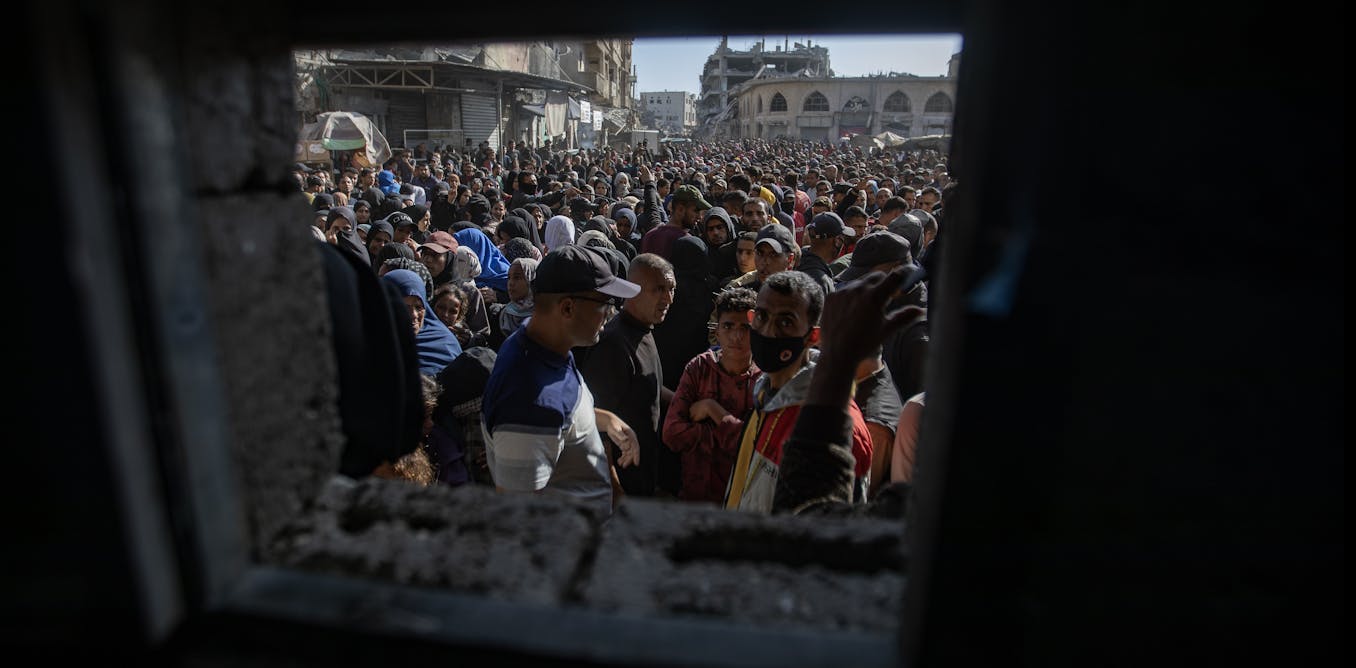
The humanitarian situation in Gaza has once again deteriorated, prompting serious concern from a group of Western and allied nations including the United Kingdom, Canada, France, Japan and several Nordic countries. In a joint statement released on Tuesday by the British Foreign Office, the foreign ministers warned that conditions in Gaza remain catastrophic and urged Israel to take immediate steps to ease restrictions and allow humanitarian operations to function effectively.
The statement called on Israel to permit non-governmental organisations to operate in a sustained and predictable manner and to ensure that the United Nations can continue delivering aid throughout the Palestinian enclave. The ministers also urged Israel to lift what they described as unreasonable restrictions on critical imports, including medical supplies and shelter equipment, and to open border crossings to significantly increase the flow of humanitarian aid into Gaza.
Although Israel and Hamas agreed to a ceasefire in October following nearly two years of intense conflict triggered by the October 2023 Hamas-led attack on Israeli communities, humanitarian agencies say the ceasefire has not translated into sufficient relief for Gaza’s civilian population. While access for food deliveries has improved, aid organisations argue that current levels remain far below what is needed to address widespread shortages and infrastructure damage.
Israel’s foreign ministry strongly rejected the joint statement, calling it misleading and one-sided. In a response posted on X, the ministry said the criticism ignores what it described as significant improvements in Gaza’s humanitarian conditions since the ceasefire began. Israel also reiterated its position that food supplies entering Gaza are adequate and blamed internal distribution challenges rather than border restrictions.
Meanwhile, a global hunger monitoring group reported on December 19 that famine conditions in Gaza had eased due to increased humanitarian and commercial food access. However, relief agencies continue to warn that without a sustained and expanded aid flow, the humanitarian crisis in Gaza could worsen again, underscoring the fragile and volatile situation on the ground.