U.S. stock futures fell sharply on Monday as fresh tariff threats from President Donald Trump rattled global financial markets, pushing investors toward traditional safe-haven assets such as gold, the Japanese yen, and the Swiss franc. The renewed trade tensions, centered on Europe and linked to U.S. demands over Greenland, sparked concerns about a broader U.S.-Europe trade war and its potential impact on global economic growth.
Thin trading conditions, due to a U.S. holiday that closed equity and bond markets, amplified market moves. S&P 500 futures dropped 0.7%, while Nasdaq futures slid 1.0%. European markets followed suit, with EUROSTOXX 50 futures and Germany’s DAX futures both declining 1.1%. In Asia, Japan’s Nikkei index fell 1.0%, and MSCI’s Asia-Pacific index outside Japan edged 0.1% lower.
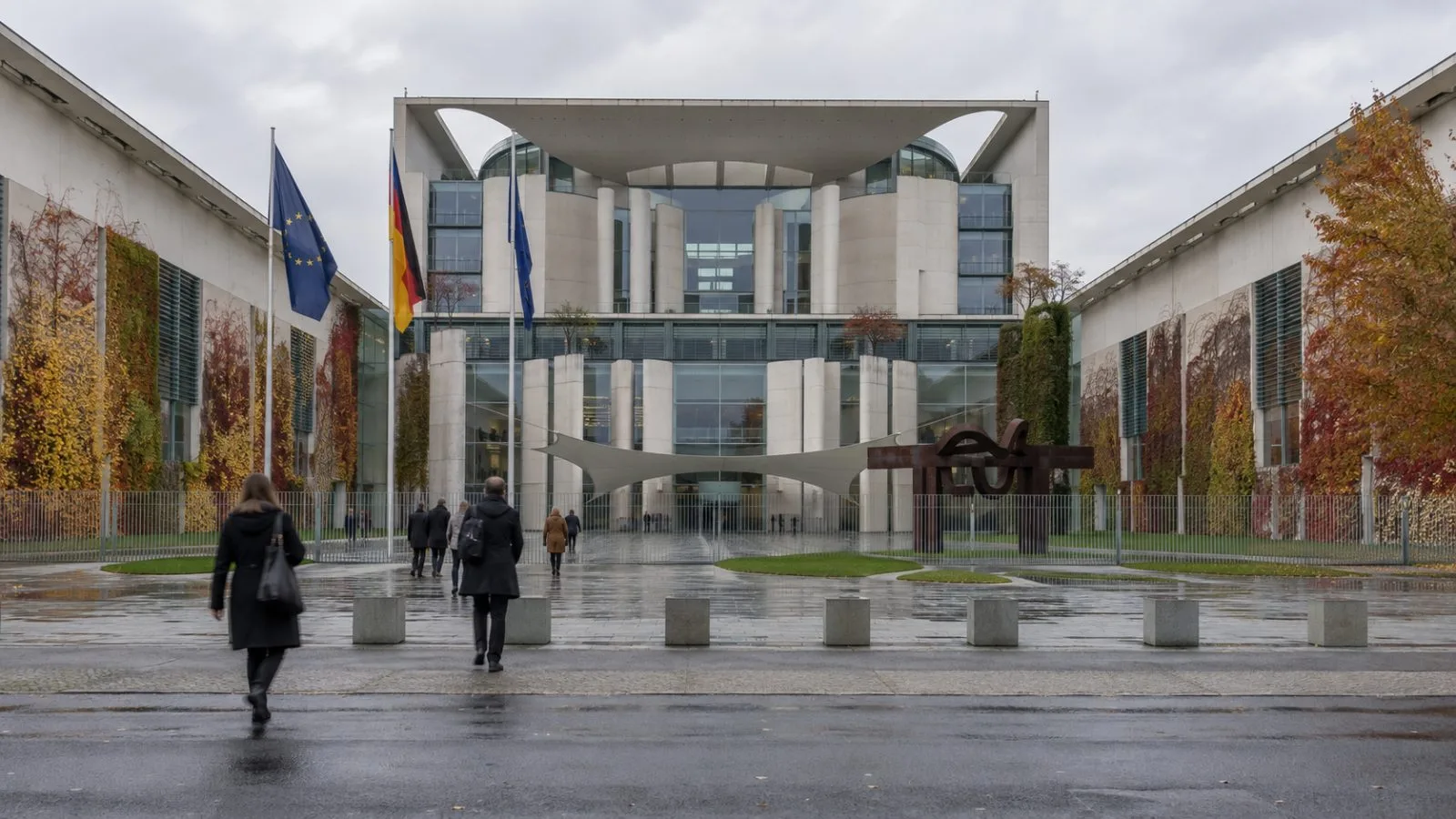
Trump announced plans to impose an additional 10% tariff on imports from eight European countries starting February 1, escalating to 25% by June if no agreement is reached. The targeted nations include Denmark, Norway, Sweden, France, Germany, the Netherlands, Finland, and Britain. European leaders condemned the move as economic blackmail, while France floated the idea of using previously untested countermeasures, including the EU’s Anti-Coercion Instrument and suspended tariffs on $108 billion worth of U.S. goods.
Currency markets reflected the risk-off mood. The dollar weakened against the yen and Swiss franc, while the euro and British pound managed modest rebounds. Gold surged 1.5% to a record high of $4,664 an ounce, and silver also hit new highs as investors sought safety. Oil prices slipped on fears that escalating trade tensions could curb global demand, with Brent crude falling to $63.84 a barrel and U.S. crude to $59.18.
Looking ahead, investors are watching key events including China’s economic growth data, the Bank of Japan policy meeting, delayed U.S. inflation figures, and a busy corporate earnings season featuring major companies like Netflix, Johnson & Johnson, General Electric, and Intel. All eyes will also be on the World Economic Forum in Davos, where global leaders, including Trump, are set to meet amid heightened economic uncertainty.