Asian markets opened cautiously this Monday as ongoing hostilities in the Gulf region continued to drive oil prices upward, casting a shadow over the global inflation outlook. With most major central banks scheduled for policy meetings this week, investors are bracing for a period of prolonged economic uncertainty.
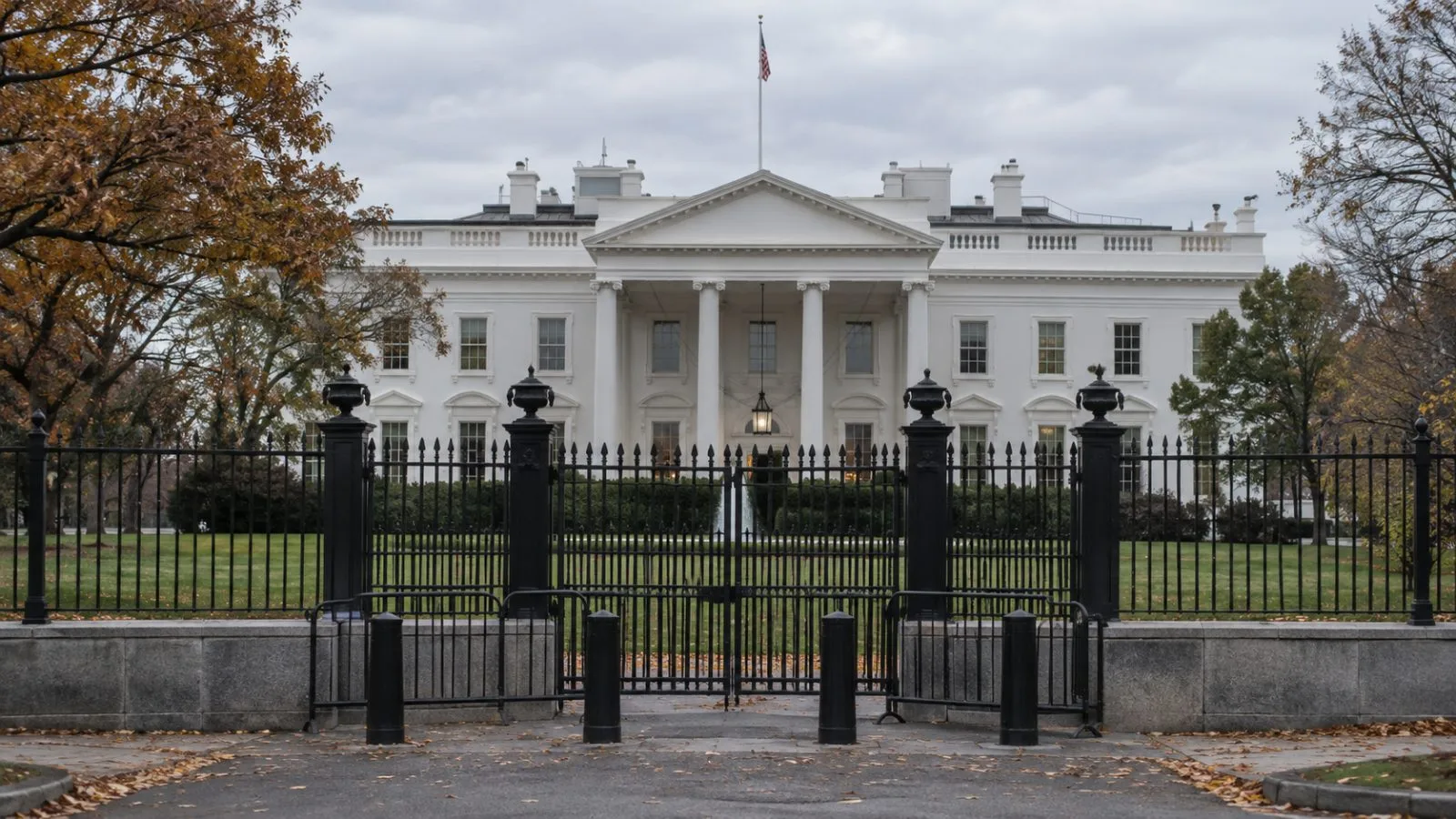
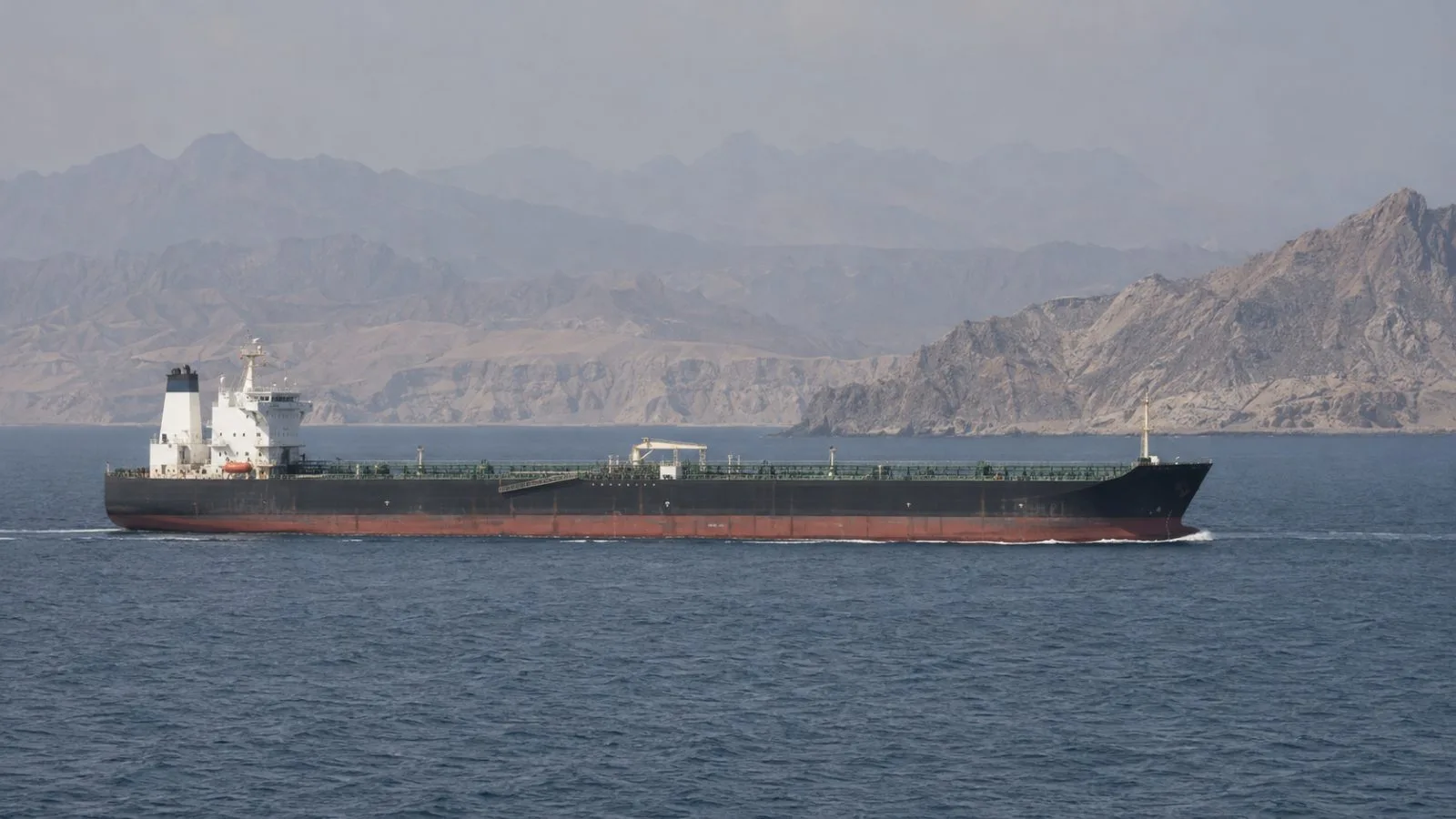
Brent crude edged up slightly to $103.27 per barrel, while U.S. crude slipped to $97.99, reflecting a nervous energy market watching every development in the Strait of Hormuz. A glimmer of hope emerged after reports surfaced that the Trump administration may soon announce a multinational coalition to escort commercial ships through the critical waterway, potentially easing supply disruption fears.
Central banks across the United States, United Kingdom, Europe, Japan, Australia, Canada, Switzerland, and Sweden are all convening their first major meetings since the conflict began. JPMorgan's chief economist Bruce Kasman noted that policymaker forecasts will now lean toward higher inflation and slower growth, prompting many institutions to delay or scrap previously anticipated rate cuts. The Federal Reserve is widely expected to hold rates steady on Wednesday, with the probability of a June rate cut tumbling to just 26%, down sharply from 69% just a month ago.
Meanwhile, the Reserve Bank of Australia stands out as the one central bank likely to raise its cash rate by a quarter point to 4.1% amid persistent domestic inflation pressures. Bond markets globally also felt the strain, with ten-year U.S. Treasury yields climbing to 4.26%.
Stock market futures showed modest gains, while investor eyes turn toward Nvidia's GTC conference in Silicon Valley, where cutting-edge developments in artificial intelligence and semiconductor technology are expected to take center stage.
The U.S. dollar remained broadly firm given America's advantage as a net energy exporter, while gold held steady at $5,022 per ounce, offering little safe-haven appeal despite the surrounding turbulence.