Multiple global stakeholders—including China, Mexico, the European Union, Japan, and Canada—have strongly urged the Trump administration to reconsider potential national security tariffs on imported commercial aircraft and components. According to documents released Tuesday, widespread opposition is mounting, with numerous international airlines and aerospace firms warning that new duties could disrupt global supply chains and increase costs in the aviation sector.
The concerns are part of a broader trade dispute as the U.S. evaluates tariffs under the premise of national security. Critics argue that the aerospace industry is highly integrated internationally, and tariffs would damage both U.S. competitiveness and diplomatic ties with key allies.
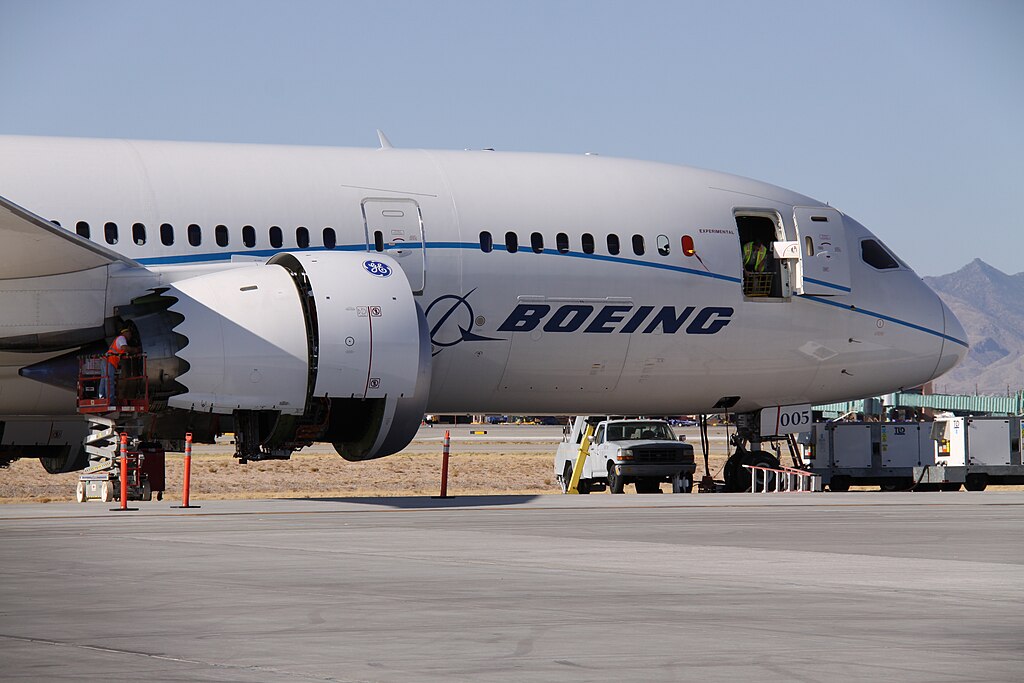
U.S. aerospace giant Boeing (NYSE:BA) also submitted comments to the Commerce Department, citing a recent trade agreement with the United Kingdom as a precedent. That deal, finalized in May, guarantees duty-free access for commercial aircraft and parts between the two nations. Boeing emphasized that future U.S. trade agreements should maintain similar provisions to support the global aviation industry.
Boeing’s filing highlighted the importance of seamless cross-border trade in the aerospace sector, warning that tariffs could harm American manufacturers and job growth. The company called on U.S. officials to protect duty-free treatment of aircraft products in all future trade deals.
The proposal for tariffs has yet to be finalized, but the broad international and corporate backlash signals potential diplomatic and economic fallout if enacted. Industry leaders and trade partners remain hopeful that the U.S. will uphold free trade principles in the aerospace sector to avoid disruption and maintain international collaboration.