Gold prices climbed during Asian trading on Thursday, recovering from losses recorded in the previous session as investors reacted positively to the signing of an interim peace agreement between the United States and Iran. The renewed optimism surrounding geopolitical stability helped support demand for the precious metal, even as markets assessed the Federal Reserve’s latest policy outlook.
Spot gold rose 1.4% to $4,317.80 per ounce by 01:20 GMT, while U.S. gold futures edged 1% lower to $4,339.30. The rebound followed a sharp decline on Wednesday, when gold prices fell 1.7% amid a stronger U.S. dollar and higher Treasury yields after the Fed’s policy announcement.
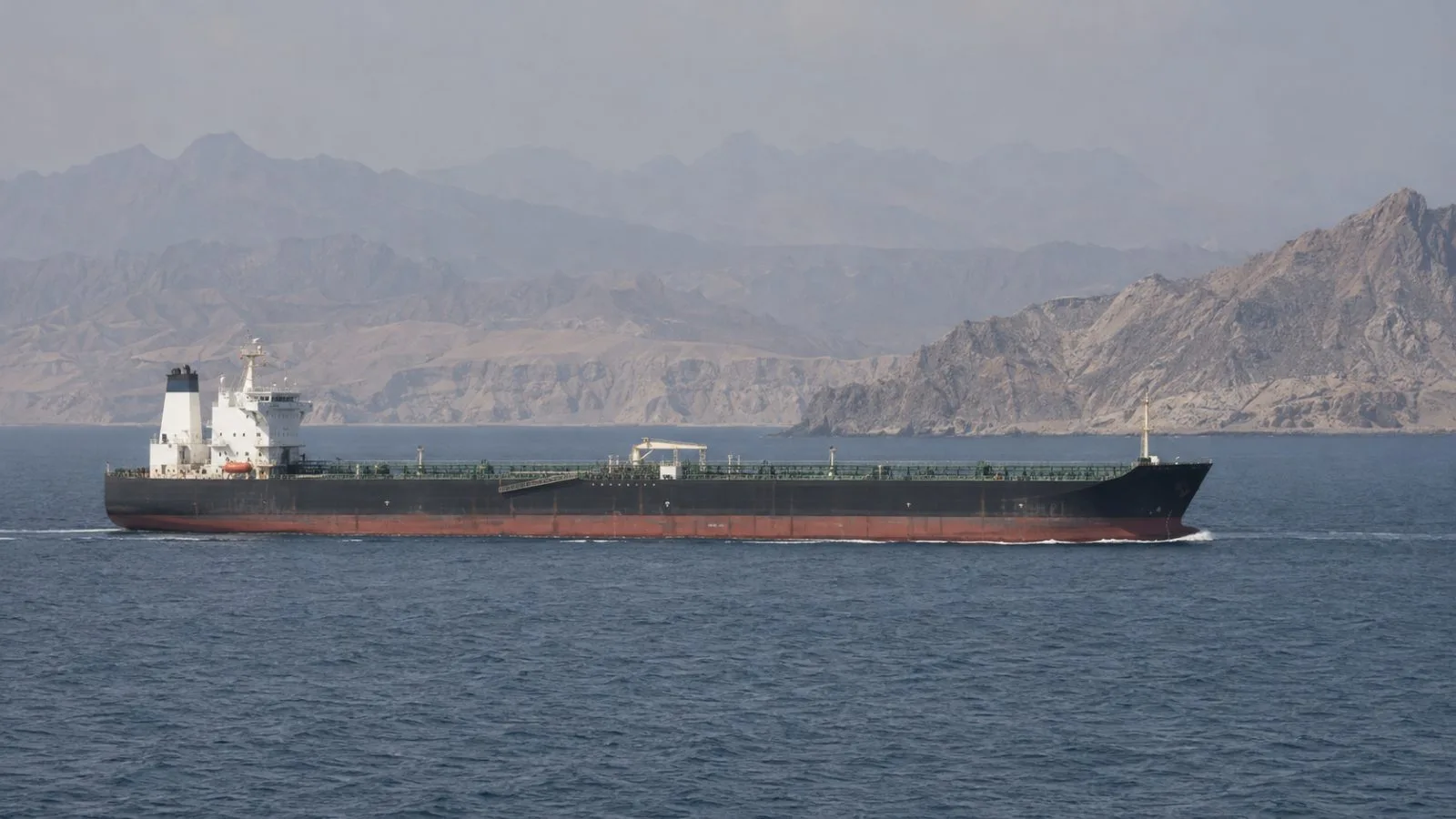
Investor sentiment improved after Washington and Tehran signed a 14-point memorandum that initiates a 60-day negotiation period aimed at easing tensions in the Middle East. Under the agreement, Iran will permit toll-free passage through the Strait of Hormuz, a critical global energy shipping route, with plans to restore full traffic capacity within 30 days.
The U.S.-Iran peace accord has reduced concerns over potential disruptions to global oil supplies, easing fears of energy-driven inflation. While lower geopolitical risk typically limits safe-haven demand, gold continued to attract investors seeking portfolio protection amid ongoing economic uncertainty.
However, gains in the gold market remained limited after the Federal Reserve kept interest rates unchanged at 3.50% to 3.75%. The central bank also indicated that additional monetary tightening could still be on the table later this year.
According to updated Fed projections, nine of the 19 policymakers now expect at least one interest rate increase in 2026, signaling a more hawkish stance compared to earlier expectations. Higher interest rates generally weigh on non-yielding assets such as gold by increasing the appeal of interest-bearing investments.
Market participants will continue monitoring developments surrounding the U.S.-Iran negotiations and future Federal Reserve policy decisions, both of which are expected to play a key role in determining the direction of gold prices in the coming months.