


 Trump Demands Powell Resign Over Fed Renovation Cost Overruns
  Trump Opens Tax-Exempt Dyed Diesel Access as Fuel Prices Surge
  Bitcoin Nears $87K as Crypto Market Gains
  Asian Currencies Slide as Dollar Rises, Euro Hits 17-Month Low
  China Shuts 670 Banks as Bitcoin Eyes Financial Risks
  BOJ Raises Interest Rate to 31-Year High as Yen Weakens
  AAVE, PUMP, WLD and SKY Rally as Crypto Market Slips
  Yen Sinks as BOJ Rate Hike Fails to Impress Markets
  Fed’s Williams Signals One More Rate Hike Before Year-End
  RBA Set for September Rate Hike as Inflation Stays High
  Asian Stocks Rise as Fed Rate Hike Bets Fade


 Add as a preferred source on Google
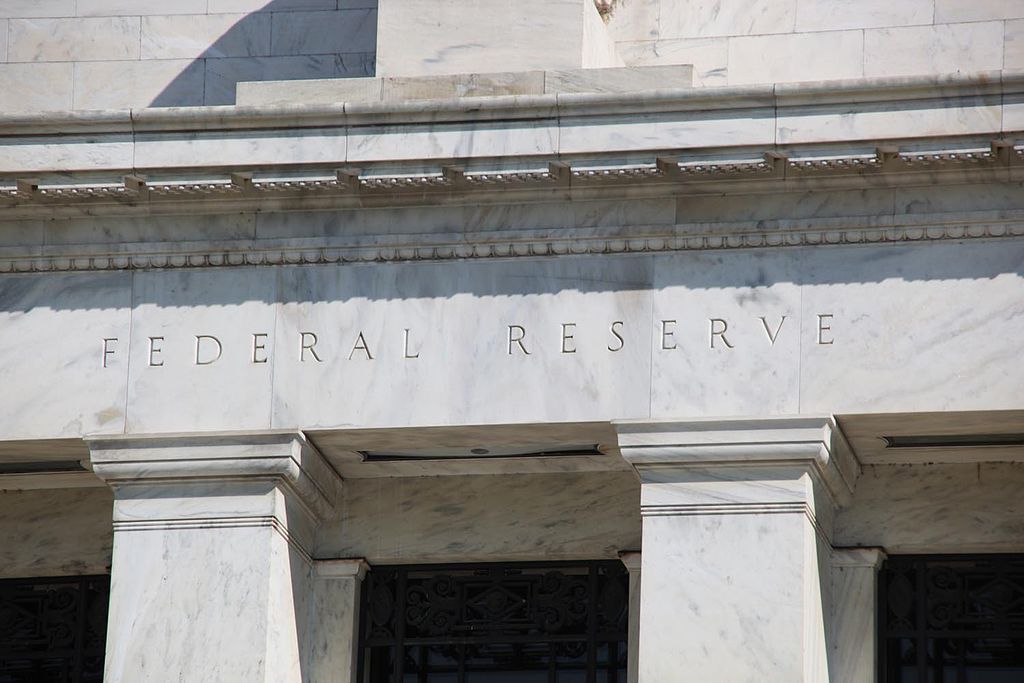
Goldman Sachs has revised its outlook for U.S. monetary policy, predicting that the Federal Reserve will keep interest rates unchanged through 2026 and postpone any rate cuts until 2027. The updated forecast reflects stronger-than-expected economic activity and continued resilience in the U.S. labor market following a robust jobs report released last week.
The investment bank now expects the Federal Reserve to implement two 25-basis-point rate cuts in June and December 2027. Previously, Goldman Sachs had projected rate reductions in December 2026 and March 2027. The change highlights growing confidence that the U.S. economy can withstand higher borrowing costs for a longer period.
According to Goldman Sachs, recent employment data showed stronger job growth than economists anticipated, reinforcing the view that the labor market remains healthy. The solid payroll figures provide policymakers with greater flexibility to maintain current interest rates despite ongoing inflation concerns. Rising energy costs linked to tensions in the Middle East and the economic impact of tariffs are also expected to keep inflation pressures elevated.
The bank noted that stronger economic performance and steady employment reduce the urgency for the Federal Reserve to lower rates. While Goldman Sachs still considers an interest rate hike unlikely, it acknowledged that the possibility has become slightly more realistic than previously assumed due to the economy’s continued strength.
Goldman believes the most probable scenario is that the Fed waits until inflation moves closer to its 2% target before beginning an easing cycle. The brokerage also expects policymakers to monitor the effects of tariffs, higher oil prices, geopolitical risks, and what it described as potentially overstated demand linked to artificial intelligence investments.
Goldman Sachs joins a growing number of financial institutions forecasting a prolonged pause in Federal Reserve policy. Nomura similarly projected last month that the U.S. central bank would keep rates on hold through 2026.
Meanwhile, market participants continue to monitor interest rate expectations closely. According to CME FedWatch data, traders currently assign a 75.5% probability that the Federal Reserve will raise interest rates by the end of the year, reflecting ongoing uncertainty surrounding inflation and economic growth.







