


 Moonshot AI Executives Seek Settlement Ahead of Hong Kong IPO
  Meta Found Liable in New Mexico Facebook Data Privacy Case
  Morgan Stanley Predicts $10 Trillion RWA Market by 2030
  TSMC Profit Set to Surge 65% as AI Chip Demand Drives Record Earnings
  Nasdaq Faces Pullback to 26,225 Despite Bullish Outlook, UBS Says
  Maduro, Wife May Face New US Torture Charges
  TSMC Q3 Revenue Beats Estimates as AI Chip Demand Surges
  Meta Launches Muse Wonder AI Models, Shares Rise 3.7%
  FAA Warns US Airlines Over Saudi Arabia Flight Risks
  Apple Supplier Luxshare Sees Limited Impact From US Patent Probe
  Most Americans Oppose Election Betting on Prediction Markets, Poll Finds
  Visa Wins China Approval to Prepare Domestic Payments Expansion
  Supreme Court Takes Up Exxon, Suncor Climate Case
  Elon Musk Eyes Semiconductor Manufacturing Expansion With $15 Billion Terrafab Project
  Russia Approves Sberbank for Crypto Exchange Services
  Jameson Lopp Downplays AI Threat to Bitcoin Cryptography


 Add as a preferred source on Google
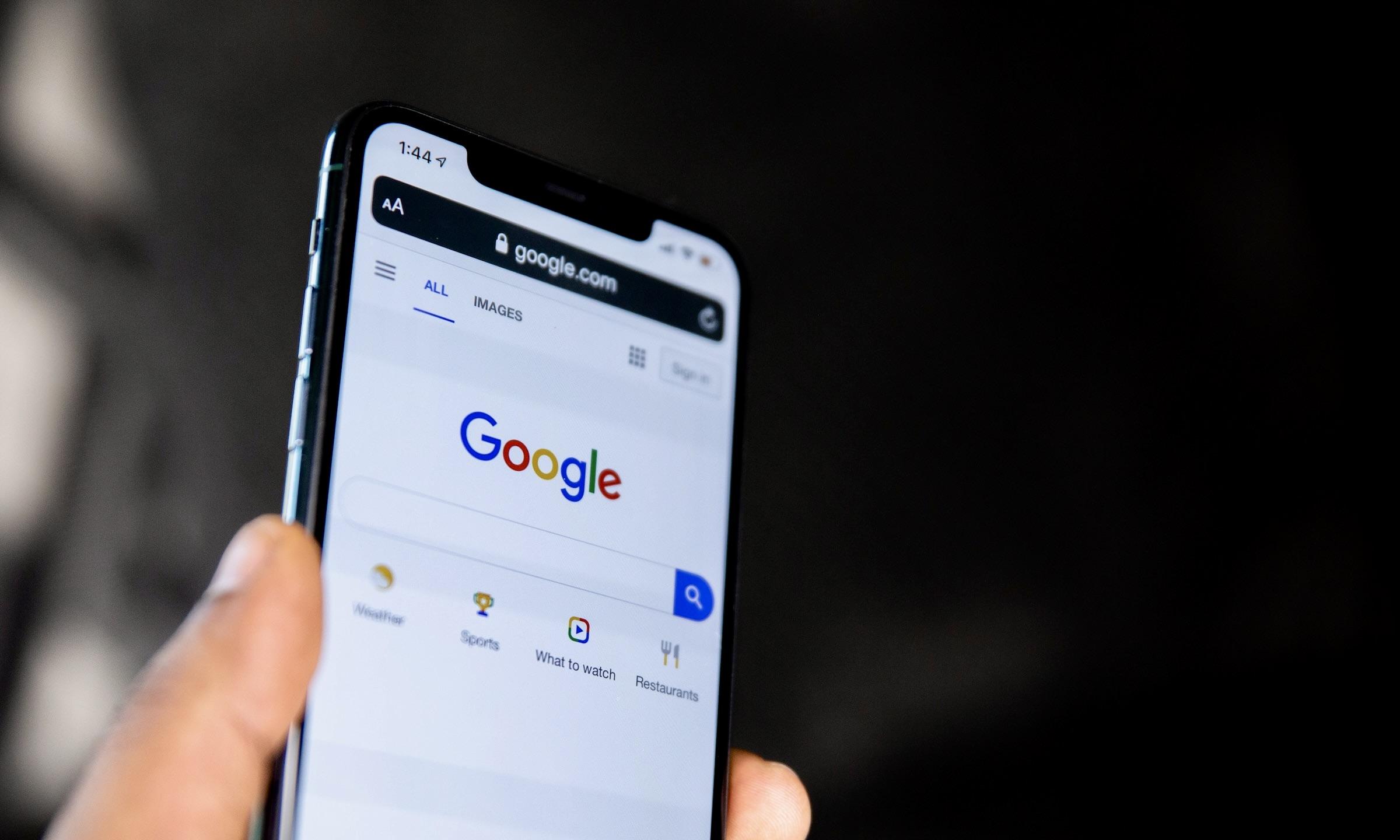
In a major antitrust case, Google CEO Sundar Pichai defended his company's practice of paying tech giants, including Apple, as the default search engine on their devices. Pichai stated that the intention was to enhance the user experience, making it "seamless and easy."
The Department of Justice, on the other hand, argued that these payments hinder competition and stifle innovation. Japan Today reported that recent court documents reveal that Google paid over $26 billion in 2021, while Alphabet's operating expenses reached approximately $68 billion.
The Purpose of Google's Payments to Tech Companies
As Google's star defense witness, Pichai clarified that the payments made to phone manufacturers and wireless phone companies served multiple purposes, according to ABC News. Beyond acquiring the advantage of being the default search engine, these payments also aimed to prompt improvements in security and overall device performance.
Google's revenue comes from displaying advertisements in its search results, and it shares a portion of that revenue with Apple and other companies that make Google their default search engine.
Google maintains that its dominance in the market is rooted in the superior performance of its search engine. Pichai emphasized the company's relentless efforts to provide the best user experience for every query. He stated, "We are working very, very hard to ensure that we deliver the optimal experience for every user. That's always been our true north."
Google's anxieties about potential competition were also revealed during the trial. The company feared Apple might establish its search engine, potentially disrupting the market. Furthermore, Google acknowledged concerns about losing talent to Apple.
Antitrust Case Timeline and Trial Proceedings
The antitrust case was initially filed in 2020, and the trial commenced on September 12th in the U.S. District Court in Washington D.C. The proceedings are expected to span 10 weeks.
U.S. District Judge Amit Mehta is not expected to issue a ruling until early next year. If the court concludes that Google violated antitrust laws, a subsequent trial will determine the appropriate measures to curb Google's market power. One potential outcome could be prohibiting Google from paying companies such as Apple to make it the default search engine.
Microsoft CEO Satya Nadella appeared as a witness earlier in the trial, highlighting the significant hold that Google has developed over the market. This ongoing antitrust case underscores the scrutiny faced by dominant tech companies and their impact on competition and innovation.
Photo: Solen Feyissa/Unsplash







