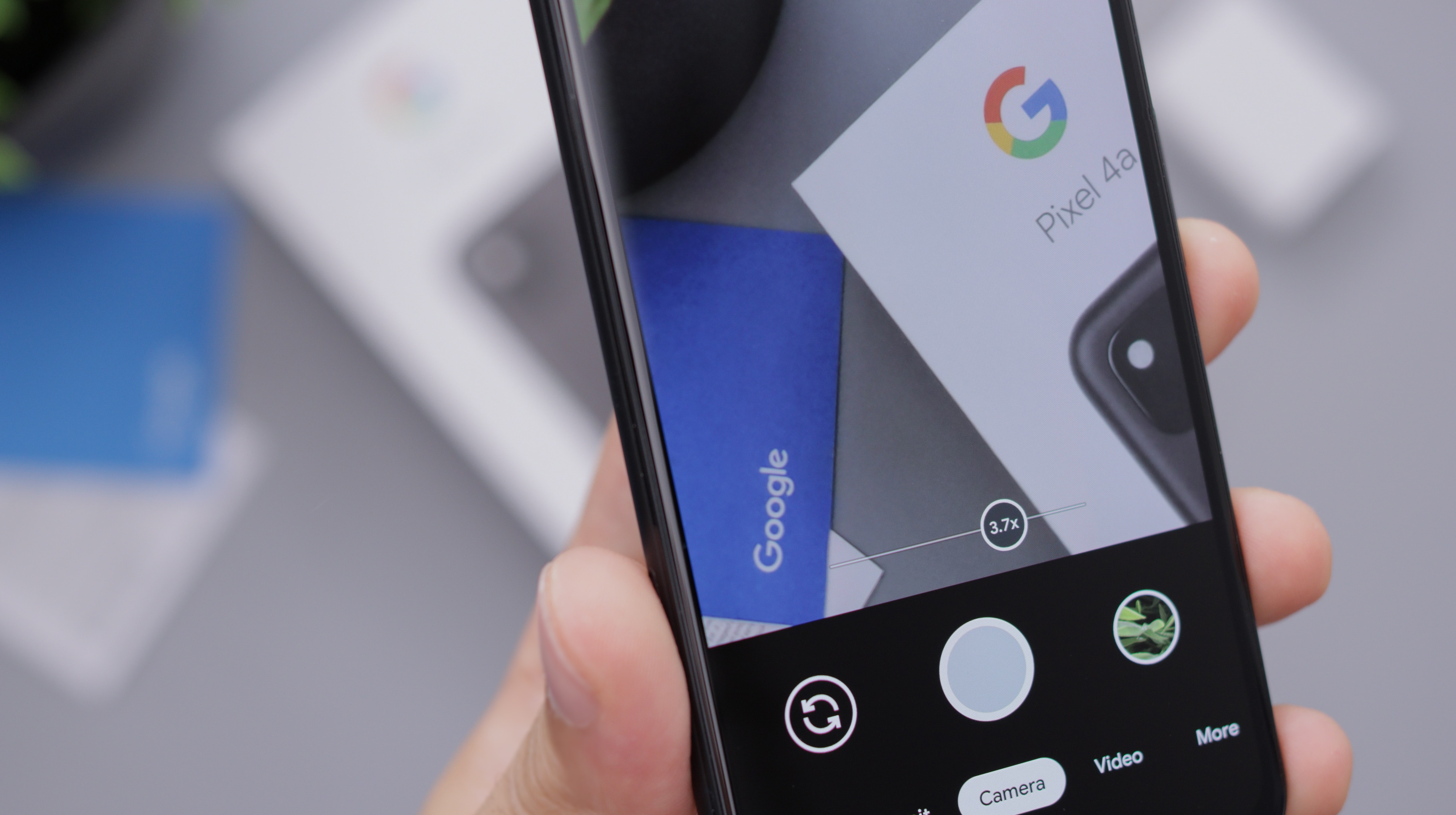
Google's latest innovation empowers Pixel phone users to perform on-device diagnostics, allowing them to identify and address issues without the need for external support. This tool provides a comprehensive set of diagnostic tests covering hardware components such as the camera, battery, display, and more.
The aim is to simplify the troubleshooting process, enabling users to diagnose and resolve common problems on their own quickly.
Diagnostics Tool Features
The on-device diagnostics tool offers a range of tests grouped into categories such as Visual, Sensor, Connectivity, Camera, Audio, Screen, Others, Outer Display (for Pixel Fold), and Defects.
Users have the option to run a full diagnostic test to comprehensively scan their device or perform individual tests to identify specific issues. These tests enable users to assess the performance of different components and functionalities of their Pixel phones.
This initiative aligns with Google's commitment to sustainability and reducing electronic waste. By empowering users to diagnose and potentially repair their devices independently, Google aims to extend the lifespan of Pixel phones and contribute to a more environmentally friendly approach to technology.
Google's On-Device Diagnostics Received Positive Feedback
The Verge reports that the On-Device Diagnostics Tool has received positive feedback during its testing phase, with users expressing satisfaction with the ability to troubleshoot issues without the need for professional assistance.
Additionally, 9to5Google highlights that the tool is accompanied by comprehensive repair manuals, offering users detailed instructions for resolving specific hardware issues.
Although the diagnostics tool and repair manuals are currently limited to Pixel Fold, Pixel 8, and Pixel 8 Pro models, Google has announced its intention to expand the availability of these resources to previous and future Pixel devices in the coming months.
As Google continues prioritizing user-centric solutions, the On-Device Diagnostics Tool is expected to play a crucial role in shaping the future of smartphone support and repair.
Photo: Daniel Romero/Unsplash