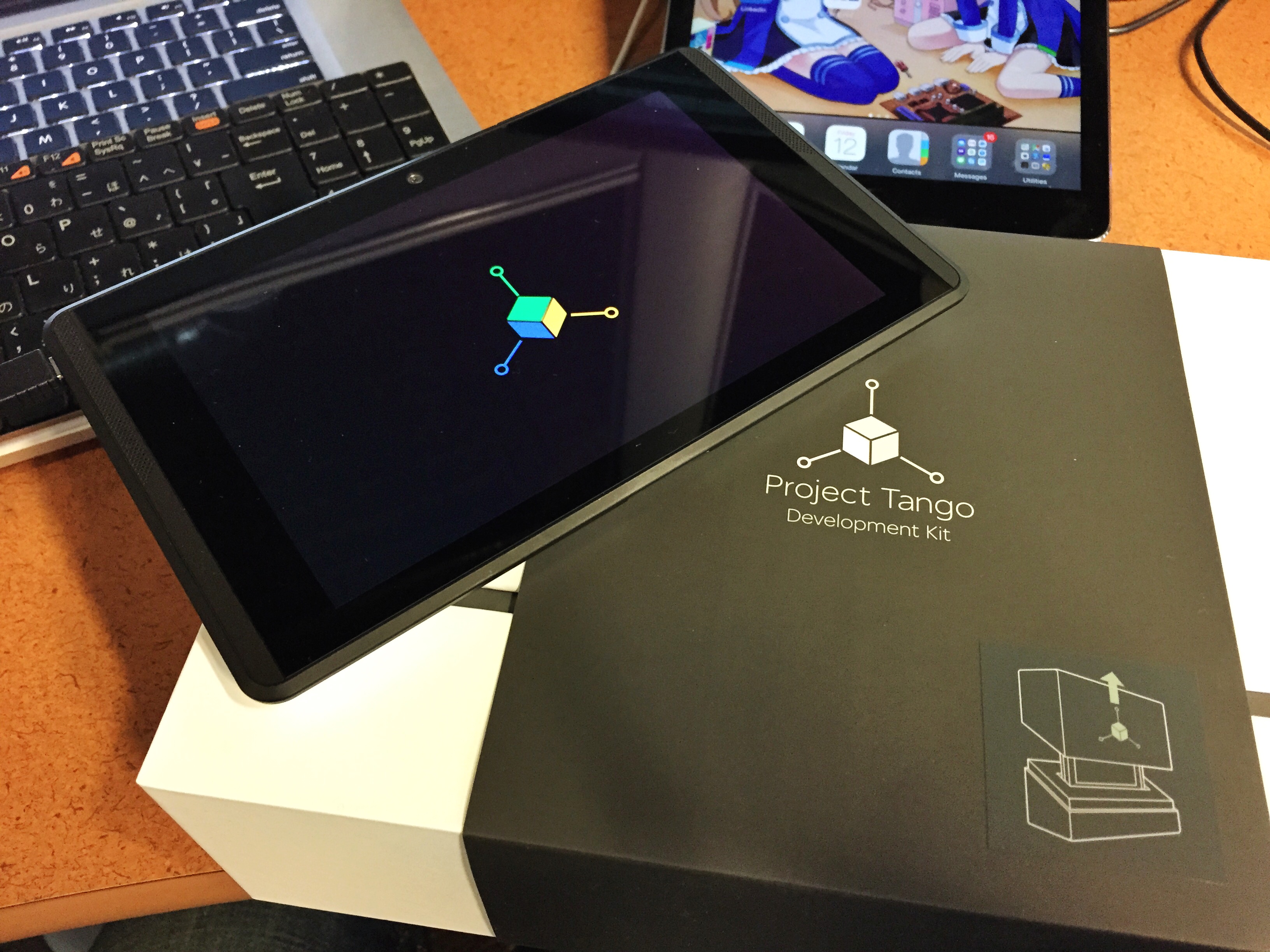
Although it has had an incredible augmented reality technology up its sleeves since 2014 with Tango, Google has not done much with it in the way of giving the mass consumer market access. Now that Apple is threatening to beat the search engine company to the punch with the imminent launch of the ARkit for iOS 11, Google is responding with its own launch of what’s called the ARCore.
As TechCrunch points out, Google has had excellent AR technologies for some time, but they have been beyond the reach of actual consumers. Tango was simply far too limited in scale, which meant that it could not reach the kind of growth that it needed. By opening up the technology via ARCore, Google now has a much better chance of reaching a wider audience.
For now, only the Google Pixel smartphones and the Samsung Galaxy S8 will be able to make use of the technology once it launches. However, the search engine firm aims to reach over 100 million devices that use the Android OS eventually.
On that note, it’s worth pointing out that there are going to be some compromises with the ARCore. For starters, there’s the matter of putting aside the 3D mesh formation that the Tango employs and replacing that with the motion-tracked AR technology that most Android phones are capable of.
Basically, it won’t be as good as Tango devices in terms of superimposing AR images over the real-world, but it’s a lot more accessible. As Clay Bavor, the head of Google’s AR/VR division told the publication, however, future sensor technologies should compensate for this compromise.
“We’ve architected ARCore to be able to perceive a wide variety of sensors,” Bavor said. “We foresee, in the future, many more phones having depth-sensing capabilities and as those come into mainstream phones, that’s great, ARCore will work seamlessly with those and benefit from the additional sensing capabilities.”