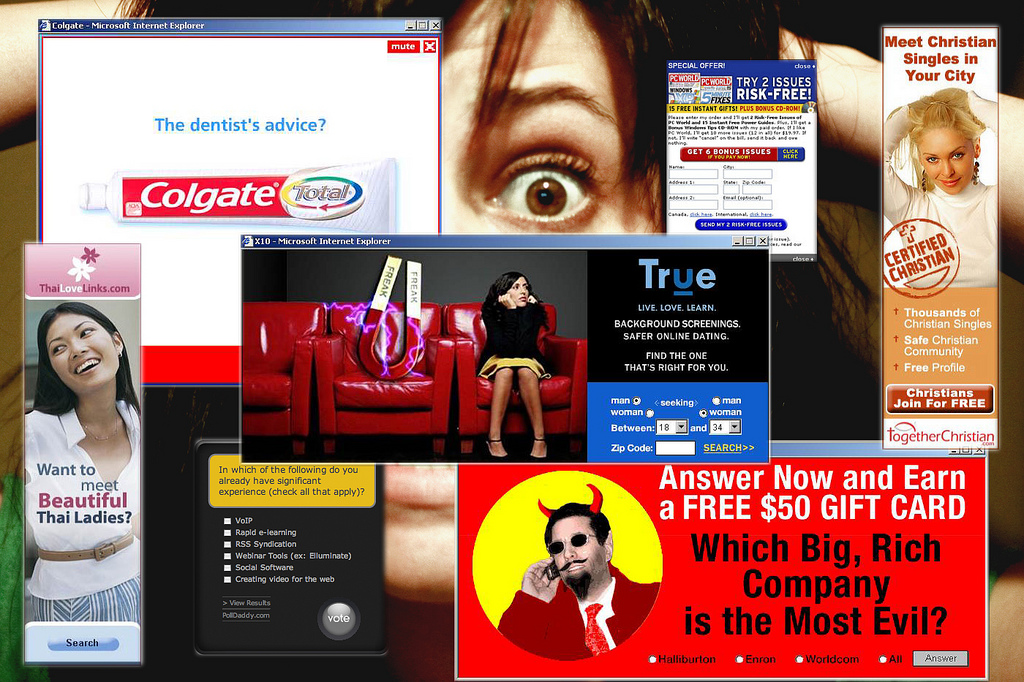
The main reasons for why users employ ad blockers when surfing the web is to avoid those annoying pop-up windows that some sites still employ. Google has slowly caught on to the trend and has since been trying to create a more user-friendly environment. In a recent announcement, the company is warning publishers that it will start letting its Chrome Ad Blocker loose on low-quality ads.
Even though ads are the predominant source of income for Google, the company does have certain standards that publishers need to comply with. More to the point, the ads that this new development will affect include Google’s own ads and that of other companies, The Verge reports.
The ads that will be targeted by Chrome are outlined in their Ad Experience Report, which will be provided to publishers. Google is hoping that this will minimize the presence of disruptive ads on the web, which can include auto-playing videos and flashy pop-up windows that are difficult to close.
Of course, the company is also aware that most publishers on the internet are surviving on ad revenue and Chrome’s ad blocking tool as well as that of third-party companies’ will hurt their business. Unfortunately, it’s simply a fact that at the end of the day, the user experience is what Google will prioritize as Google’s Senior Vice-President of ads, Sridhar Ramaswamy wrote on a blog post.
“The vast majority of online content creators fund their work with advertising,” the blog post reads. “That means they want the ads that run on their sites to be compelling, useful and engaging--ones that people actually want to see and interact with.
“But the reality is, it’s far too common that people encounter annoying, intrusive ads on the web--like the kind that [blares] music unexpectedly or force you to wait 10 seconds before you can see the content on the page. These frustrating experiences can lead some people to block all ads--taking a big toll on the content creators, journalists, web developers and videographers who depend on ads to fund their content creation.”