


 The pandemic is still disrupting young people’s careers
  Can your cat recognise you by scent? New study shows it’s likely
  Gold Prices Rise as Dollar Weakens, Treasury Yields Fall
  Starbucks Explores Chipotle Acquisition as Shares Swing
  Xiaomi Shares Surge 7.6% as SkyNomad EV Orders Hit 70,000
  US-Led Coalition Targets Global Factory Overcapacity
  Gold Prices Rise as Hormuz Tensions Fuel Inflation Risks
  Polkadot Launches dotUSD Stablecoin as DOT Price Falls
  US Dollar Hits 18-Month High as Fed Signals More Rate Hikes
  Zcash Plans Quantum-Resistant Security Upgrade for January
  Asian Currencies Mixed as Yen Weakens, Dollar Holds Firm
  UK House Prices Flat in September as Mortgage Rates Weigh
  Gold Prices Fall as Stronger Dollar Weighs on Bullion
  Heritage, desire and diplomacy: why China still values scotch whisky
  France to Release 10 Million Barrels of Diesel to Ease Fuel Prices
  Amazon Cuts More Jobs as AI Investment Expands
  The Beauty Beneath the Expressway: A Journey from Self to Service


 Add as a preferred source on Google
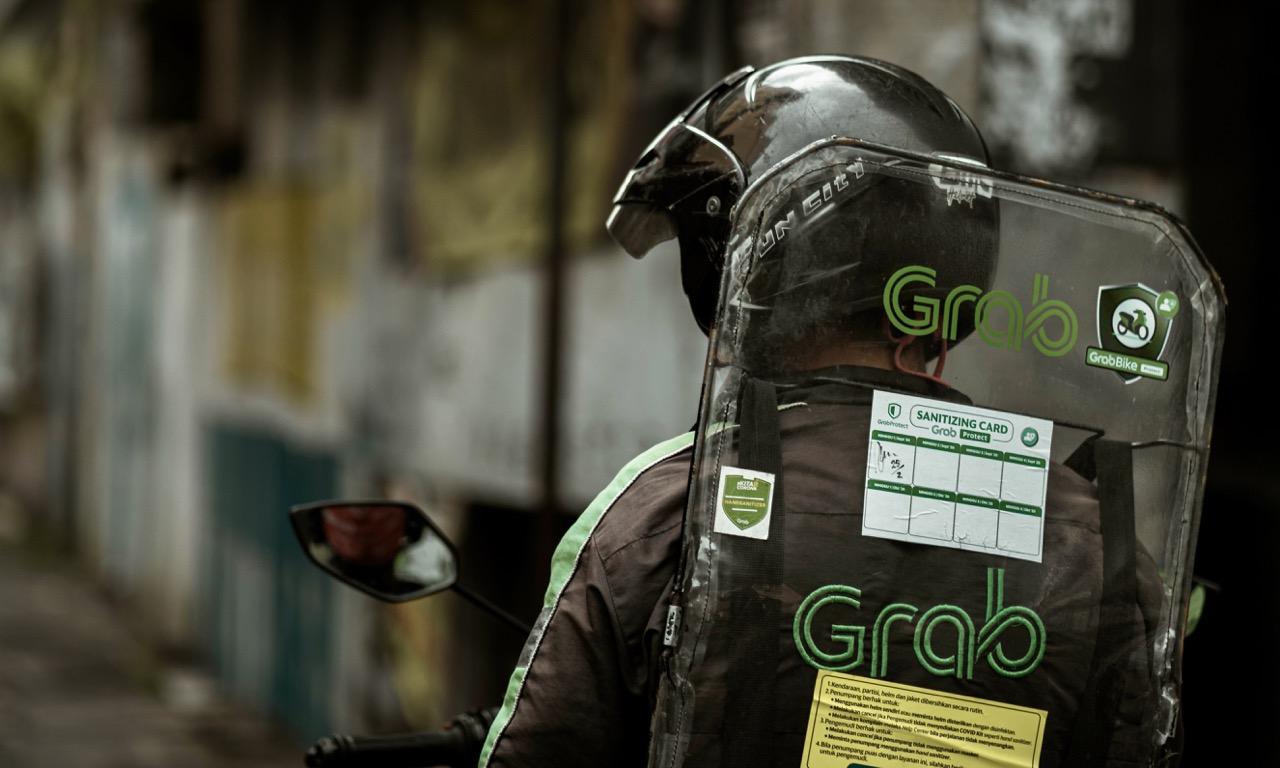
Grab Holdings, the renowned Southeast Asian tech giant, revised its profitability forecast, witnessing surging demand in food delivery and ride-share sectors while implementing significant cost-saving strategies, including workforce reductions.
The latest quarterly results surpassed expectations, propelling Grab's US-listed shares by an impressive 9 percent. Amidst these positive developments, the firm now envisions achieving a breakeven point on an adjusted core earnings basis by the current quarter, ahead of its previously targeted fourth-quarter milestone. Additionally, Grab aims to realize an estimated $80 million in annualized cost savings from recent changes, including layoffs.
As part of its restructuring strategy to drive down costs, Grab has implemented various measures, such as slashing its cloud expenditure and reducing consumer and worker incentives. In its most extensive round of layoffs since early 2020, the firm downsized approximately 1,000 roles, equivalent to around 11 percent of its workforce, to optimize its bottom line.
Grab CFO Peter Oey emphasized the importance of long-term business growth as the company strives to recover from the impact of the COVID-19 pandemic. Oey expressed optimism about the abundance of opportunities in the mobility sector, highlighting the goal of reaching pre-COVID levels by the end of the year.
According to Refinitiv data, Grab's revenue for the quarter ending June 30 surged by 77 percent to $567 million, exceeding analysts' estimate of $546.1 million. Notably, the food delivery business, Grab's largest segment, achieved sales growth of over 100 percent, while the ride-share sector recorded a notable 29 percent increase. Although delivery sales were slightly below Refinitiv's estimates, the overall performance showcases Grab's resilience and adaptability in a challenging market.
The company also reported a $50 million charge related to the previously announced layoffs in June. Adjusted for this, Grab reported a loss of 3 cents per share, compared to an anticipated loss of 5 cents.
Photo: Farel Yesha/Unsplash







