Global currency markets held largely steady Thursday as traders stayed on the sidelines ahead of a closely watched national address by U.S. President Donald Trump, expected to outline potential ceasefire developments in the ongoing Gulf war with Iran.
Trump's televised speech, scheduled for 9 p.m. EDT, is anticipated to confirm that U.S. military objectives have been met and signal a wind-down of hostilities within two to three weeks. The announcement could significantly influence global financial markets, which have been navigating uncertainty since the conflict erupted in late February.
The U.S. dollar, which had rallied on safe-haven demand throughout the war, slipped for a second consecutive day as ceasefire optimism softened its appeal. The dollar index edged down to 99.56 following a 0.3% drop on Wednesday. Meanwhile, the euro held near $1.1592 and the British pound traded around $1.3308, both retaining recent gains against the greenback. Risk-sensitive currencies including the Australian dollar and New Zealand dollar remained stable at $0.6927 and $0.5750, respectively.
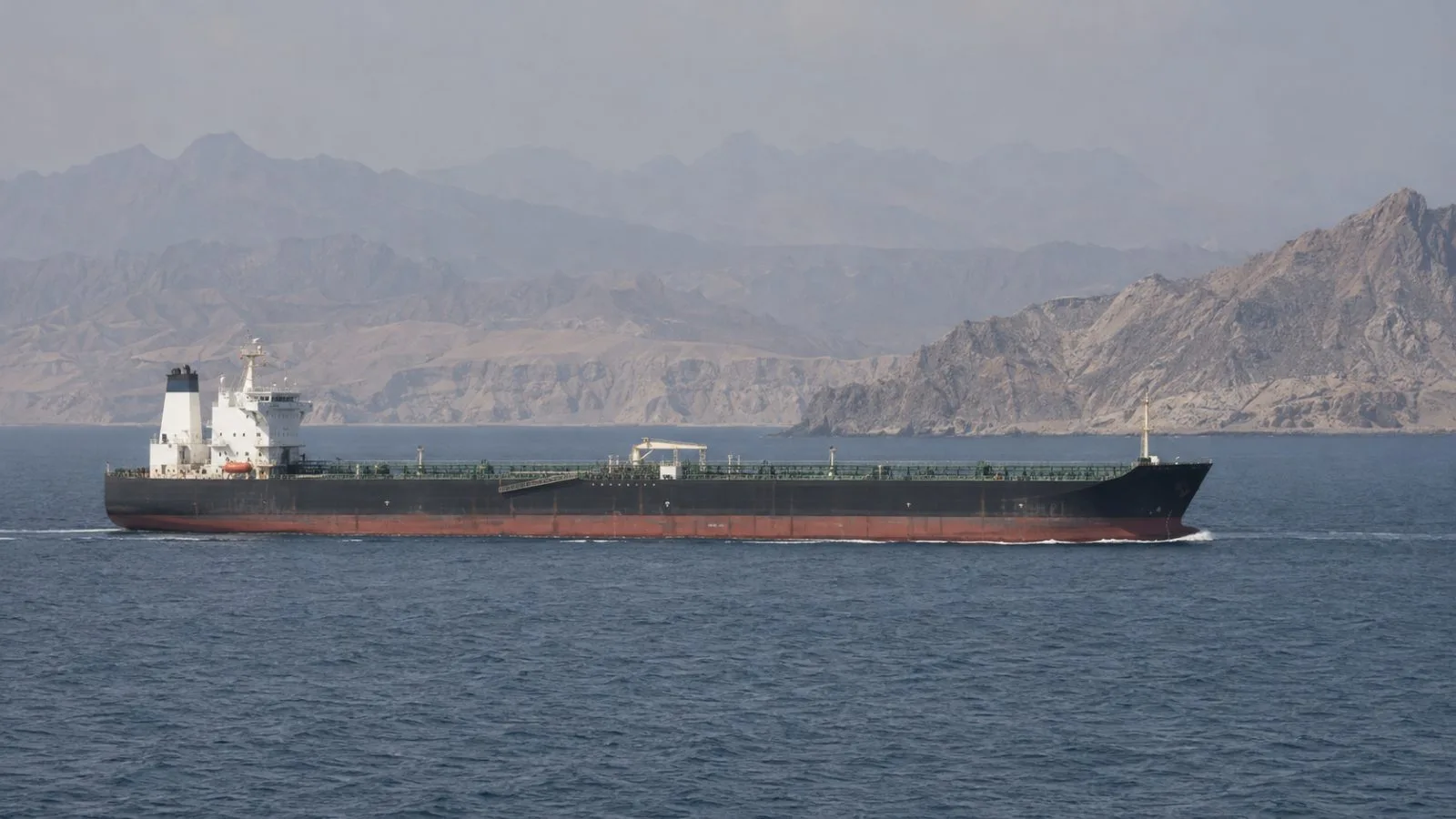
Despite the cautious optimism, analysts warn that a U.S. military pullback may not fully restore market stability. Currency strategist Carol Kong of Commonwealth Bank of Australia noted that Iran could still restrict access to the Strait of Hormuz, a critical passage handling roughly 20% of global oil and liquefied natural gas supplies. Damaged infrastructure means energy markets are unlikely to normalize quickly, keeping inflation pressures elevated.
The Japanese yen traded at 158.64, holding comfortably away from the 160 threshold widely regarded as a trigger point for intervention by Japanese monetary authorities.
Beyond Trump's remarks, investors are also eyeing Friday's U.S. non-farm payrolls report. Economists expect job growth of around 60,000 for March. A significant labor market slowdown could reignite Federal Reserve rate cut expectations, which have been largely dismissed amid war-driven inflation concerns.