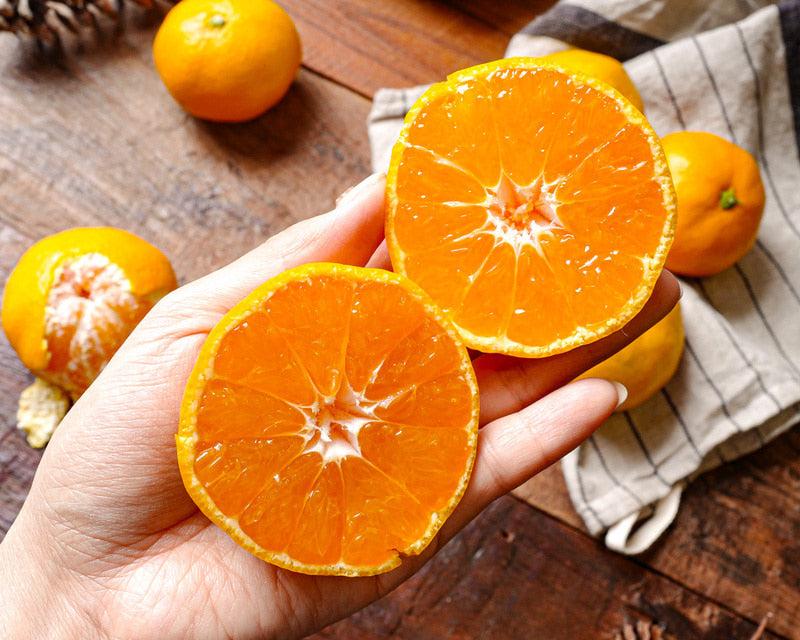
Gyeongju is gaining popularity in growing subtropical fruits adding tangerines and other varieties commonly grown in the southern regions since the early 2010s.
Tangerines are grown in greenhouses in Gyeongju, run by 24 farms across 9.5 hectares of land, two hectares more since last year.
Melon farming, which began at four Gyeongju farms in 2003, has expanded to 77 farms.
They are grown during the off-season for tomatoes, adding to the farmers’ annual profits.
Gyeongju’s city government and its farmers are now testing new “apple mango” farms, with the first harvest expected for 2024.
A leading region for tomato farming, Gyeongju is famous for its fertile land and ample sunlight.
Gyeongju is 371 kilometers southeast of Seoul.


Aviva First-Half Operating Profit Jumps 24% as Direct Line Deal Boosts Growth
Ferrari Luce EV Sells for Record $40 Million at Charity Auction
BofA Sees Micron EPS Topping $230 by 2030, Backs Major Stock Upside
Trump Imposes New Tariffs on Drone Imports Over US Security Concerns
Alphabet Eyes First Australian Dollar Bond as AI Spending Drives Funding Push
Nvidia’s $500 Billion AI Infrastructure Push Wins Morgan Stanley Support
China Automakers Accelerate Global Expansion as Domestic Car Sales Slump
Japan Economy Grows 1.1% in Q2 as Consumer Spending Stalls
Foreign U.S. Treasury Holdings Fall as Japan, UK and China Cut Positions
US Stock Futures Mixed as Fed Rate Hike Bets Fade, AI Deals in Focus
Malaysia Inflation Eases to 1.8% in July, Below Forecast
Stripe, Advent Reportedly Pursue $53 Billion PayPal Takeover
Goldman Sachs Eyes Investors for Nvidia’s $500 Billion AI Financing Plan
UK Wage Growth Holds at 3.5% as Unemployment Rises
Sun Pharma Wins U.S. Appeal in Pfizer Lipitor Antitrust Case
Wall Street Falls as Oil Prices Rise, Fed Minutes and Retail Earnings in Focus 


