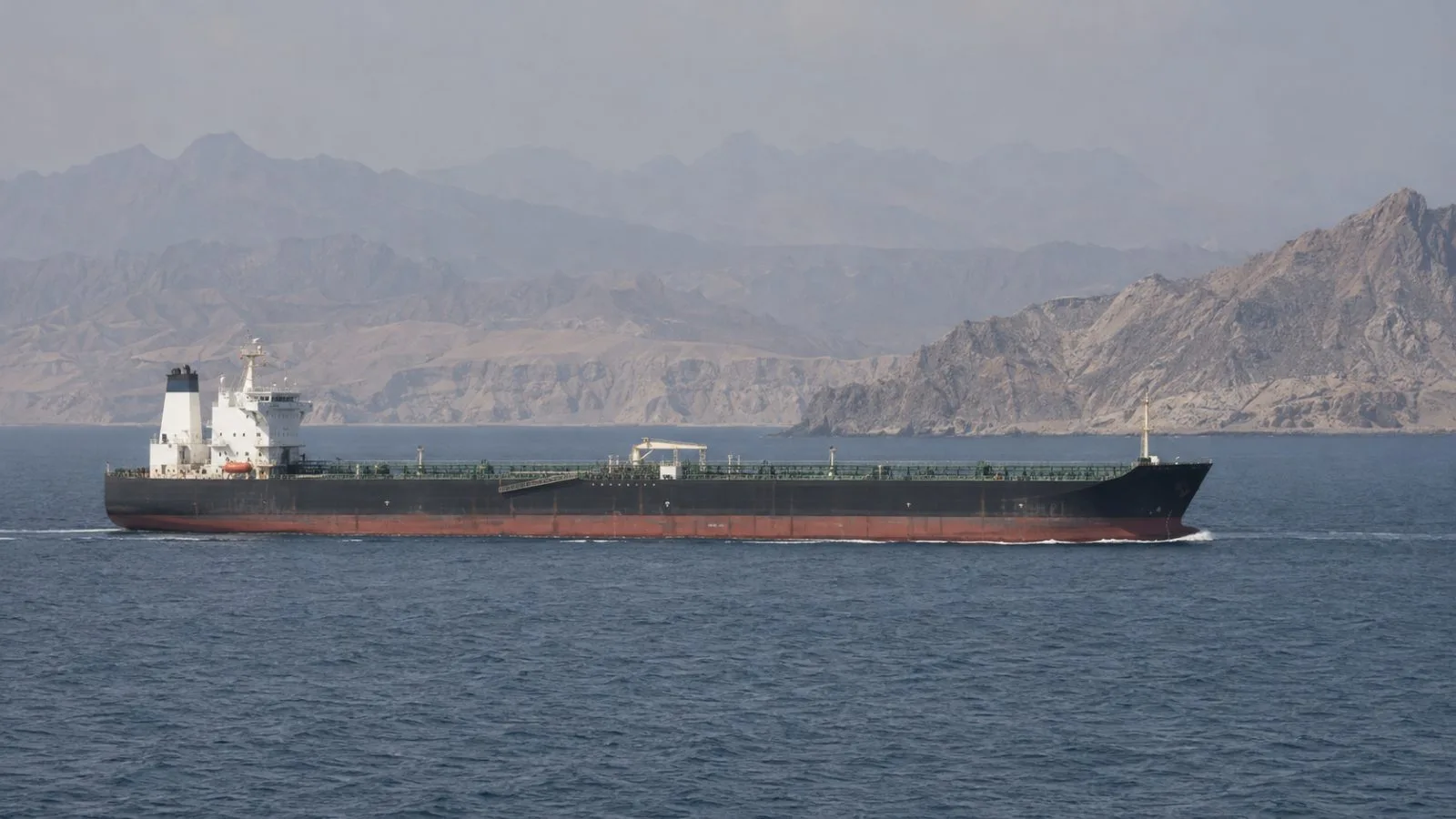
The U.S. dollar edged lower on Friday as global investors shifted toward riskier assets, encouraged by renewed diplomatic signals between the United States and Iran. This movement in the forex market reflects growing optimism that geopolitical tensions in the Middle East could ease, reducing demand for safe-haven currencies like the dollar. Despite the daily decline, the U.S. Dollar Index remained on track for a modest weekly gain, supported by lingering concerns around the strategically vital Strait of Hormuz.
Market sentiment improved after officials from both nations indicated a willingness to resume negotiations. Iran’s foreign minister confirmed regional visits aimed at strengthening coordination, while U.S. representatives are expected to engage in further discussions. This development follows a ceasefire extension in the region, adding to hopes of stability and influencing currency trading trends worldwide.
Meanwhile, domestic political developments also impacted the dollar. An investigation into the Federal Reserve’s building renovation project was dropped, potentially accelerating leadership changes at the central bank. Investors are closely watching these shifts, as expectations around future monetary policy—particularly interest rate direction—play a key role in currency valuation. Some analysts believe a leadership transition could bring a more accommodative stance, though opinions remain divided given past concerns about inflation.
Other major currencies showed mixed performance. The euro gained strength ahead of an upcoming European Central Bank decision, while the British pound rose after stronger-than-expected retail sales data signaled resilience in the UK economy. The Japanese yen also appreciated slightly, supported by rising inflation data, although expectations suggest the Bank of Japan may hold off on tightening policy.
Overall, the global currency market continues to respond to a blend of geopolitical developments, economic data, and central bank expectations. Traders remain focused on upcoming negotiations and policy decisions, as these factors will likely shape short-term forex trends and influence the direction of the U.S. dollar.