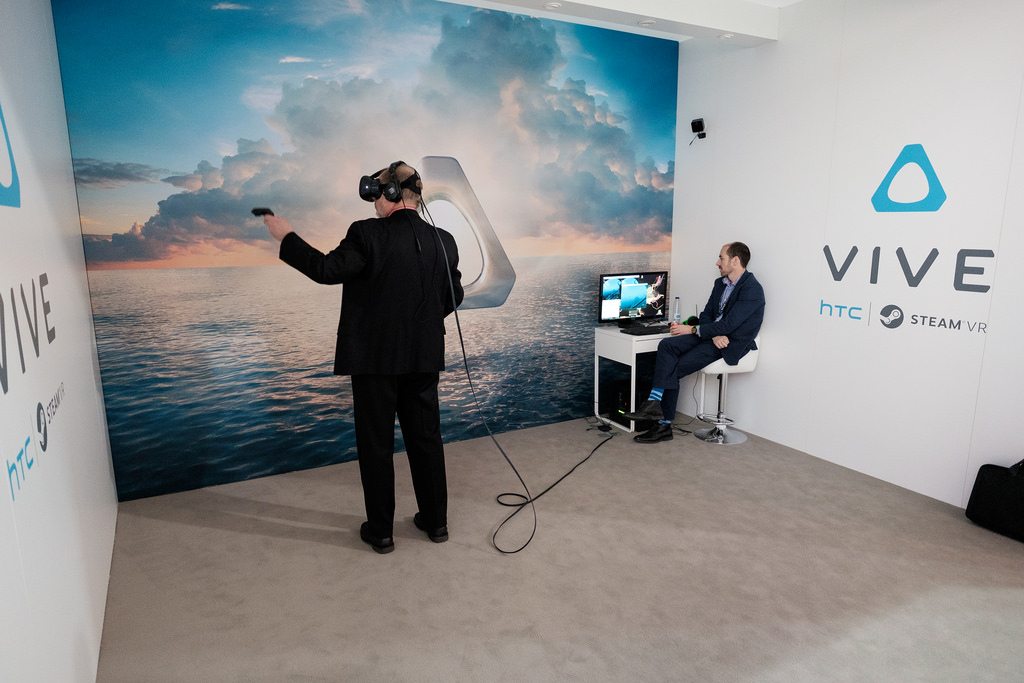
With HTC releasing the “Vive” VR headset, the company now plans on opening its own VR app store called “Viveport.” It’s also inviting developers to sign up fast and start creating their own apps, with plans on how they can make money already laid out.
With HTC partnering with Valve in order to increase awareness of “Vive” and improve sales, many assumed that sales for any apps and games for VR devices would be done through “Steam.” However, it would seem that HTC plans to bring in some competition by hosting its own app store, TechNewsToday reports.
In a blog post, HTC detailed their plans regarding the app store and what it could mean for users.
“Viveport will feature content across exciting, new categories for VR-like information, edutainment, social media, 360-degree video, news, sports, health, travel and shopping," the post read.
On the matter of competition, it would seem that “Viveport” will actually be focusing more on interactive learning aspects of the market instead of the game-centric niche that “Steam” has a significant monopoly over, The Verge reports. As such, it’s likely that the two stores won’t be colliding all that often, with only fringe products posing any threat to either party.
In any case, HTC is also inviting developers to start signing up and then develop their own apps to sell. These developers will then be paid through “pay-to-download apps, subscriptions and in-app purchases,” Design&Trend reports.
On the company’s part, it would seem that their cut will only be 30 percent of the profit, with the developers keeping 70 percent. Cher Wang, the CEO of HTC states that the company wants to make VR apps and technology in general a lot easier to access by the world at large.
“Our mission is to unleash human imagination from the limitations of reality, and Viveport will be an important cornerstone in democratizing access to the world’s most diverse selection of immersive experiences,” Wang said.