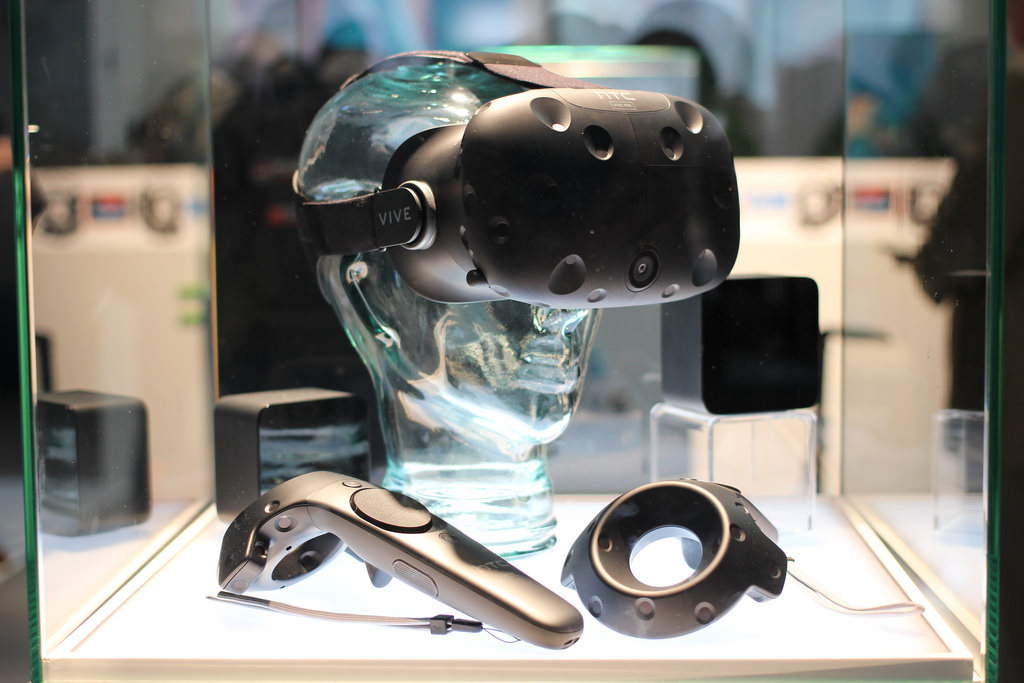
The HTC Vive, along with the Oculus Rift, are the premier choices in the market when it comes to high-end virtual reality experience. Whether it be gaming, watching movies, or just enjoying strolling through a VR theme park, the two devices are often at the top of anyone’s list. Now, HTC is introducing a peripheral that officially gives the Vive wireless capability, which is a huge deal for anyone who has been following the VR trend.
Ordinarily, users of the Vive would need an incredibly long, thick, and cumbersome cable hooked up to a computer in order to make it work, The Verge notes. This made it difficult to have a sense of freedom when using the headset because there’s always the chance to get tangled or trip over the wires, or get pulled back from being immersed in the virtual world once the user feels the tug of the cable.
By going wireless, HTC’s value to consumers has jumped significantly, which would increase even further if the device can function just as effectively without the wires. As it turns out, this is almost the case when the Vive is equipped with the peripheral called the TPCast.
The peripheral was developed by a startup internal team within HTC via the accelerator program called Vive X. The prototype unveiled during the 2017 Consumer Electronics Show reportedly performed almost as well as a wired headset would, with a few exceptions here and there. As one would expect, there are a few lags and perhaps a few frames that were skipped, but that can be put down to interference from such a huge crowd.
HTC plans to expand on this issue by partnering with Intel and providing developers with a wireless starter kit, PC World reports. According to the company, Vive is done being just a trendy item. Now, the development team will focus on expanding usage and the headset’s ecosystem.