


 Arthur Hayes Announces FLOP Testnet Launch Within Weeks
  Meta Launches Muse Wonder AI Models, Shares Rise 3.7%
  Albertsons Seeks $9.3 Billion From Kroger Over Failed Merger
  Coinbase CEO Backs SEC Accredited Investor Reform
  Oracle Uses Trucked Natural Gas to Power AI Data Centers Amid Pipeline Delays
  Apple Names Steve Smith M&A Chief in Leadership Shakeup
  Syndax Stock Drops 15% After Axatilimab Trial Failure
  Nvidia’s China AI Chip Market Share Falls to 34% as Huawei Gains Ground
  Samsung, SK Hynix Shares Fall as China's CXMT Advances DRAM Technology
  Epic Games Delays Disney Shooter, Shifts to AI-First Development
  Nasdaq Faces Pullback to 26,225 Despite Bullish Outlook, UBS Says
  Hong Kong’s Second Solana ETF Launches With Lower Fees
  Moonshot AI Executives Seek Settlement Ahead of Hong Kong IPO
  Amazon Cuts More Jobs as AI Investment Expands
  Yandex Data Center Hit by Drone Strike as Russia-Ukraine Cyber Infrastructure Attacks Escalate
  Trump Buys Up to $25M in Meta Stock, Invests in SpaceX Debt
  FAA Warns US Airlines Over Saudi Arabia Flight Risks


 Add as a preferred source on Google
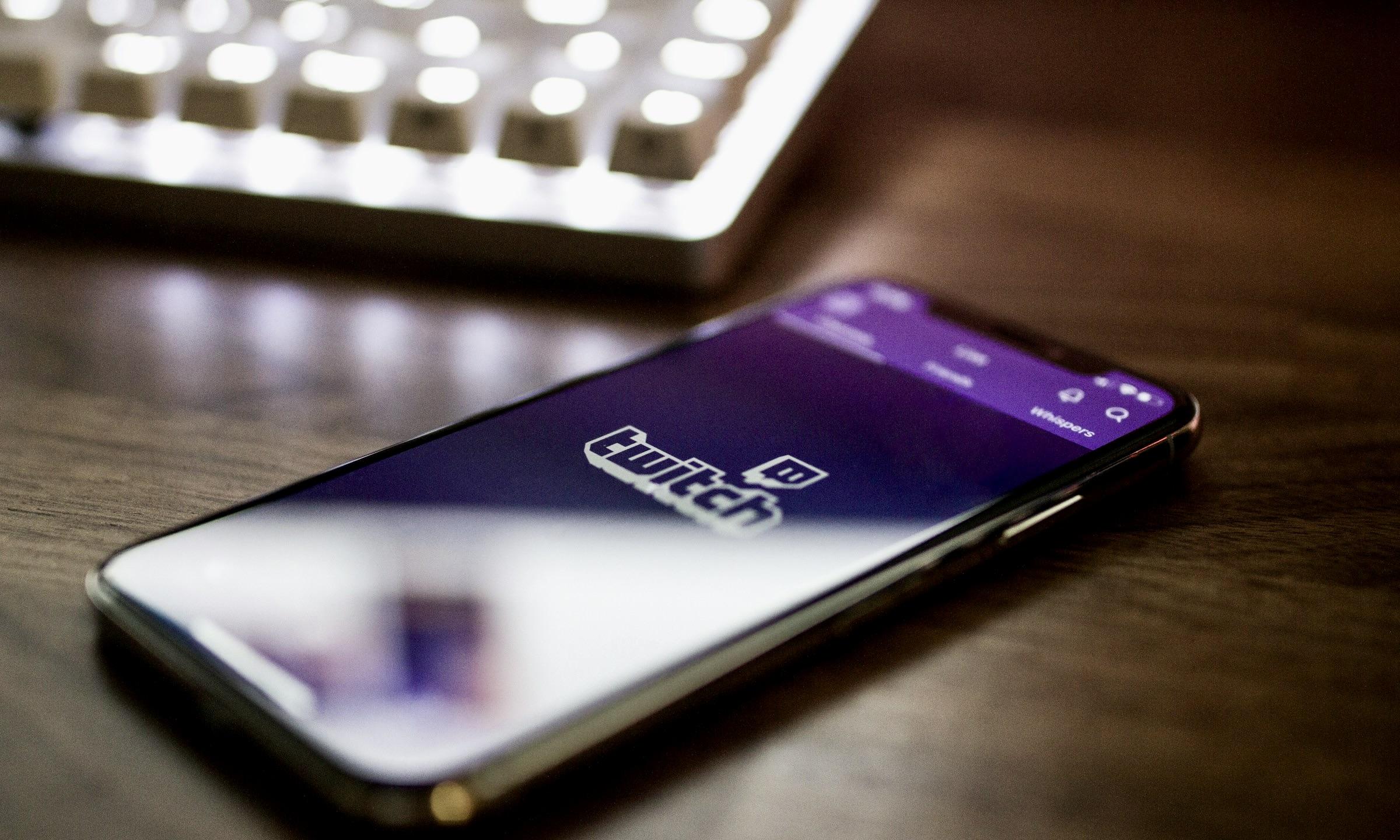
Twitch, a video live-streaming service focused on video game live-streaming, was discontinued in South Korea. It was a sudden exit; thus, users were confused as they scrambled to find new live-streaming platforms to migrate to.
Twitch shut down in Korea on Feb. 27, and Korean streamers immediately held virtual services while wearing black outfits and bowing to framed images of the Twitch logo. The term “Twitch Funeral” also trended on social media, as per Rest of World. Although this was just a joke, it shows that users were deeply affected by the pullout of the platform.
Cause of Twitch’s Departure
Twitch has 300,000 daily viewers in South Korea, and the top Korean streamers typically attract millions of followers. They continue to stream as they rely on the platform to earn money but are helpless now after Amazon withdrew from the platform.
In any case, it was reported that Twitch’s chief executive officer, Dan Clancy, pointed to the region’s high network fees as the main reason for their decision to end the service. He said that the cost of operating in the country had become “prohibitively expensive” since the regulations are also stringent aside from the fee.
Why Twitch’s Korea Operations are Expensive
According to The Verge, operating Twitch in South Korea is costly because of the tax on high bandwidth services. It has the “sender pays” rule implemented by the nation’s Ministry of Science and ICT in 2016. Under this order, companies are required to compensate the receiving networks for the traffic they send.
This rule is said to have been designed to tax heavy traffic senders such as YouTube and Netflix. The fees for live-streaming platforms like Twitch are exceptionally high because low latency is crucial for live content.
Photo by: Caspar Camille Rubin/Unsplash







