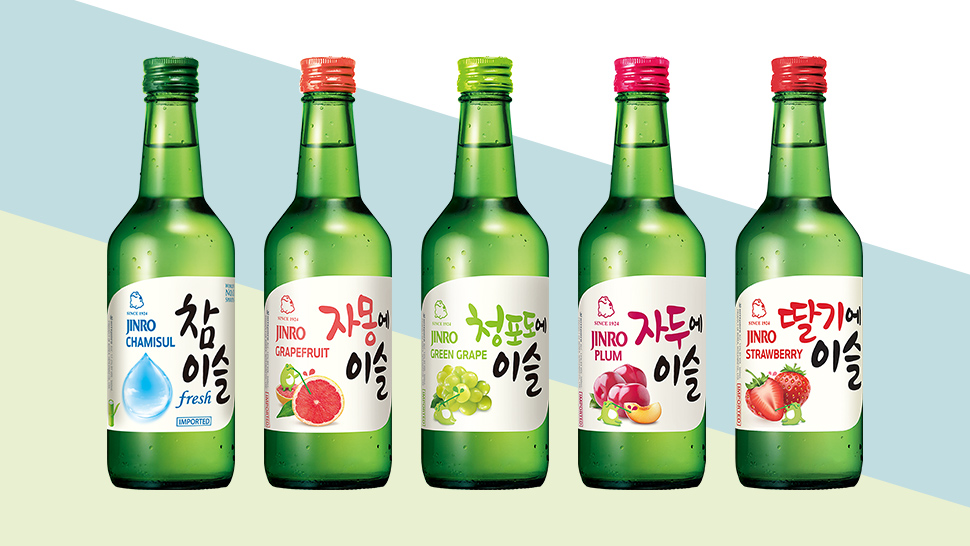
Hitejinro, Korea's leading beverage company, announced on Monday that it will reduce the factory price of its popular soju products by 10.6% starting in January. This decision comes from the government's tax benefits, aiming to ensure fair competition with multinational companies in the domestic market.
Price Reduction and Tax Incentives
Korea Times reported that effective January 1st, Hitejinro will offer its wholesale clients the Chamisul and Jinro soju products at a reduced price of 1,115 won ($0.86) per bottle, down from the current 1,247 won. The company's spokesperson explained that this price cut is made possible by a tax discount of 22% on Hitejinro's soju manufacturing costs provided by tax authorities, as per Korea Post English. Unlike multinational firms, domestic players face taxes on both their manufacturing and earnings, resulting in a need for tax benefits.
The government's approach aims to create a level playing field in the fierce competition local beverage companies face. Previously, multinational companies were only taxed on the import costs of their beverage products, while domestic players faced additional taxes. This discrepancy prompted the tax authorities to offer tax discounts on soju manufacturing costs.
Last month, Hitejinro raised the prices of its soju and beer by approximately 7%, reflecting an increase in raw material and manufacturing costs. Soju, a distilled liquor consisting of ethyl alcohol, water, and sweeteners, is Hitejinro's flagship product, accounting for 80% of exports and 65% of the domestic market share.
Following Hitejinro's lead, Lotte Chilsung Beverage, the country's second-largest soju maker, also plans to adjust its soju product prices to reflect the discounted taxes. A spokesperson from Lotte Chilsung mentioned that with the tax discounts in effect, adjustments will be made to their product prices in the near future.
Hitejinro's Dominance and Export
Hitejinro produces 100% of its soju products domestically and earns 10% of its sales revenue from exporting soju, "makgeolli" (Korean rice wine), and other liquors. The company's flagship Jinro brand is well-known worldwide for its high-quality soju, while Chamisul and Jinro dominate the domestic market. Additionally, Hitejinro's beer, sold under the Hite and Terra brands, enjoys global popularity.
Hitejinro holds a dominant position in the 3.5 trillion-won domestic soju market, accounting for 65% of the market share. Lotte Chilsung, a unit of the renowned Lotte Group, follows closely with 20%, while other companies make up the remaining percentage. The price adjustments by these major players will likely impact market dynamics and intensify competition.