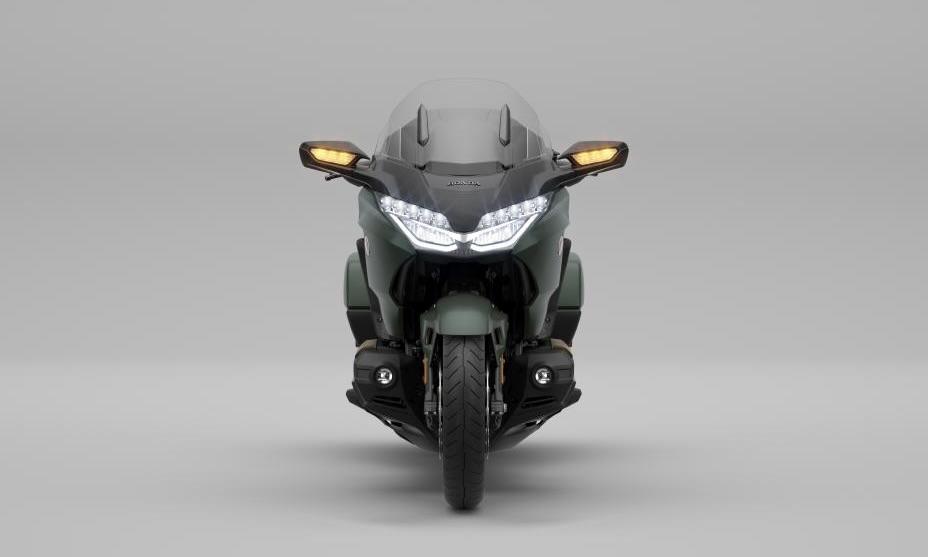
New patents have revealed that Honda is developing a new airbag system for its motorcycles, aiming to match the advanced systems used in cars. The introduction of airbags in the last decade and a half has significantly revolutionized motorcycle safety, and Honda appears poised to elevate this technology to the next level.
Evolution of Motorcycle Airbag Technology
Airbags first debuted in MotoGP in the late 2010s in the gear of Alpinestars-sponsored riders. Since then, they have progressively become integral to enhancing motorcycle safety. According to Visor Down, Alpinestars and Dainese have been at the forefront of offering airbags that can be incorporated into various protective gear brands, marking a significant milestone in motorcycle safety measures.
Cycle World reported that Honda's latest innovation proposes a system that directly integrates airbags into the motorcycle rather than solely relying on the rider's gear. This development entails a sophisticated mechanism designed to deploy airbags from the bike in the event of a collision. The aim is to provide an additional layer of protection, significantly reducing the risk of injury to riders by cushioning the impact.
This groundbreaking approach could redefine safety standards in the motorcycle industry, offering riders increased security and peace of mind. Honda's commitment to safety innovation demonstrates their dedication not just to the advancement of motorcycle technology but to the well-being of their customers.
Potential Impact on the Motorcycle Industry and Rider Safety
Continuing this trajectory of innovation, integrating such airbag systems into motorcycles heralds a new era in rider safety. Honda's initiative could potentially trigger a domino effect, inspiring other manufacturers to incorporate similar safety technologies. Beyond the immediate benefits of reducing rider injuries, this advancement may also influence insurance costs and regulations, acknowledging the lower risk associated with better-protected riders.
Therefore, the future of motorcycle safety rests not only in mechanical and engineering advancements but also in the industry's ability to adapt and adopt new safety standards. Honda's pioneering efforts could set a new benchmark, encouraging a holistic approach to rider safety that transcends traditional protective gear.
Photo: Honda Newsroom