There are 75.4 million millennials in the US. They are the largest generational group in the nation and their number is projected to peak at around 81.1 million in 2036. By 2018 their spending is projected to reach $3.39 trillion. So, the fact that just 20% of them have tried a Big Mac is a significant cause for concern to McDonald’s. Initially, the company’s response was to alter their menus to offer healthier and more exotic fare; it also made their food more expensive. Millennials might say they prioritise ‘wellness’ but they have limited cash and busy lifestyles, which mean they snack and eat on the go. The influence of Supersize Me was profound but in the past thirty-five years, obesity in millennials has tripled, from 8% to 24%.
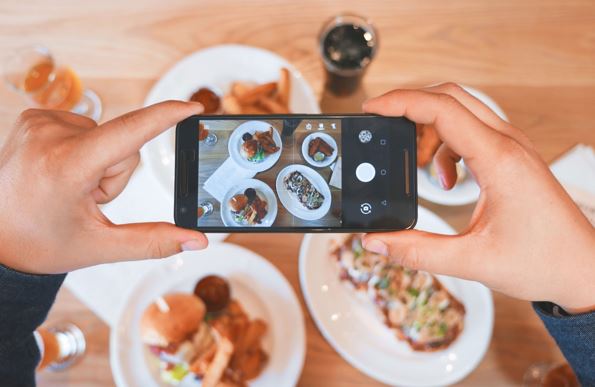
McDonald’s were quick to realise that the problem was not the food but the image: no one was putting their visit to McDonald’s on Instagram. McDonald’s response has been to develop a long-term strategy designed to affect a total grass roots rebuild. They have developed sponsored content on Mic.com, with a series called Ripple Effect. These food related articles are intended to reposition McDonald’s as a ‘thought leader’. The need to win hearts and minds is a lesson that’s not been lost on other fast food companies. Taco Bell, according to some research, the fifth favourite fast food restaurant with young consumers, is particularly aware of the need to try and understand the millennial mindset. The quest for hip has led them to offer the option of getting married at one of the Vegas outlets and the use of a Canadian fashion designer to create a Taco-Bell inspired winter coat. Taco-Bell even pursues its millennials as they globe trot: your experience of Taco-Bell in India will not be the same as it is in the US, it will be familiar but different.
If there’s one thing millennials love, it’s an app. It’s fast, it’s convenient and it’s right there next to your Facebook icon. Back in 2008 hungryhouse were a moderately successful fast food delivery service with a website and a network of 500 restaurants, today they are part of a network of 33,000 restaurants delivering across 12 countries. What hungryhouse understood is that millennials are the smartphone generation and if you are on their phone you are part of their world. Subway’s unique selling point was the making of sandwiches, from scratch, in front of the customer, a model which enabled customisation on a mass scale. Their research, however, revealed that 60% of their customers didn’t know what they wanted to order for lunch an hour before lunchtime and that 44% of them used their smartphone to decide. The solution was obviously to follow hungryhouse’s lead and provide an app, thus cutting down the waiting time for a one-off sandwich and enabling Subway to deploy loyalty programs.
As far as fast food companies are concerned, it seems that attracting millennials is less about large quantities of kale and more about your presence on their smartphone.