


 JD Vance Questions Pentagon Plan to Livestream Fort Hood Shooter’s Execution
  Pakistan Declares Emergency in Khyber Pakhtunkhwa, Suspends Imran Khan’s PTI Government
  Trump Sanctions International Criminal Court, Sparking EU Backlash
  Trump Secures Russian Diesel Deal as US Fuel Prices Surge
  UK Finance Minister Healey Calls for Fiscal Discipline Amid Global Risks
  Zelenskiy Slams US-Russia Diesel Deal as Funding War
  Trump Calls for Zelenskyy Replacement Amid Russian Diesel Deal
  Trump Announces Russia-Ukraine Energy Ceasefire Amid U.S. Pressure on Kyiv
  Russian Strikes Kill Six in Ukraine, Including Three in Kharkiv
  North Korea Fires Ballistic Missiles as Tensions With South Korea Escalate
  Houthis Warn Saudi Airports After Deadly Riyadh Attack
  Zelenskiy Slams US Over Deadly Russian Strikes on Ukraine
  RFK Jr. Launches Nationwide Vaccine Safety Review
  Venezuela’s Machado Calls for Elections by July 2027
  European Auto Stocks Rise as EU-China Trade Deal Targets Hybrid Imports


 Add as a preferred source on Google
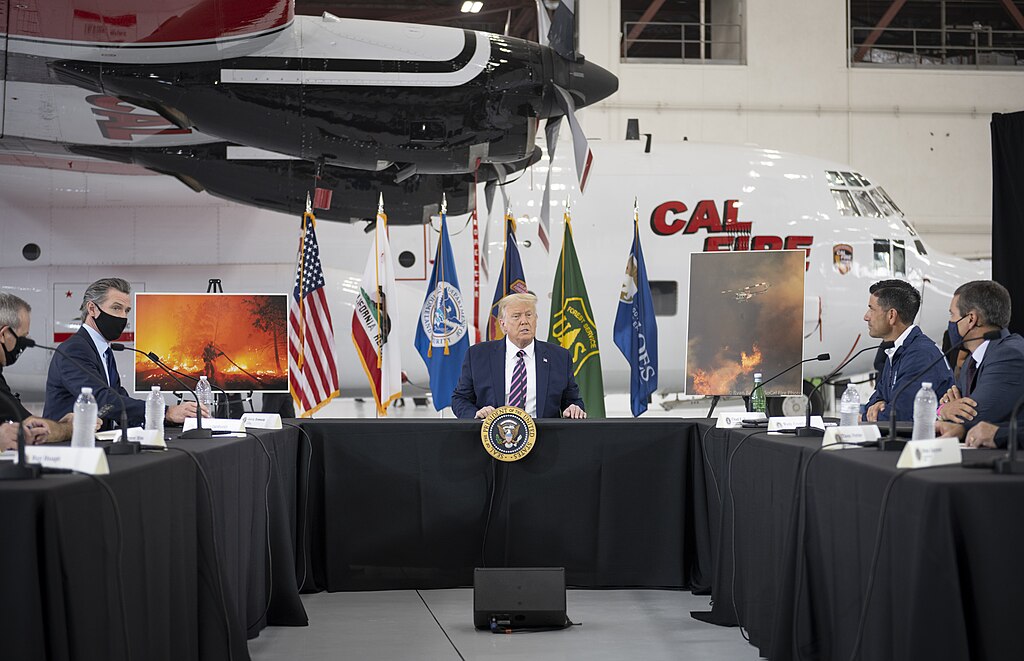
President-elect Donald Trump has announced plans to enhance accessibility for disabled Americans in 2025, signaling a shift toward more inclusive policies. The initiative, unveiled during a recent campaign address, focuses on improving public infrastructure, expanding workplace accommodations, and increasing funding for disability programs.
The proposed strategy includes modernizing transportation systems, mandating accessibility upgrades in housing projects, and incentivizing private companies to adopt inclusive practices. Trump’s administration also plans to strengthen enforcement of the Americans with Disabilities Act (ADA), ensuring compliance across public and private sectors.
“Our administration is committed to breaking down barriers,” a Trump spokesperson said. However, advocacy groups remain cautious, citing concerns over the effectiveness and scope of the proposed measures.
Key Pillars of Trump’s Accessibility Agenda
Modernizing Infrastructure for Inclusivity
Trump’s plan emphasizes making public spaces more accessible, including upgrading sidewalks, public transit, and airports to meet ADA standards. Proposed funding would support local governments in retrofitting infrastructure, focusing on rural areas often overlooked in accessibility improvements.
Expanding Employment Opportunities
Another cornerstone of the initiative is workplace accessibility. Trump aims to offer tax credits to businesses that adopt inclusive hiring practices and invest in assistive technologies. The plan also includes funding for job training programs tailored to individuals with disabilities.
Social Media Reactions Show Polarized Opinions
Trump’s announcement has sparked a mix of enthusiasm and skepticism across social media platforms. Advocates for disability rights applauded the focus on inclusion, while critics questioned the plan’s execution:
- @AccessForAll: “Finally, a leader who’s prioritizing accessibility! This could be a game-changer for millions of Americans.”
- @SkepticalCitizen: “Trump’s promises sound great, but where’s the detailed plan? Words without action mean nothing.”
- @InclusiveWorkplace: “Tax credits for hiring people with disabilities? About time! Let’s see businesses step up.”
- @PolicyWatcher: “Modernizing infrastructure is crucial, but rural areas often get left behind. Will this plan reach them?”
- @AdvocacyNow: “Great ideas, but enforcement has always been the weak link. Will the ADA finally have teeth?”
- @ConcernedVoter: “Trump didn’t prioritize disability rights last term. What’s different this time?”







