


 UN Urges Talks on Lebanon Peacekeeping Mission Extension
  China Resumes US Soybean Purchases After Trump-Xi Summit
  Elon Musk Donates $366 Million to 2026 US Midterms
  US Senate Midterms 2026: Key Races That Could Flip Control
  Trump Denies China, Russia Are Helping Iran in War
  Gaza Olive Harvest Collapses as War Destroys Farmland
  Zelenskiy Seeks New US Talks to Revive Ukraine-Russia Peace Negotiations
  IMF Warns US Debt Crisis Needs Fiscal Action, Urges China to Boost Consumption
  Jordan Bardella Antisemitism Allegations Threaten Le Pen’s Campaign
  FBI Denies Report of Kash Patel’s Russia Visit
  Trump Confirms US Intelligence Sharing With Ukraine Amid Russian Strikes
  Kim Jong Un Showcases ICBM Ahead of Possible Trump Meeting
  MI5 Warns of Rising Iran, Russia Threats and AI Bioweapon Risks
  Trump Warns Houthis Over Attacks, Considers Erdogan Intervention
  US Condemns China Sanctions on Taiwan Allies Belize and Paraguay
  US Justice Department Drops Prosecution of Ex-CIA Analyst Sue Mi Terry
  US Supreme Court Denies Release of Anti-ICE Activist Kyle Wagner


 Add as a preferred source on Google
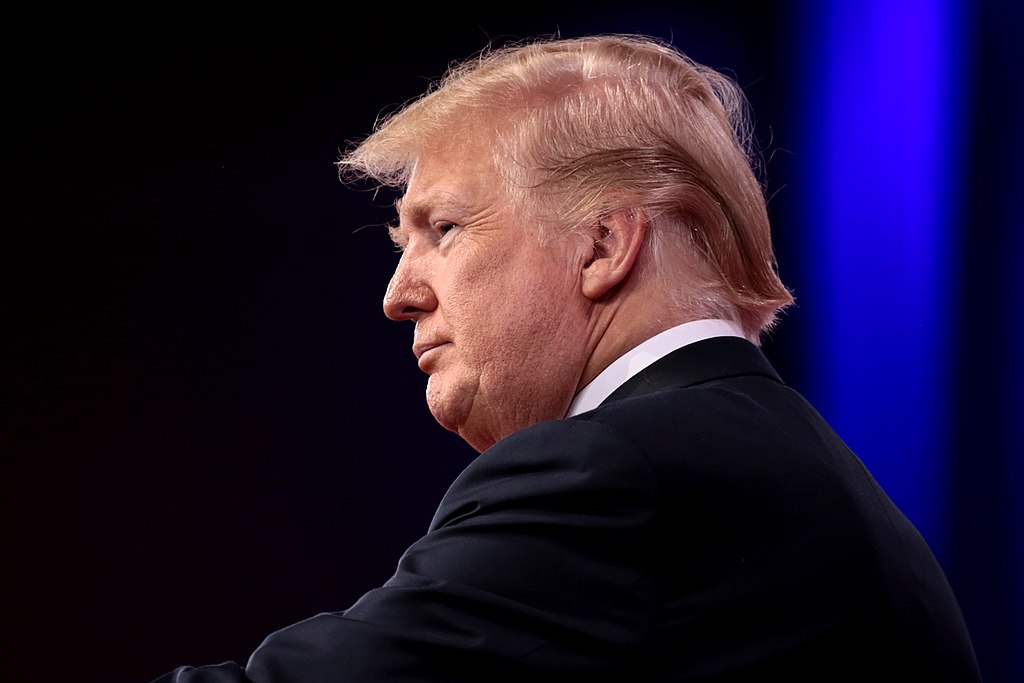
President Donald Trump has unveiled a bold strategy to counter cybersecurity threats from Russia in 2025. Amid escalating concerns over state-sponsored cyberattacks, his administration aims to bolster U.S. cyber defenses, enhance international cooperation, and hold foreign adversaries accountable.
Strengthening Cyber Defense Systems
A cornerstone of Trump’s cybersecurity strategy is modernizing America’s digital infrastructure. His administration has committed to significant investments in advanced cyber technologies, focusing on artificial intelligence and machine learning to detect and neutralize threats in real-time. The Department of Homeland Security (DHS) will oversee the creation of a centralized Cyber Command Center to coordinate responses to potential breaches.
Additionally, the administration has introduced stricter cybersecurity requirements for critical infrastructure sectors, including energy, finance, and healthcare. These measures aim to prevent the kind of large-scale attacks that previously disrupted pipelines and hospital systems.
Critics, however, question whether these efforts are enough to combat sophisticated actors like Russia. Cybersecurity experts warn that while improving defense systems is crucial, offensive measures may also be necessary to deter future attacks.
Targeting Russian Cyber Operations
Trump’s policy also focuses on addressing the root of the issue: state-sponsored cybercrime. The administration has announced new sanctions against individuals and organizations linked to Russian cyberattacks. These penalties target assets, travel rights, and international dealings of those accused of undermining U.S. cybersecurity.
Furthermore, Trump has called for an international coalition to combat cybercrime, urging NATO allies to collaborate on intelligence-sharing and joint countermeasures. His administration has also pledged to ramp up cyber investigations, working closely with the FBI and NSA to trace the origins of attacks.
While some applaud these measures, others argue that sanctions alone are insufficient. Critics emphasize the need for diplomatic negotiations to address tensions and reduce the risk of cyber warfare escalating into broader conflicts.
Public Reactions: Praise, Concerns, and Skepticism
Trump’s cybersecurity strategy has sparked significant debate on social media. Reactions vary widely, highlighting the polarized nature of the discussion:
- @CyberWarrior2025: “Finally, a president taking Russian cyber threats seriously. Let’s see if this plan actually works!”
- @PrivacyGuardUSA: “More sanctions? Russia doesn’t care. We need offensive cyber capabilities to hit them where it hurts.”
- @TechInsiderBuzz: “A centralized Cyber Command is a great idea, but will it have the funding it needs?”
- @WorldPeaceNow: “Cyberattacks won’t stop until global diplomacy improves. Sanctions and tech won’t fix everything.”
- @DataDefenseFan: “AI-driven cybersecurity is the future. Glad to see the U.S. investing in cutting-edge solutions.”
- @CriticAlert: “Trump’s plan is full of promises, but where’s the accountability? Show us the results.”







