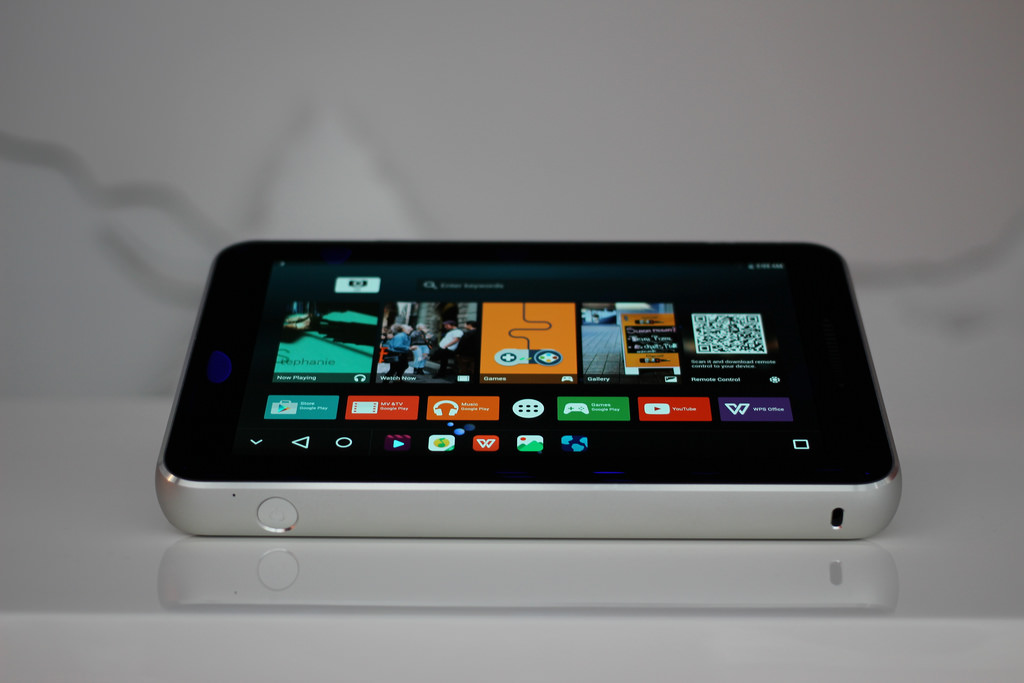
People like to buy cheap and this applies to smartphones, as well. However, recent findings by the security research firm Avast Threat Labs revealed that hundreds of cheap smartphone models actually come with malware pre-installed. These are basically the smartphones that are made by manufacturers that have not been approved by Google.
It’s worth pointing out that companies often have to submit Android devices to Google to approve them for sale to customers. However, several units that were made by manufacturers that include ZTE, myPhone, and Archos appear to have adware built into them, Engadget reports.
Customers who buy these smartphones will be regularly besieged with pop-ups that they will constantly need to close in order to use their phones. What’s more, since the adware has been built into the devices by the manufacturers, they have proven to be incredibly difficult to remove.
To the average person, the only thing they can do is bring the phones to a technician who will then attempt to remove the adware, but even then the results are not guaranteed. The best course of action is simply to buy another phone.
According to the report by the researchers, this particular adware has apparently been a menace for over three years. First noticed in 2016, the adware has since been called “Cosiloon” and according to the security firm, at least 18,000 devices of its clients have been infected.
To be clear on why this particular malware is so difficult to get rid of, it’s due to how often it has evolved over the years. Right now, it has been found to have two variants.
One is found in the system partition and the other apparently embedded in the essential functions of the Android OS. In any case, a complete fix is currently non-existent, save from simply throwing the phone away.