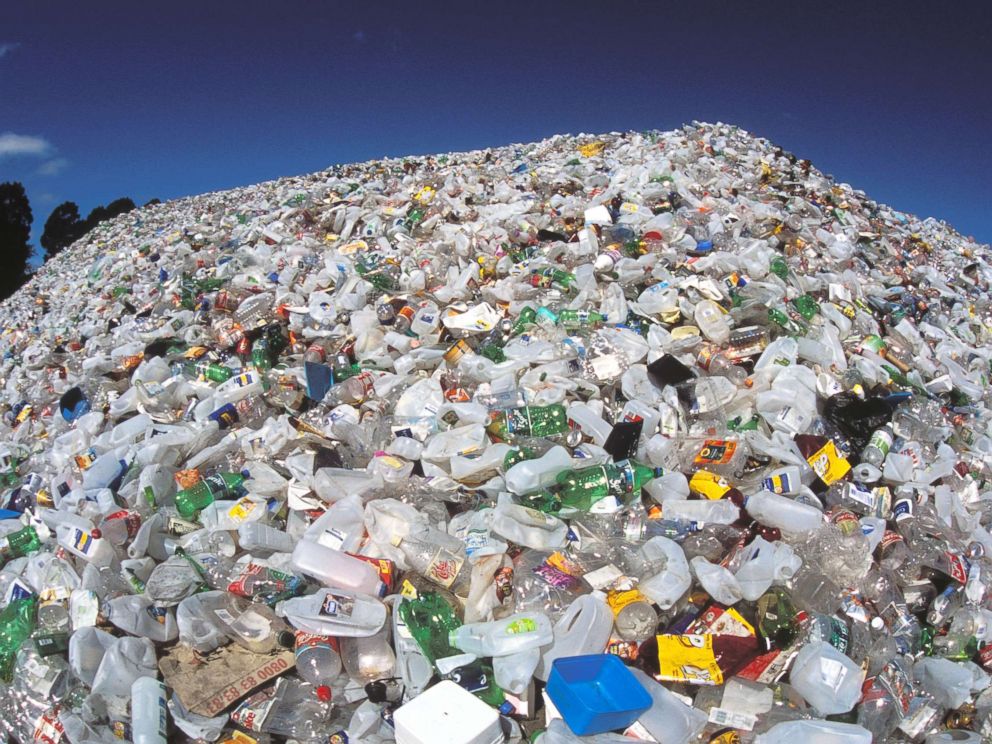
Hyundai Engineering Co. will build a 400 billion won plant in Dangjin that uses plastic wastes in producing high-purity clean hydrogen.
The plant will process 100,000 tons of plastic wastes annually to produce 22,000 tons of high-purity clean hydrogen through pyrolysis and gasification.
The hydrogen produced will be used as a raw material for hydrogen-electric vehicles, hydrogen-LNG co-firing power generation, hydrogen fuel cell power generation.
The plant is part of efforts to diversify its business towards eco-friendly energy production.
The company, a plant engineering affiliate of Hyundai Motor Group, expects to break ground in the first half of next year.
Full-scale commercial production is expected to begin in 2024.
Hyundai Engineering will collect and use most of the carbon dioxide generated during the process through a Metal-CO2 system that is now being tested at Hyundai Steel Co.’s Incheon plant.



Trump Threatens 50% Tariff on Canadian Aircraft Amid Escalating U.S.-Canada Trade Dispute
NASA Cuts Boeing Starliner Missions as SpaceX Pulls Ahead
US Judge Rejects $2.36B Penalty Bid Against Google in Privacy Data Case
Trump Administration to Launch Autism Initiatives Targeting Acetaminophen Use and New Treatment Options
Indonesia Stocks Face Fragile Sentiment After MSCI Warning and Market Rout
Indonesian Stocks Plunge as MSCI Downgrade Risk Sparks Investor Exodus
GesiaPlatform Launches Carbon-Neutral Lifestyle App ‘Net Zero Heroes’
Neuralink Plans High-Volume Brain Implant Production and Fully Automated Surgery by 2026
U.S. Dollar Slides for Second Week as Tariff Threats and Iran Tensions Shake Markets
Why Trump’s new pick for Fed chair hit gold and silver markets – for good reasons
SpaceX Reports $8 Billion Profit as IPO Plans and Starlink Growth Fuel Valuation Buzz
Apple Forecasts Strong Revenue Growth as iPhone Demand Surges in China and India
OpenAI Reportedly Eyes Late-2026 IPO Amid Rising Competition and Massive Funding Needs
Dollar Struggles as Policy Uncertainty Weighs on Markets Despite Official Support
An unexpected anomaly was found in the Pacific Ocean – and it could be a global time marker 


