


 S&P 500 Futures Rise Ahead of US Inflation Data and Bank Earnings
  Canton Network Expands Wall Street Reach With Ripple Integration
  IMF Maintains 2027 Global Growth Forecast at 3.4% Amid Rising Risks
  Wall Street Closes Lower as Bank Earnings and AI Concerns Weigh
  New York Times, AFP Join Coalition to Protect Content From AI
  Most Americans Oppose Election Betting on Prediction Markets, Poll Finds
  Fed’s Williams Sees One More Rate Hike in 2026, None in 2027
  Binance to Shut Down Crypto Mining Pool Services on November 10
  China Resumes US Soybean Purchases After Trump-Xi Summit
  Kalshi Seeks Sixth Circuit Review of Sports Betting Ruling
  China Bank Lending Rebounds in September, Beats Forecasts
  Samsung, SK Hynix Shares Plunge as China Chip Competition Grows
  Trezor Cuts Reseller Network After Ledger Security Breach
  Wall Street Ends Mixed as Investors Await CPI and Bank Earnings
  Trump Defends Russian Diesel Deal Amid US Sanctions Backlash
  Oil Prices Mixed as Russia Diesel Deal and Houthi Attacks Raise Supply Concerns


 Add as a preferred source on Google
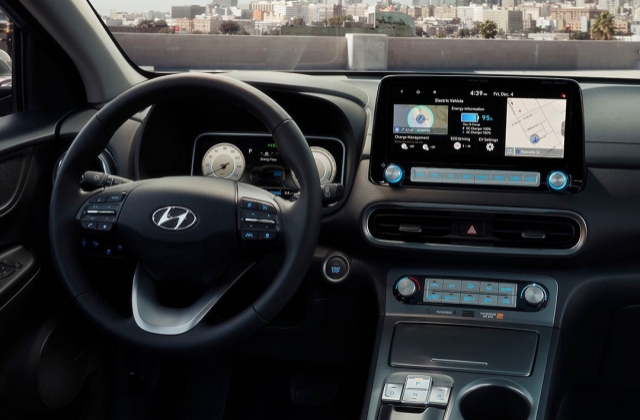
Hyundai Motors revealed this week that it was forced to suspend the operations of its plant in South Korea. The automaker has been mulling on halting its local production since last month, and it appears that the company could no longer ignore the chip shortage.
As per The Korea Herald, the temporary closing of Hyundai Motor’s production plant actually raised a warning not just for the company but for its subcontractors and workers too. This is because the suspension means there will be no work for a given period.
The affected Hyundai factory and vehicle units
Hyundai will temporarily stop the operation in Ulsan, it's no. 1 plant in the country. It was announced that due to chip shortage and lack of other parts, the factory would be closed from April 7 to April 14.
Although it is only a week, Hyundai is set to lose a lot because it will not be able to make vehicles, and this will delay the delivery of the orders. Based on the report, the automaker estimated that it is set to lose 6,500 units of Ioniq 5 and 6,000 units of Kona SUVs.
Moreover, Ioniq 5 was only launched in Europe via a virtual world premiere, and the company received 3,000 pre-orders for it. Locally, in S. Korea, on the first day of its launch in February, it already garnered a total of 24,000 pre-orders. With this number of orders that must be fulfilled, the shutdown of the factory in Ulsan clearly poses a big problem.
Possible additional factory closures
Business Korea further reported that the Ulsan plant might not be the only factory that is facing a temporary closure. The outlet mentioned that a series of halts in Hyundai is likely to follow. In fact, it is thinking of shutting its plant in Asan too. The Sonata and Grandeur cars are being manufactured here.
Aside from Hyundai, other major automakers in S. Korea are also affected by the parts and chip shortage that also led to the shut down of their production facilities. It was said that almost half of the vehicle companies in the country say they were forced to cut down their production because there is not enough chip and fear that the issue with supply will last throughout the year.
This is why some industry experts and observers are urging the government to support the chipmakers in the country so they will no longer depend on foreign suppliers.
“We should note that the US is moving towards building semiconductor production facilities on its own soil,” Korea Semiconductor Industry Association director, Ahn Ki Hyun, said. “Korea should make efforts to lower its import dependency by creating its own nonmemory semiconductor ecosystem here.”







