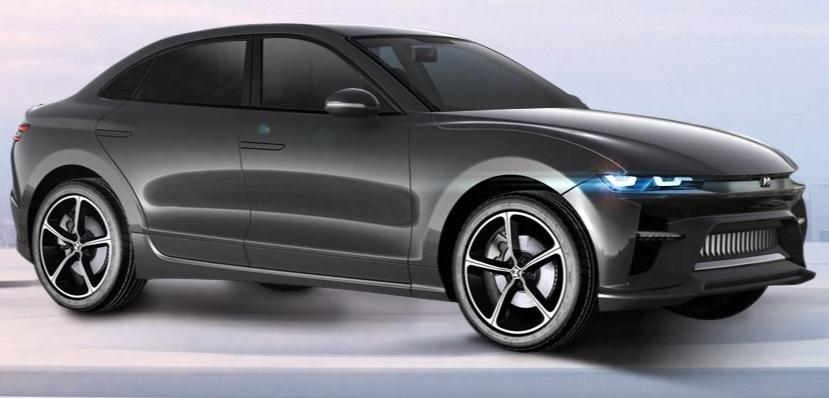
Hyundai Steel Co. had developed a premium 1.5GPa martensitic (MS) steel plate for eco-friendly vehicles, which has a higher crack resistance than any other in the same product category.
South Korea’s No. 2 steelmaker noted that with such strengths, it can be used for various applications, including battery cases for EVs, bumpers, and roof side reinforcements.
The 1.5GPa MS steel plate manufacturing requires a rapid cooling process to secure high strength, but it cracks easily due to hydrogen penetration, thereby limiting commercial use for vehicles.
To overcome such limits, Hyundai Steel developed a string of new technologies to replace rapid cooling and minimize hydrogen penetration while optimizing the mixture of alloying elements.
The developments allowed Hyundai Steel to maintain steel plate strength at 1.5GPa while achieving a flatness of 3 millimeters or less.

Neuren Pharmaceuticals Surges on U.S. Patent Win for Rare Disorder Drug
Is space worth the cost? Accounting experts say its value can’t be found in spreadsheets
Tabletop particle accelerator could transform medicine and materials science
Canada's Economy Grows Modestly in January 2025, Driven by Energy and Construction
Oil Prices Surge to Record Monthly Highs as Middle East War Rattles Global Markets
FDA Lifts REMS Requirement for CAR-T Cell Cancer Therapies
SpaceX Prioritizes Moon Mission Before Mars as Starship Development Accelerates
Eli Lilly’s Inluriyo Gains FDA Approval for Advanced Breast Cancer Treatment
South Korea's Exports Hit Record High in March on AI-Driven Chip Demand
Oil Prices Climb as Middle East Conflict Keeps Supply Risks Elevated
Senate Sets December 8 Vote on Trump’s NASA Nominee Jared Isaacman
Gold Prices Rebound in Asia Amid Iran War Ceasefire Hopes
U.S. Trade Rep Dismisses WTO's Future Role After Failed Cameroon Summit
Goldman Sachs Sees Value in European Real Estate Stocks Despite Sharp Selloff
Asian Stocks Surge on Trump's Iran War Comments and Dip-Buying 


