


 Moderna Short Sellers Hit With $4.8 Billion Loss as Stock Soars
  Trump Signs Executive Order to Boost AI Research in Childhood Cancer
  FDA Weighs Safety Standards for Psychedelic Therapies
  SpaceX Delays Starship V3 Launch Ahead of Potential Record IPO
  AstraZeneca, Bristol Myers Squibb Explore Mega Merger Worth Nearly $400 Billion
  Trump Signs Order to Cut Routine Childhood Vaccines
  NASA and Roscosmos Chiefs Meet in Florida to Discuss Moon and ISS Cooperation
  Eli Lilly Eyes AtaiBeckley Acquisition to Expand Psychedelic Mental Health Pipeline
  Tabletop particle accelerator could transform medicine and materials science
  SpaceX’s Starship Completes 11th Test Flight, Paving Way for Moon and Mars Missions
  Cogent Biosciences Soars 120% on Breakthrough Phase 3 Results for Bezuclastinib in GIST Treatment
  Trump Administration Bars U.S. Travelers From Congo Flights Amid Ebola Outbreak
  Novo Nordisk Strikes €1.17 Billion Nanexa Drug Delivery Deal
  US-Backed Pediatric HIV Treatment Drops After Foreign Aid Changes, Study Finds
  Venezuela Earthquake Health Risks Rise as Disease Monitoring Intensifies
  U.S. Issues Cuba Health Alert as Illnesses Rise


 Add as a preferred source on Google
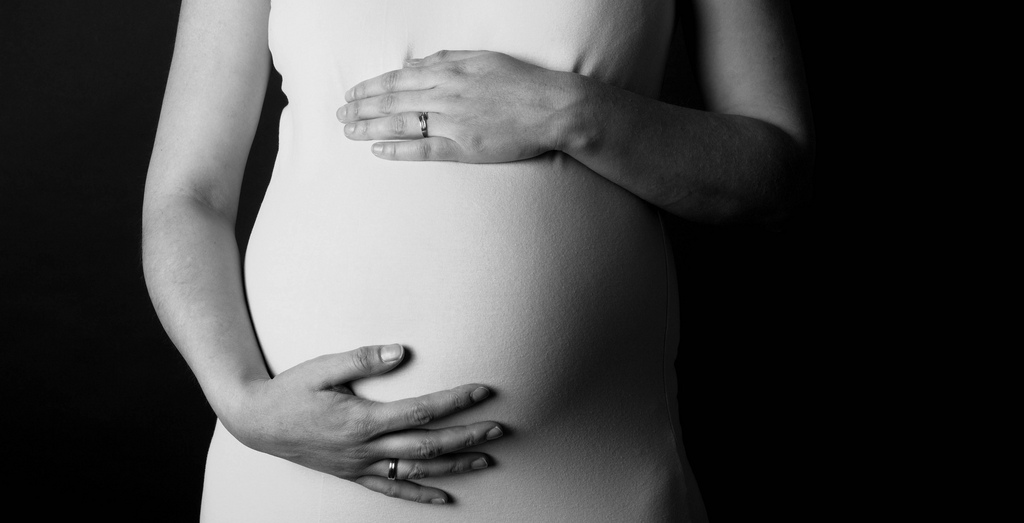
The immune system of pregnant women fluctuate throughout the course of the nine months carrying the child or children, this is an established fact. However, the sex of the baby as the factor has always been more of conjecture than anything else. A new study states that this isn’t the case at all and that the sex of the baby does determine the immunity of the mother.
During pregnancy, it’s normal for women to experience several changes that affect their mood, their physical attributes, and their habits. This is only to be expected since the fluctuating hormones are causing havoc in their systems. As far as their immunity goes, Ohio State University Wexner Medical Center researchers recently discovered that women carrying female fetuses tend to be more prone to inflammation, MedicalXpress reports.
According to Amanda Mitchell, one of the researchers behind the study, their research involved looking into the cases of 80 pregnant women. The tests involved measuring the levels of cytokine in their blood as well as their immune cells.
"While women didn't exhibit differences in blood cytokine levels based on fetal sex, we did find that the immune cells of women carrying female fetuses produced more pro-inflammatory cytokines when exposed to bacteria,” Mitchell said. “This means that women carrying female fetuses exhibited a heightened inflammatory response when their immune system was challenged, compared to women carrying male fetuses."
This can be a huge concern because inflammation can add stress to an already strained body, Tech Times notes. The system of a pregnant subject regularly undergoes several transitions that are normally alien. If inflammation persists, it could harm both the mother and the baby.
On that note, Mitchell added that inflammation can be easily managed by sticking to routine habits that are often encouraged by doctors. With proper exercise, a healthy diet full of leafy vegetables and fruits, and frequent meditation, inflammation can be managed.







