


 Bangladesh GDP Growth Accelerates to 4.6% on Industrial Rebound
  Mike Rogers Calls for End to US-Canada Tariff War
  US-Led Coalition Targets Global Factory Overcapacity
  Deere, CNH and AGCO Stocks Fall as FTC Launches Farm Equipment Probe
  FxWirePro: Daily Commodity Tracker - 21st March, 2022
  Iran Refuses to Halt Uranium Enrichment Amid US Nuclear Demands
  US Dollar Hits 18-Month High as Fed Signals More Rate Hikes
  European Stocks Fall as Oil Rises Ahead of Fed Minutes
  Oil Prices Slip as Trump Rules Out Iran Strike Before Midterms


 Add as a preferred source on Google
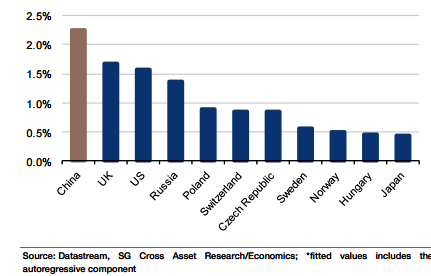
The pass-through of a weaker euro (which depreciated 10% between July 2014 and July 2015) so far can only be traced to the early stages of the price chain, i.e. import prices growth has gone from -1% to 1.8% yoy during the same period.
The impact of a weaker euro has not yet shown any pass-through to domestic producer prices for accelerated growth in HICP non-energy industrial goods prices.
"Despite an increase in import prices with the weaker euro, producer prices (excluding construction and energy) have shown no sign of quickening, suggesting that companies have either reduced profit margins by not raising output prices or that windfall gains from lower energy prices may have helped them keep producer prices low", says Societe Generale.

- News

- Economy

- Central Banks
- Investing
- Research
- Roundups
- Digital Currency
- Insights
- Technical Analysis
- Technology
- Business
- Law
- Health
- Nature
- Fintech
- Science
- Topic
- Opinions
- ©Econometrics LLC . All Rights Reserved.
Impact of weaker euro visible but only on import prices
Wednesday, September 23, 2015 3:18 AM UTC
Editor's Picks



- Market Data
Most Popular




