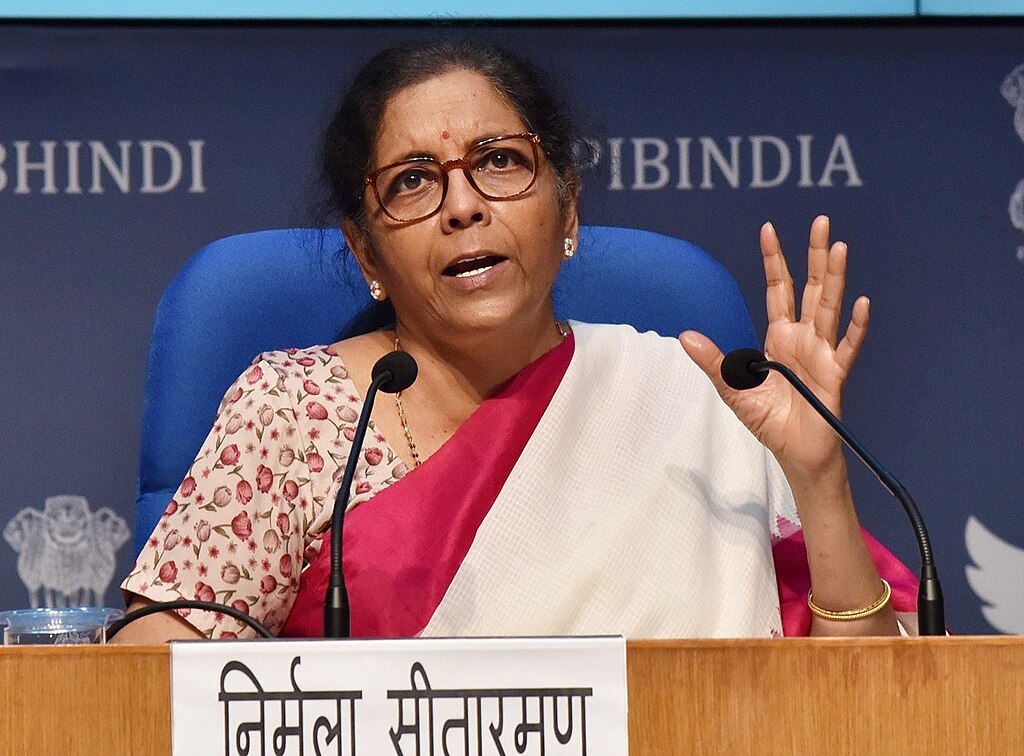
India’s Finance Minister Nirmala Sitharaman has identified agriculture and dairy as critical "red lines" in the country’s ongoing trade negotiations with the United States. In an interview with the Financial Express, published Monday, Sitharaman emphasized that these sectors require "a high degree of caution," highlighting India’s reluctance to open sensitive markets amid pressure from Washington.
The trade talks are underway ahead of U.S. President Donald Trump’s July 9 deadline to implement reciprocal tariffs. While expressing optimism about reaching a deal, Sitharaman noted, “Yes, I’d love to have an agreement, a big, good, beautiful one; why not?” She added that an early resolution would be in India’s best interest.
The United States is pushing for greater access to India’s agricultural and ethanol markets, citing trade imbalances. Washington is also seeking expanded entry for dairy products, automobiles, alcoholic beverages, pharmaceuticals, and medical devices. However, Indian sectors like auto and pharma, along with small-scale industries, are resisting rapid liberalization due to fears of being undercut by U.S. competition.
Sitharaman assured that these concerns will be addressed through "deep consultations" with stakeholders in the most affected industries. The trade deal remains under negotiation as both sides seek to balance economic interests with domestic sensitivities.
The outcome of these talks could significantly impact U.S.-India trade relations, particularly in areas like dairy exports, ethanol demand, and automotive imports. As negotiations continue, agriculture and dairy remain non-negotiable pillars of India’s stance, reflecting broader political and economic priorities tied to rural livelihoods and local industry protection.