


 FAA Warns US Airlines Over Saudi Arabia Flight Risks
  Asian Currencies Steady as Dollar Nears 18-Month High Ahead of US CPI
  Albertsons Seeks $9.3 Billion From Kroger Over Failed Merger
  Oil Prices Rise as Houthi Attacks Threaten Middle East Supply
  Most Americans Oppose Election Betting on Prediction Markets, Poll Finds
  US Stock Futures Rise as Oil Prices Fall Ahead of Q3 Earnings
  Airbus Tests Valkyrie Combat Drone in Europe for Eurofighter Integration
  Oil Prices Surge Above $106 After Deadly Saudi Airport Attack
  US Dollar Near 18-Month High Ahead of Inflation Data
  Russia Approves Sberbank for Crypto Exchange Services
  Moonshot AI Executives Seek Settlement Ahead of Hong Kong IPO
  S&P 500 Rally Masks Losses for Over 40% of Stocks in 2026
  Nasdaq Faces Pullback to 26,225 Despite Bullish Outlook, UBS Says
  Samsung, SK Hynix Shares Plunge as China Chip Competition Grows
  Canton Network Expands in South Korea With Major Partnerships
  Syndax Stock Drops 15% After Axatilimab Trial Failure


 Add as a preferred source on Google
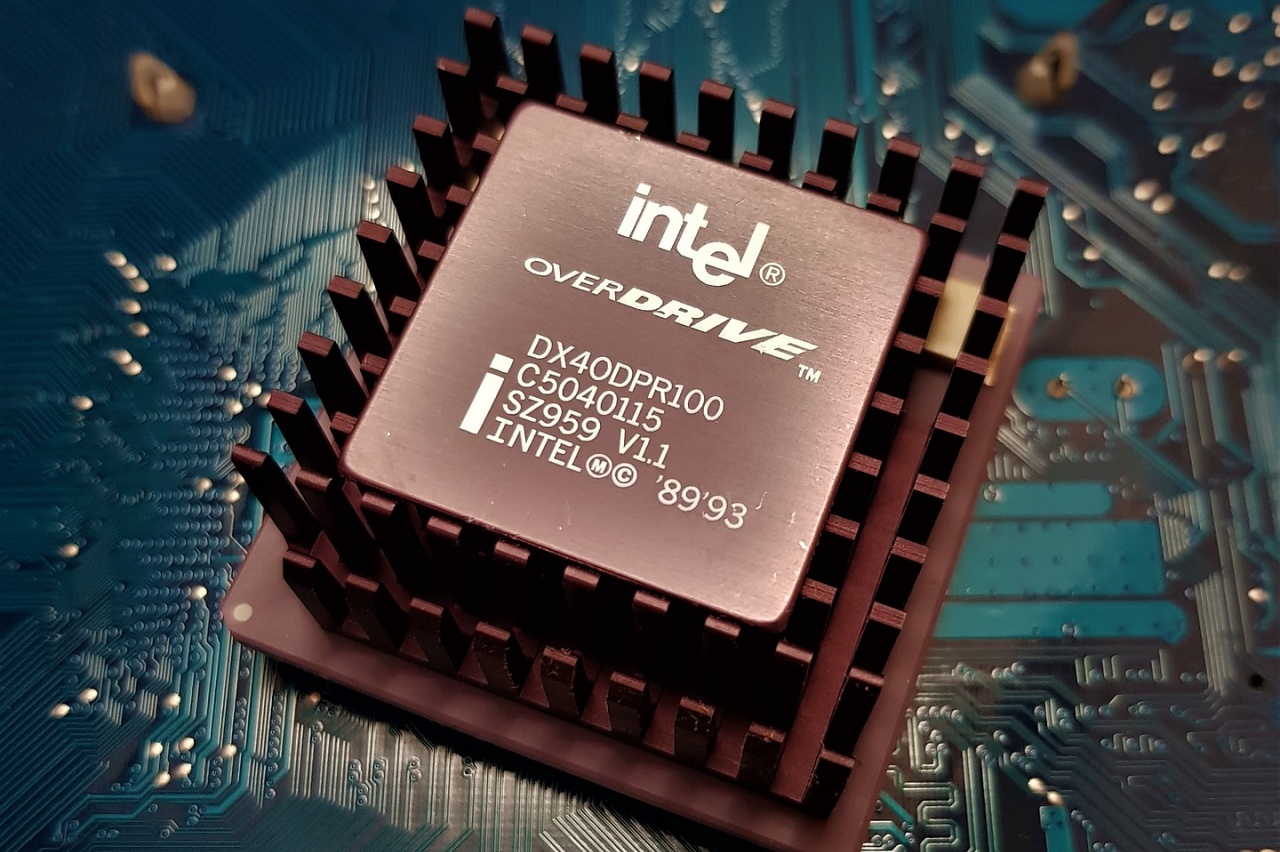
Intel Corporation has called off its planned $5.4 billion acquisition of Israeli chipmaker Tower Semiconductor after failing to secure pivotal regulatory approval from China. This setback forces Intel to pay a $353 million termination fee and reevaluates its strategies against dominant rival Taiwan Semiconductor Manufacturing Co. The decision poses a significant challenge to CEO Pat Gelsinger’s growth blueprint.
This means that Intel Corporation already terminated its deal for the takeover of Tower Semiconductor. The American tech company based in Santa Clara, California, explained that it had dropped the proposed deal “due to the inability to obtain in a timely manner the regulatory approvals required under the merger agreement.”
According to CNBC, with the cancellation of the agreement, Intel will have to pay Tower a hefty $353 million as a termination fee. In February last year, the company revealed its intention to buy the Israeli chip manufacturing firm.
At any rate, it was reported that Intel could not secure the approval of the Chinese regulator for the deal. This is an important part of the acquisition process, but the deadline has passed without issuing the needed consent. As they hit this snag, Intel and Tower Semiconductor agreed to terminate their agreement.
“After careful consideration and thorough discussions and having received no indications regarding certain required regulatory approval, both parties have agreed to terminate their merger agreement having passed the August 15, 2023, outside date,” the Israeli chip company said in a statement.
Finally, Bloomberg reported that the failed buyout plan of Tower Semiconductor was considered the foundation of Pat Gelsinger’s, Intel’s chief executive officer, plan to penetrate the faster-growing part of the chip industry and foundry market, which is currently being dominated by Taiwan Semiconductor Manufacturing Co. (TSMC). Thus, the development was kind of a blow to Intel.
Photo by: Michael Dahlenburg/Pixabay







