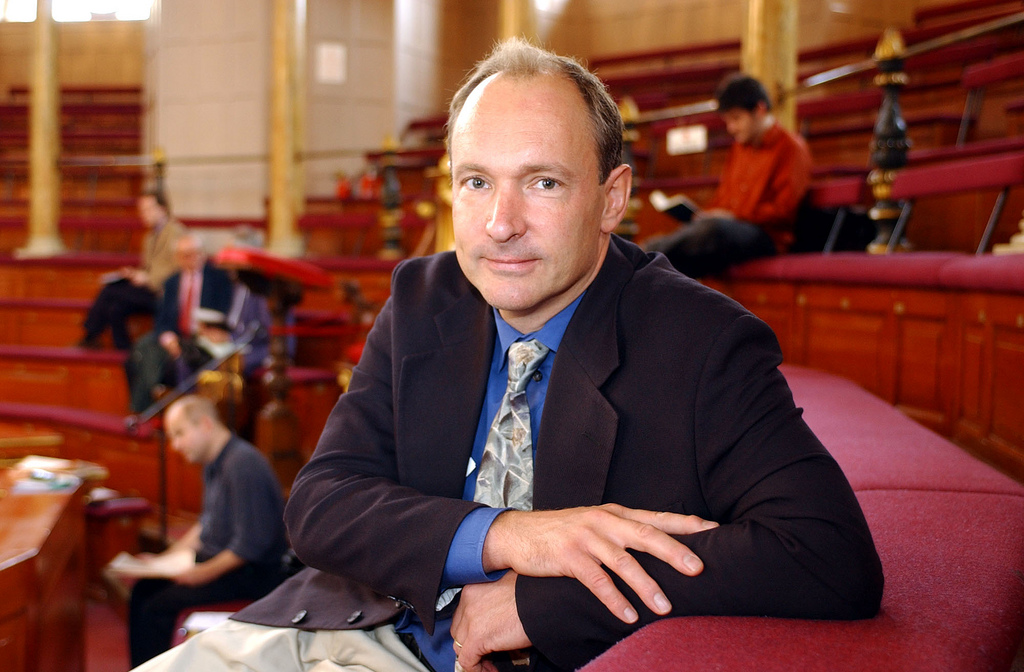
Sir Tim Berners-Lee is largely credited as the mind behind the invention of the internet and he was recently awarded the ACM Turing Award. It’s basically like the Nobel Prize, but more to do with computers and technology. After he was given the prestigious honor, Sir Berners-Lee proceeded to criticize how the state of the internet in both the UK and the US has fallen so low.
On ACM’s website, the group posted a piece detailing the various accomplishments of Sir Berners-Lee and why he was given the Turing Award. It also briefly goes through the tech figure’s time when he worked at the prestigious scientific group, CERN.
“Central to the universal adoption of the World Wide Web was Berners-Lee’s decision to develop it as open and royalty-free software,” the article reads. “Berners-Lee released his lib-www software package in the early 1990s, granting the rights to anyone to study, change, or distribute the software in any way they chose.”
Sir Berners-Lee’s decision to forgo any royalties and make the base technology that allowed the internet to thrive is the biggest reason why the web was able to grow and spread the way it has. In a recent interview with the BBC, however, it would seem that the beloved scientist is disturbed by the current trends involving the internet and governments.
Bringing up the topic of encryption, Sir Berners-Lee criticized the tendency by the UK and US governments to undermine encryption in pursuit of one goal or another. He believes that no matter the reason, trying to break through security protocols that protect users from prying eyes is only going to do more harm than good.
"Now I know that if you're trying to catch terrorists it's really tempting to demand to be able to break all that encryption but if you break that encryption then guess what - so could other people and guess what - they may end up getting better at it than you are," Sir Berners-Lee said.