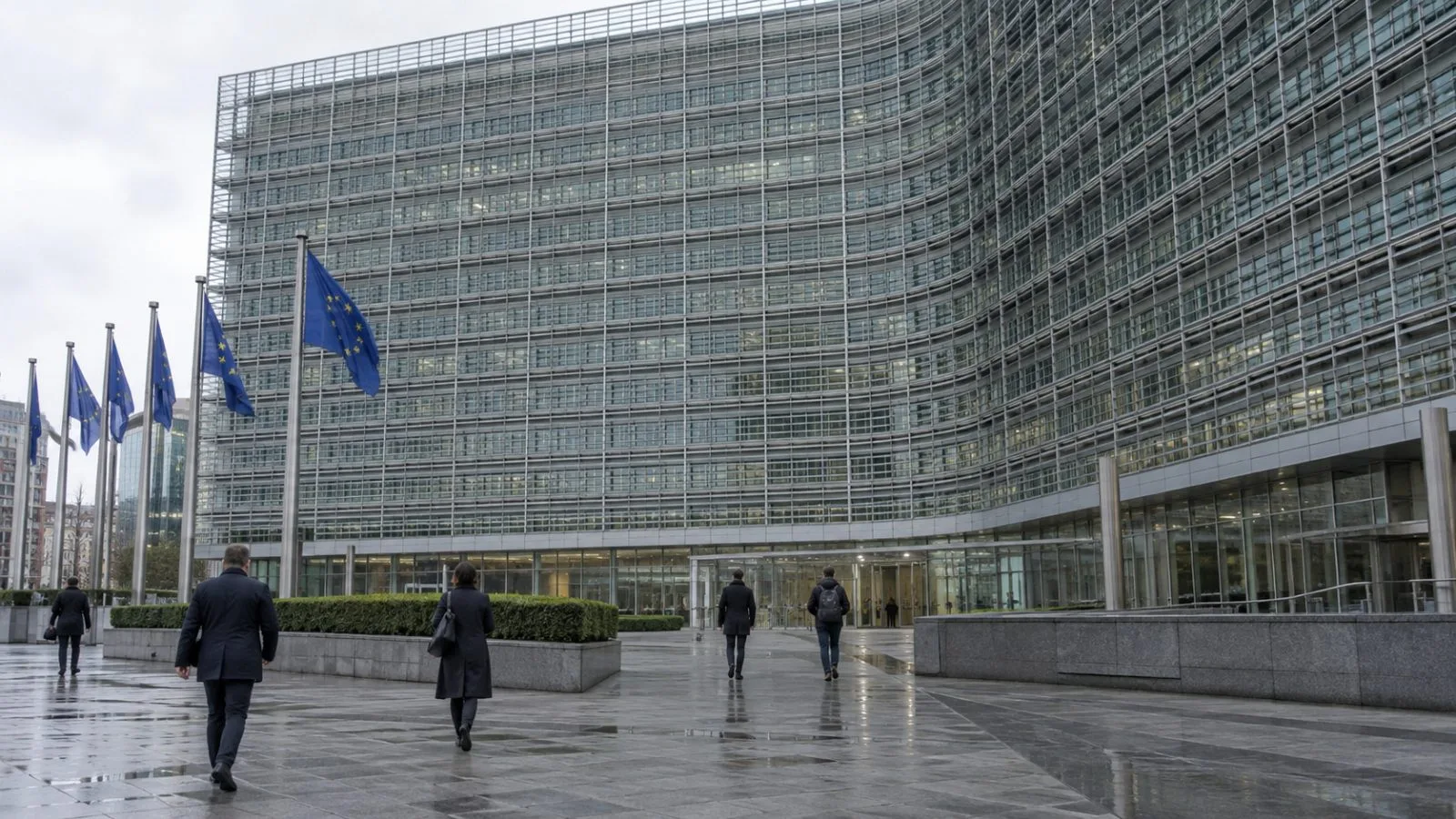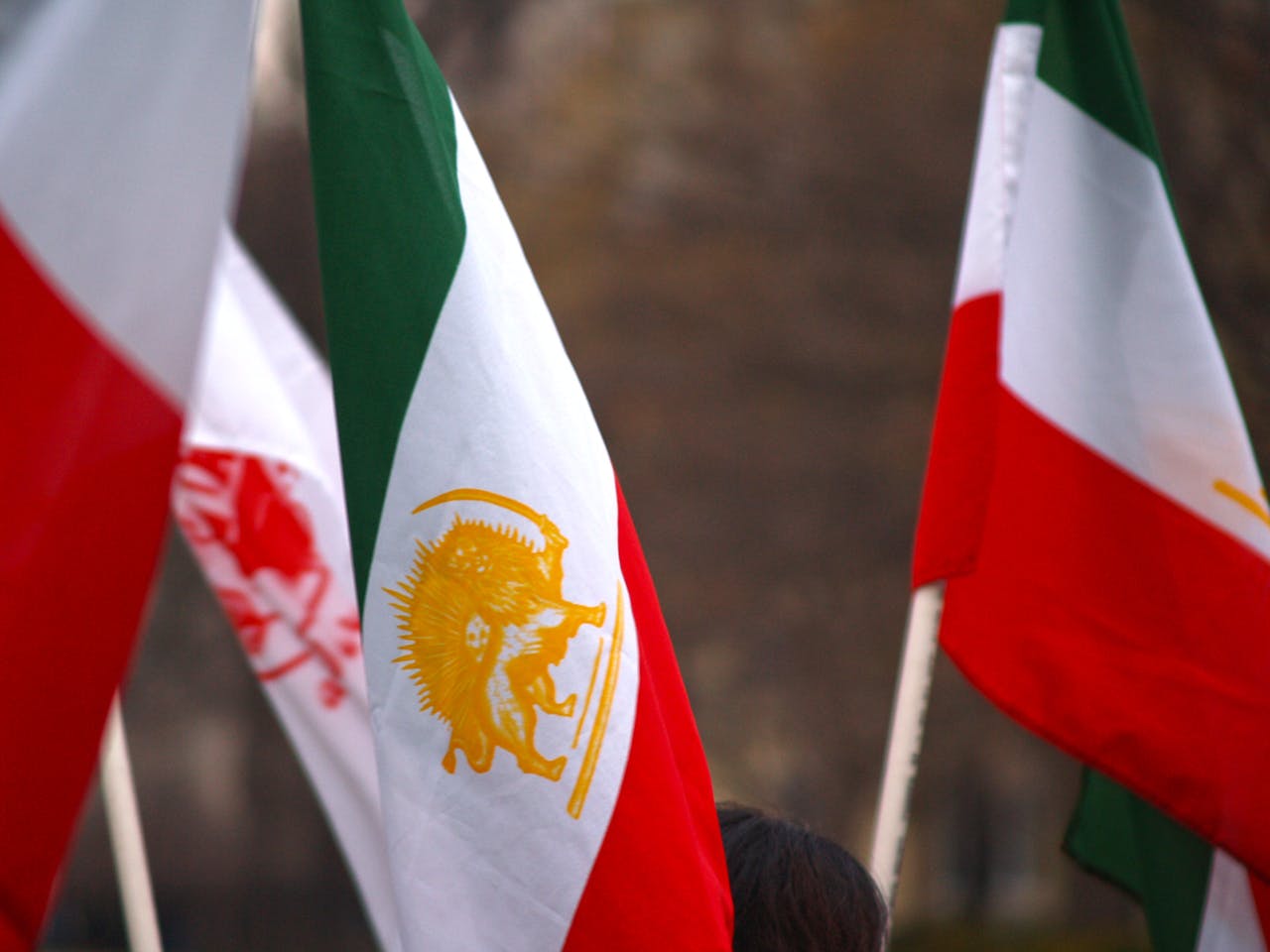
Iran’s clerical rulers are confronting one of their gravest challenges since the 1979 Islamic Revolution, caught between mounting public discontent and renewed international isolation. The United Nations reimposed sweeping sanctions on Tehran after talks with Britain, France, and Germany collapsed, dealing another blow to hopes of reviving the 2015 nuclear agreement.
The sanctions, triggered by accusations that Iran violated its nuclear commitments, include bans on oil exports, uranium enrichment, and military activities, alongside banking restrictions, asset freezes, and travel bans. Western powers and Israel accuse Tehran of using its nuclear program as cover to develop weapons, while Iran insists its goals remain peaceful.
Inside Iran, officials acknowledge the clerical establishment is under immense pressure. “Our people cannot handle more economic pressure or another war,” one senior official admitted. Growing concerns over potential Israeli strikes on nuclear sites, especially after a June conflict that included Israeli and U.S. attacks on Iranian installations, have only heightened fears.
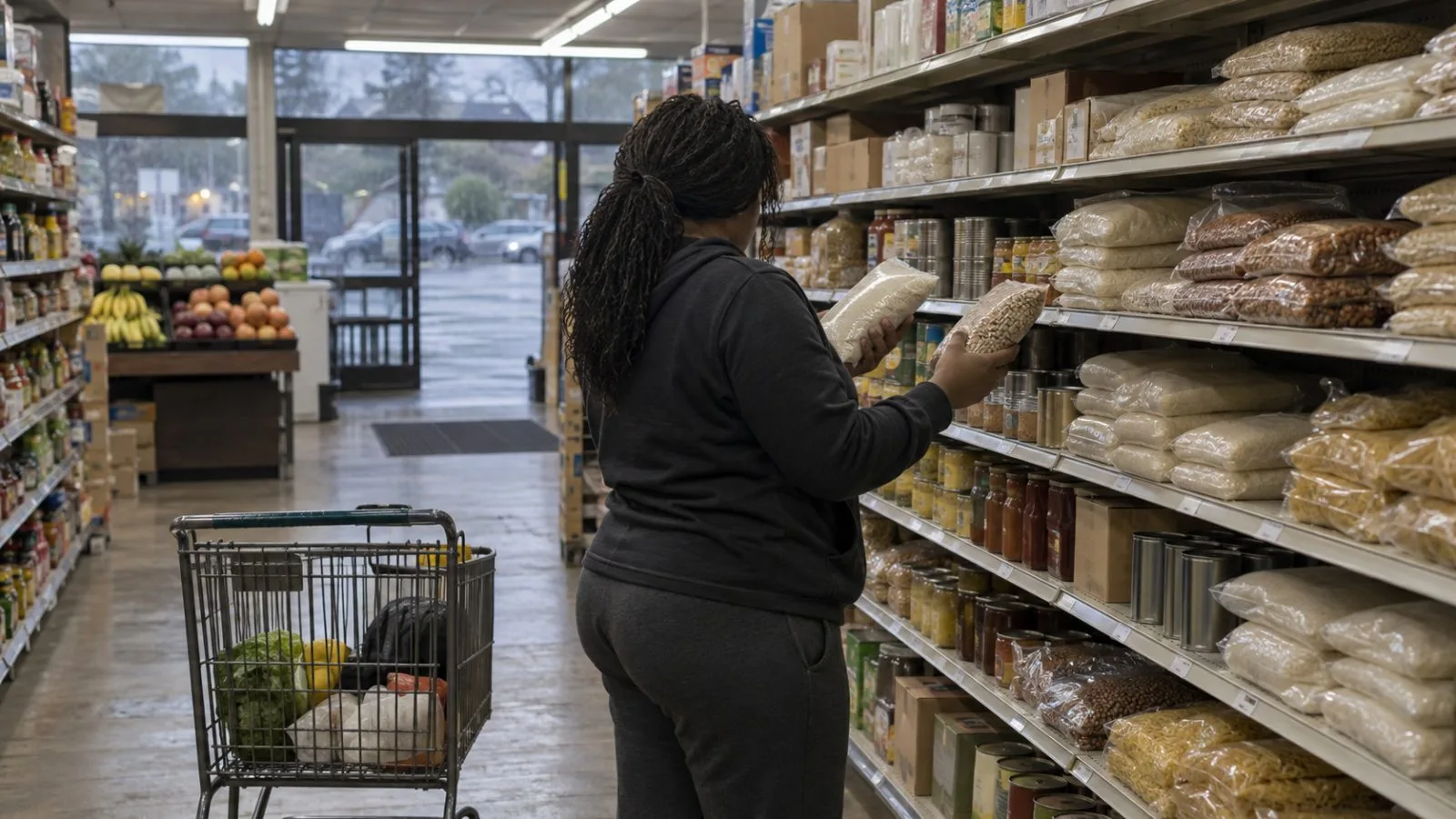
Analysts warn that Iran is cornered: making concessions risks fracturing the ruling elite, while escalation could invite devastating conflict. Some insiders suggest maintaining the status quo—avoiding both war and compromise—may be Tehran’s least damaging option. Yet renewed sanctions are likely to deepen economic pain, with inflation above 40%, food and housing costs soaring, and the rial continuing its steep decline.
Public anger is mounting. Many Iranians fear worsening hardship, with some openly questioning how they will survive. “We already struggle to make ends meet. More sanctions means more economic pressure,” said Shima, a teacher and mother of two in Tehran.
Iran has leaned heavily on China as a lifeline for oil sales and trade, but revived U.N. sanctions now cast doubt on that strategy’s sustainability. As rifts widen within Iran’s leadership over how to respond, the regime faces a volatile mix of international confrontation and domestic unrest that could shape the country’s future.