


 Trump Says He Raised Political Prisoners With Xi
  Trump Praises Boeing 737 Max After Flydubai Crash Attempt
  South Korea Warns Ukraine Over North Korean POW Dispute
  Israeli Settler Attack in West Bank Kills Palestinian
  US Conducts Non-Nuclear Explosion Test to Boost Nuclear Detection
  Marco Rubio to Visit Iceland, Greece and Portugal
  TRUMP Memecoin Launches New Dinner Contest
  Lula Leads Flavio Bolsonaro 48%-45% in Datafolha Poll
  California Leads Lawsuit Over Trump’s $810 Million Funding Cuts
  Putin Says Western Firms Could Regain Russian Assets
  Israel Tightens Pilot Security After Flydubai Incident
  Tsai Ing-wen to Visit US for Stanford Security Conference
  Trump Demands Powell Resign Over Fed Renovation Cost Overruns
  Pentagon Launches Autonomous Warfare Command
  US Appeals Court Keeps Trump IRS Case Sanctions in Place
  Netanyahu Vows Probe Into Foiled Flydubai Crash Attempt
  Iran Plans Stronger Response if US Attacks Resume


 Add as a preferred source on Google
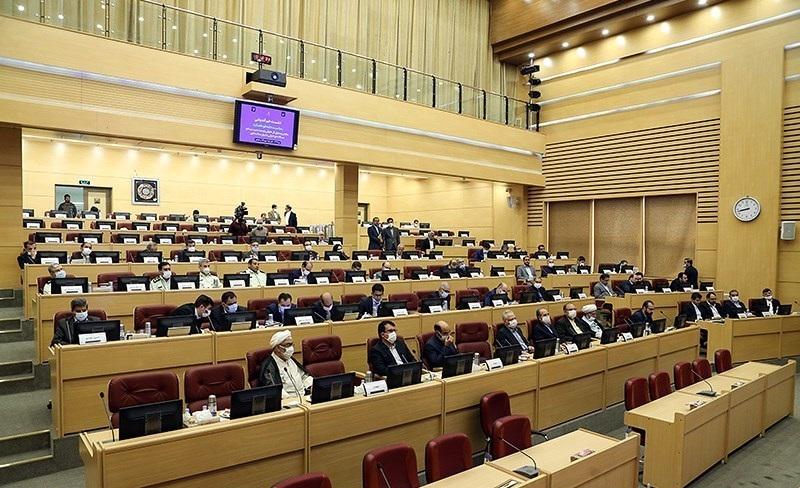
The Iranian court sentenced four people to death for allegedly cooperating with Israel’s intelligence agency. The sentencing is the latest flare of tensions between Iran and its longtime enemy.
Iran’s Mehr news agency reported that the Iranian judiciary Wednesday sentenced four people to death for cooperating with Israeli intelligence and for kidnappings. The outlet named the four people that were accused and that they were “sentenced to death for the crime of cooperating with the intelligence services of the Zionist regime and for kidnapping,” referring to Israel.
“With guidance from the Zionist intelligence service, this network of thugs was stealing and destroying private and public property, kidnapping people, and obtaining fake confessions,” said the report, adding that the four people accused were arrested by the Revolutionary Guards and the Ministry of Intelligence.
The report also noted that three other people were sentenced to five to 10 years in prison for allegedly acting against national security, aiding in kidnapping, and possession of illegal weapons.
The sentencing of the four people is the latest flare of tensions between Iran and Israel. Tehran has long accused Israel of carrying out covert operations on Iranian soil. Tehran has also sought to blame Israel and the United States for inciting a civil war due to the widespread protests that have been taking place in recent months since the death of Kurdish Iranian Mahsa Amini back in September in the custody of the morality police.
The widespread protests are seen as the biggest show of opposition to the clerical establishment since the 1979 revolution.
A United Nations-appointed expert on Iran has voiced concern about the fate of the protesters who were sentenced to death for their participation in the demonstrations. The sentences come amidst the deaths of over 300 people in the protests, with 14,000 others getting detained by security forces.
“I’m afraid that the Iranian regime will react violently to the UN Human Rights Council resolution and this may trigger more violence and repression on their part,” Javaid Rehman told Reuters when the UN rights council voted in favor of launching a probe into Tehran’s crackdown on the protests. Iran has rejected the probe and said it has no intention of cooperating.







