Tensions between Iran and Israel have escalated sharply as both countries launched fresh attacks, killing hundreds of civilians and raising fears of a broader Middle East conflict. Israel continued its military campaign on Sunday, targeting Iran’s nuclear and ballistic missile infrastructure, while Iran retaliated with daylight and nighttime missile strikes on Tel Aviv and Haifa, injuring dozens.
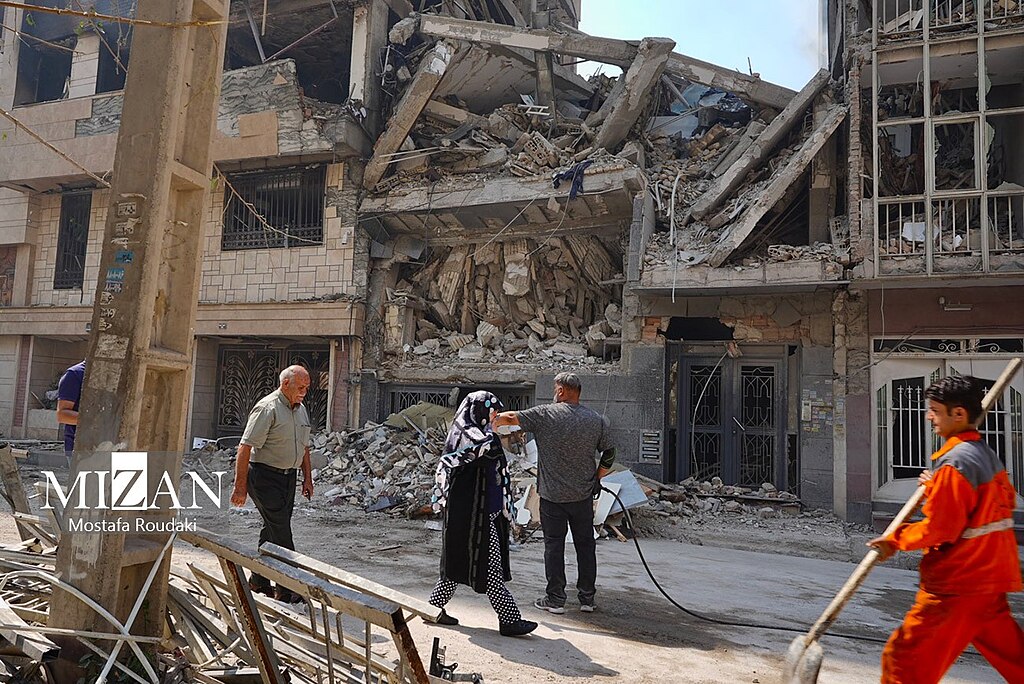
Iran's health ministry reported 224 deaths and over 1,200 injuries since Friday’s Israeli strike, with a significant majority being civilians. In Tehran, a 14-story apartment block was flattened, killing 60 people, including many children. Israel’s Prime Minister Benjamin Netanyahu vowed that Iran would “pay a heavy price” for targeting civilians.
Iran responded by urging Israeli citizens to evacuate "vital areas," escalating psychological pressure. Explosions rocked Haifa and Bat Yam, with residents left shaken and bracing for more strikes. Oil prices surged amid fears of a disruption in global supply, with Brent crude rising nearly 3% to $76.37 per barrel.
Meanwhile, Iran told Qatar and Oman it would not negotiate a ceasefire under attack, prompting the cancellation of scheduled nuclear talks with the U.S. U.S. President Donald Trump, attending the G7 summit in Canada, denied U.S. involvement in the strikes but warned Iran against targeting American interests, promising an “unmatched response.”
Trump reportedly vetoed an Israeli plan to assassinate Iran’s Supreme Leader, stating no American casualties had occurred. Despite Israeli claims that regime change is not the goal, Netanyahu hinted it could be a consequence of Iran’s continued hostility.
The deadly exchanges mark the most intense phase of hostilities between the longtime adversaries, threatening regional stability and global markets as the world watches for signs of de-escalation.