
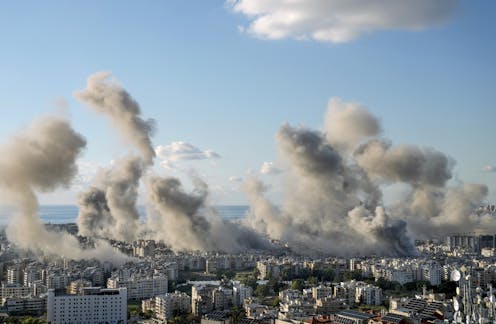
A fragile but significant ceasefire between Lebanon and Israel took effect Thursday, as President Donald Trump signaled that a broader peace agreement with Iran may be within reach. The development marks a pivotal moment in the U.S.-Iran war, which erupted on February 28 following a joint American-Israeli military offensive.
Trump confirmed that Iran had expressed willingness to forgo nuclear weapons for over two decades, a notable shift from earlier positions. Speaking outside the White House, he told reporters that a deal was close, and later declared at a Las Vegas event that the war "should be ending pretty soon." If finalized, the agreement would reopen the Strait of Hormuz — a critical global shipping lane carrying roughly one-fifth of the world's oil and gas — potentially easing an unprecedented oil price crisis that has rattled global markets and prompted IMF warnings of a looming recession.
Celebrations broke out across Beirut at midnight as the ceasefire began, though early violations were reported by the Lebanese Army, citing Israeli shelling in southern villages. Hezbollah also issued a statement confirming its final strike came just minutes before the truce deadline.
Diplomatic momentum is building around Pakistani Army chief Asim Munir, who reportedly made progress on key sticking points during a visit to Tehran. U.S. and Iranian negotiators remain divided over the fate of Iran's highly enriched uranium stockpile and the lifting of international sanctions, though sources suggest a partial compromise is emerging.
Trump announced plans to invite Israeli Prime Minister Benjamin Netanyahu and Lebanese President Joseph Aoun to the White House for peace talks, while indicating he may personally travel to Islamabad if a final deal is signed there.
Defense Secretary Pete Hegseth warned that military operations would resume if negotiations collapse.


