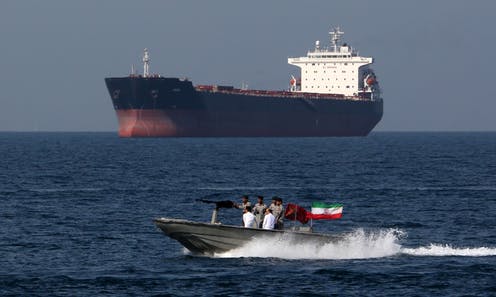
An Iranian proposal aimed at easing tensions in the Strait of Hormuz and ending the ongoing U.S. blockade has reportedly been rejected by U.S. President Donald Trump, highlighting continued deadlock in U.S.-Iran relations. The proposal, according to a senior Iranian official, suggests reopening critical shipping routes in the Strait of Hormuz while postponing negotiations over Iran’s nuclear program to a later stage.
The Strait of Hormuz remains a vital global energy corridor, responsible for nearly 20% of the world’s oil and gas shipments. Iran’s restrictions on maritime traffic over the past two months have significantly disrupted global energy markets, contributing to rising oil prices and increased gasoline costs in the United States. In response, Washington imposed its own blockade on vessels linked to Iranian ports, escalating the economic standoff.
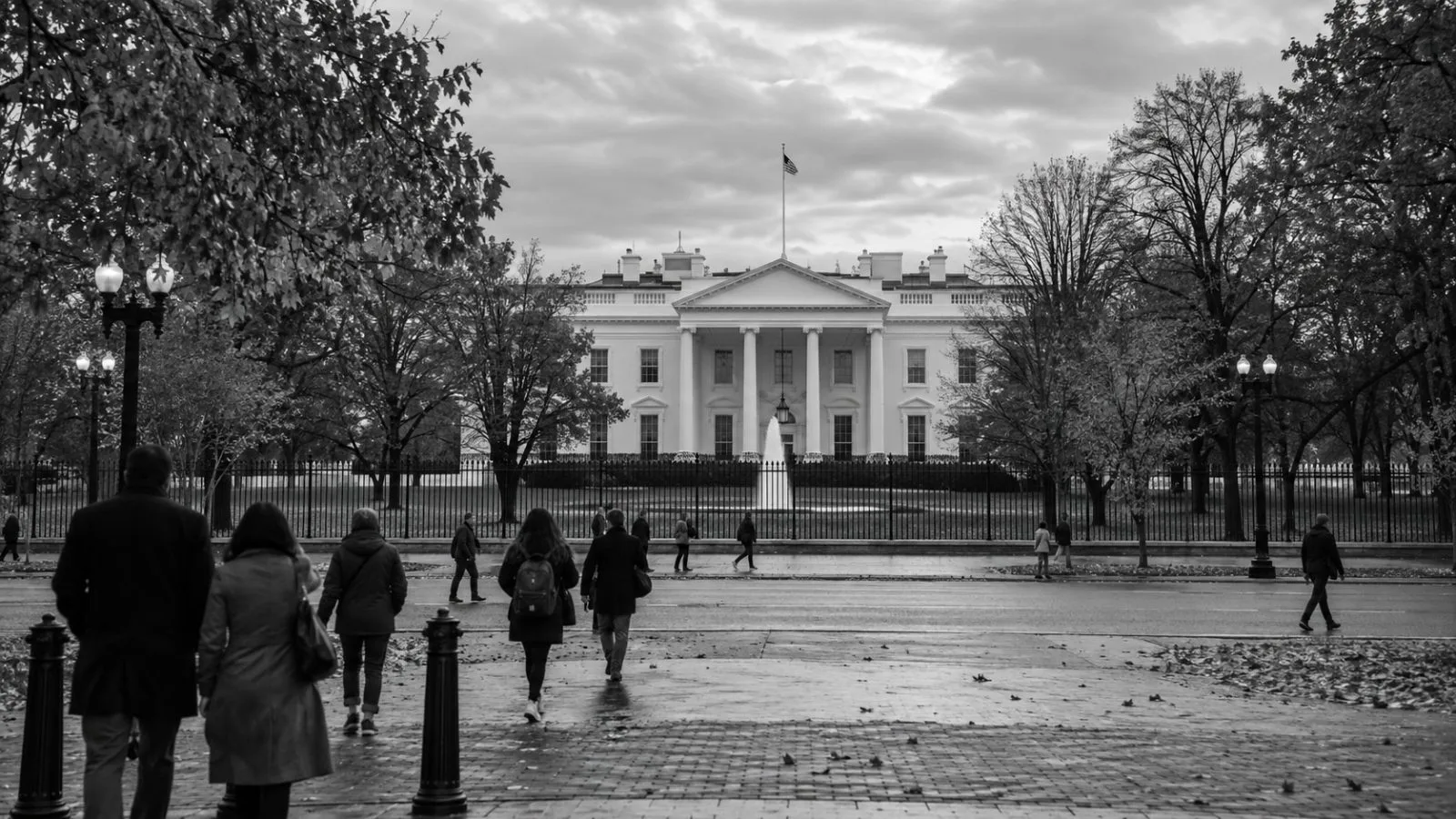
President Trump reiterated his firm stance that Iran must never acquire nuclear weapons, stating dissatisfaction with Tehran’s latest diplomatic proposal. Despite signaling a preference for negotiations over military action, Trump emphasized that the United States would not rush into an agreement that could allow future nuclear risks. His comments come amid growing domestic pressure, as rising fuel prices threaten to impact voter sentiment ahead of upcoming midterm elections.
The Iranian framework proposes a phased approach: first ending hostilities and reopening the Strait of Hormuz, followed by future talks addressing nuclear restrictions and sanctions relief. Tehran is also seeking recognition of its right to enrich uranium for peaceful purposes, even if temporarily suspended.
While both sides have paused military operations for several weeks, no substantial progress has been made toward a long-term resolution. The ongoing conflict has already strained global markets and heightened fears of a broader economic downturn.
As diplomatic efforts continue through mediators, the future of U.S.-Iran negotiations remains uncertain, with the Strait of Hormuz crisis and nuclear concerns still at the center of global geopolitical tensions.