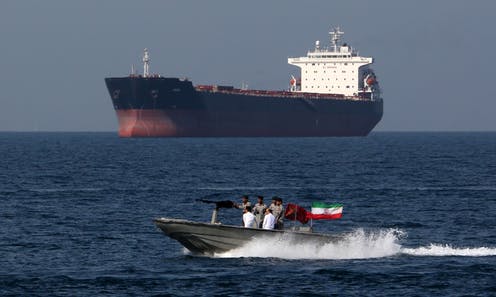
Iran has temporarily reopened the Strait of Hormuz to commercial shipping following a U.S.-brokered ceasefire between Israel and Lebanon, sparking cautious optimism in global markets. However, Tehran issued a stark warning that the critical waterway could close again if the United States maintains its naval blockade of Iranian ports.
Foreign Minister Abbas Araqchi confirmed via social media that all commercial vessels were permitted to transit the strait for the duration of the 10-day truce. The ceasefire came after weeks of conflict that began when Israel invaded Lebanon following Hezbollah's military support of Iran. The fighting has claimed thousands of lives and effectively shut down one of the world's most vital energy corridors since late February.
President Donald Trump praised the development, calling it a remarkable moment for global peace. Yet contradictions quickly emerged. Trump confirmed the U.S. naval blockade would remain in place until a comprehensive deal with Iran is finalized, while Iranian parliament speaker Mohammad Baqer Qalibaf warned that the strait would not stay open under those conditions. Iran also mandated that all vessels coordinate with the Islamic Revolutionary Guard Corps before passage, a new requirement that raised concerns among international shipping companies.
Despite initial optimism, vessel tracking data showed roughly 20 ships attempting to cross the strait on Friday evening, with most ultimately turning back for reasons that remained unclear.
Global financial markets responded positively, with oil prices dropping approximately 10% and stock markets climbing on hopes of restored energy flows. Still, unresolved disputes over Iran's nuclear program continue to cloud negotiations. The U.S. demanded a 20-year suspension of all Iranian nuclear activity, while Iran proposed a much shorter three-to-five year pause. Diplomats are now working toward a preliminary agreement that could extend the ceasefire and create space for a broader peace deal within 60 days.