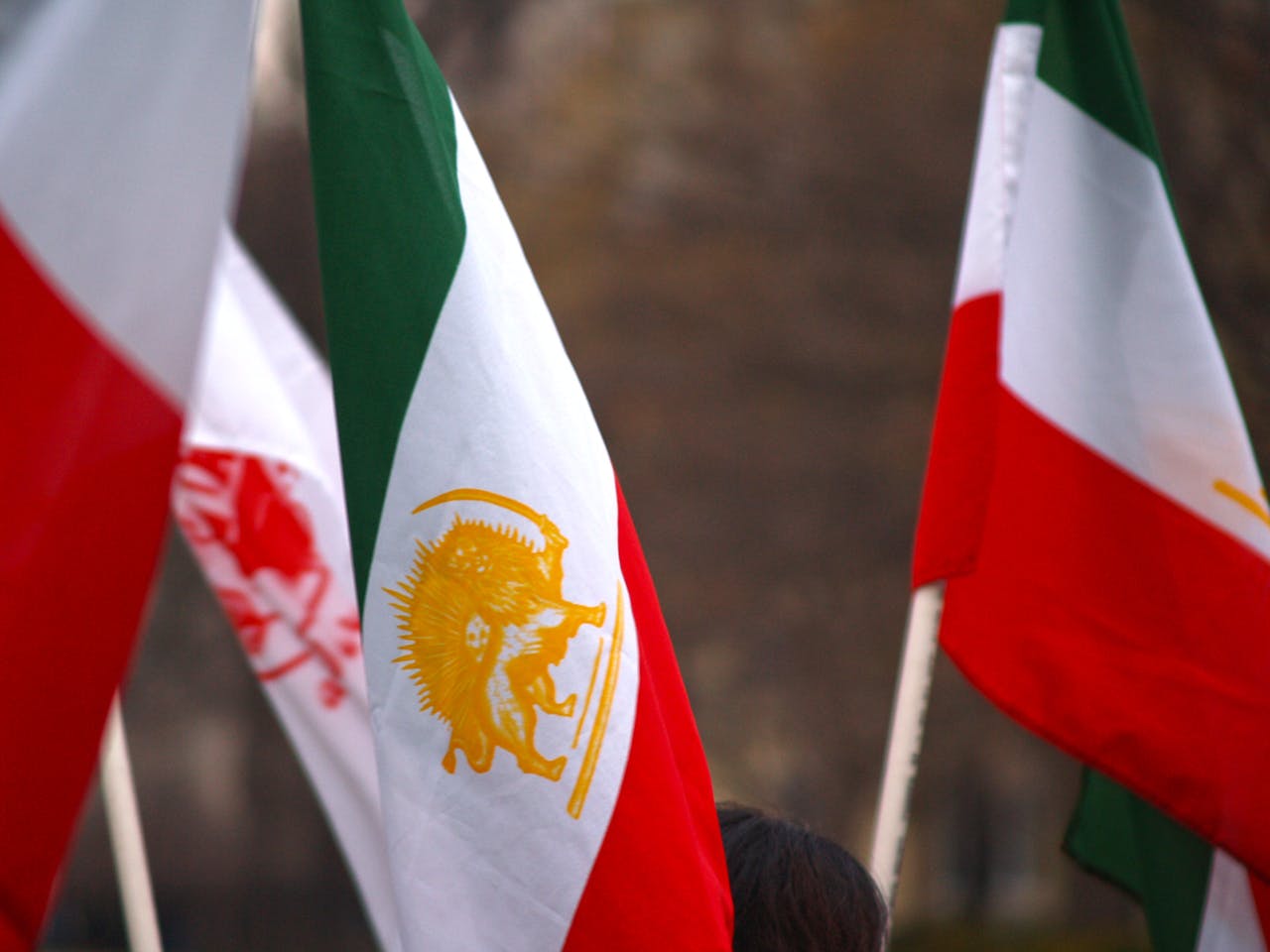
Iran’s foreign minister confirmed on Wednesday that the country’s new agreement with the U.N. nuclear watchdog does not guarantee full access for inspectors to its nuclear facilities, stressing that further discussions are required.
The deal, reached Tuesday between Iran and the International Atomic Energy Agency (IAEA), allows limited monitoring but excludes immediate entry to most sites except the Bushehr nuclear plant. Iranian Foreign Minister Abbas Araqchi told state TV that access to other facilities will be determined later, depending on future reports and negotiations.
Diplomats caution that the details of the agreement remain unclear, as no joint press conference was held to outline the so-called “modalities” for inspections. The IAEA’s Director General Rafael Grossi stated the technical document includes procedures for notifications, inspections, and reporting, covering all facilities and materials, including those damaged by U.S. and Israeli strikes.
The development comes as European powers continue to threaten the re-imposition of international sanctions lifted under the 2015 nuclear deal. Tehran has warned that any return of sanctions would void the current arrangement with the IAEA.
Despite damage to enrichment facilities, uncertainty remains over Iran’s uranium stockpile, some enriched to 60% purity, close to the 90% level needed for weapons-grade material. This issue adds to international concern about Iran’s nuclear ambitions.
Araqchi emphasized that the outcome of the IAEA Board of Governors’ meeting on Wednesday will be decisive in shaping future cooperation. The situation highlights the fragile state of Iran’s nuclear diplomacy, with pressure from both Western governments and ongoing regional tensions.
The agreement signals a temporary step toward oversight but leaves key questions unresolved, fueling debate over Iran’s nuclear activities and the potential return of sanctions.