
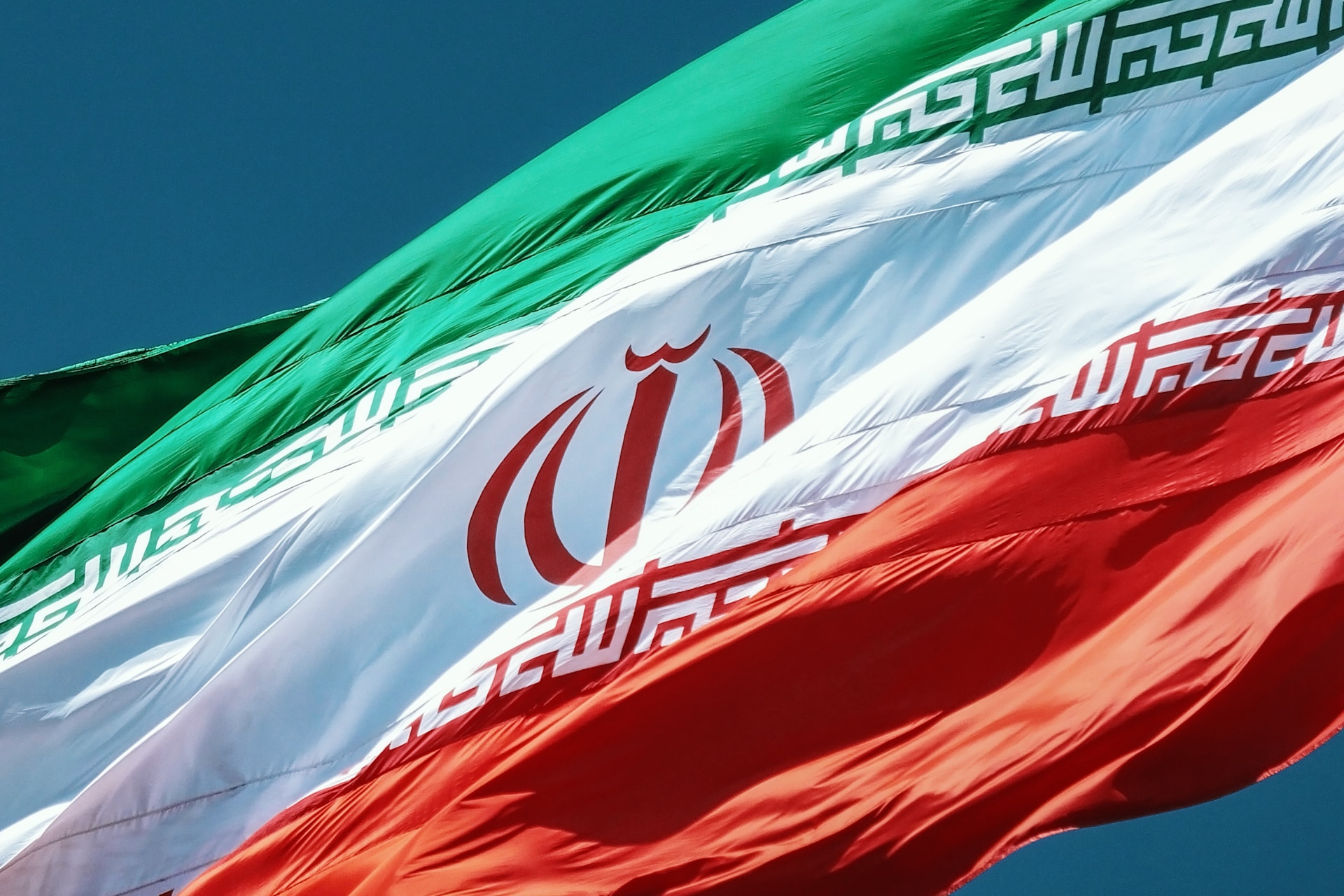
Iran and the United States made notable progress in nuclear negotiations during their second indirect meeting in a week, held in Rome on Saturday. Iranian Foreign Minister Abbas Araqchi and U.S. President Donald Trump’s Middle East envoy, Steve Witkoff, communicated through an Omani intermediary for over four hours.
Araqchi described the talks as constructive, noting that both sides reached a “better understanding” on key principles. The discussions paved the way for expert-level negotiations set to begin Wednesday in Oman. These sessions aim to establish a framework for a potential nuclear agreement. Senior negotiators will reconvene next Saturday to assess the experts' progress and alignment with agreed-upon principles.
A Trump administration official confirmed the advancement, stating, “We made very good progress in our direct and indirect discussions.” Trump, who withdrew the U.S. from the 2015 Iran nuclear deal during his first term, reiterated on Friday that Iran must not develop nuclear weapons, stating, “They can’t have a nuclear weapon. I want Iran to be great and prosperous.”
Despite progress, Iran remains cautious. Supreme Leader Ali Khamenei has warned against premature optimism. Araqchi echoed this sentiment, saying there’s “no reason to be overly pessimistic” but stressed caution.
Iran, which maintains that its nuclear program is peaceful, is open to limited restrictions in exchange for lifting international sanctions. However, a senior Iranian official emphasized red lines: Iran will not dismantle centrifuges, halt enrichment, or reduce its uranium stockpile below 2015 deal levels.
Meanwhile, Israel, a staunch opponent of the 2015 pact, has not ruled out the possibility of striking Iran’s nuclear facilities in the coming months.
Since 2019, Iran has exceeded the nuclear limits set by the 2015 agreement, significantly enriching uranium beyond civilian energy requirements, raising global concerns over nuclear proliferation.


