
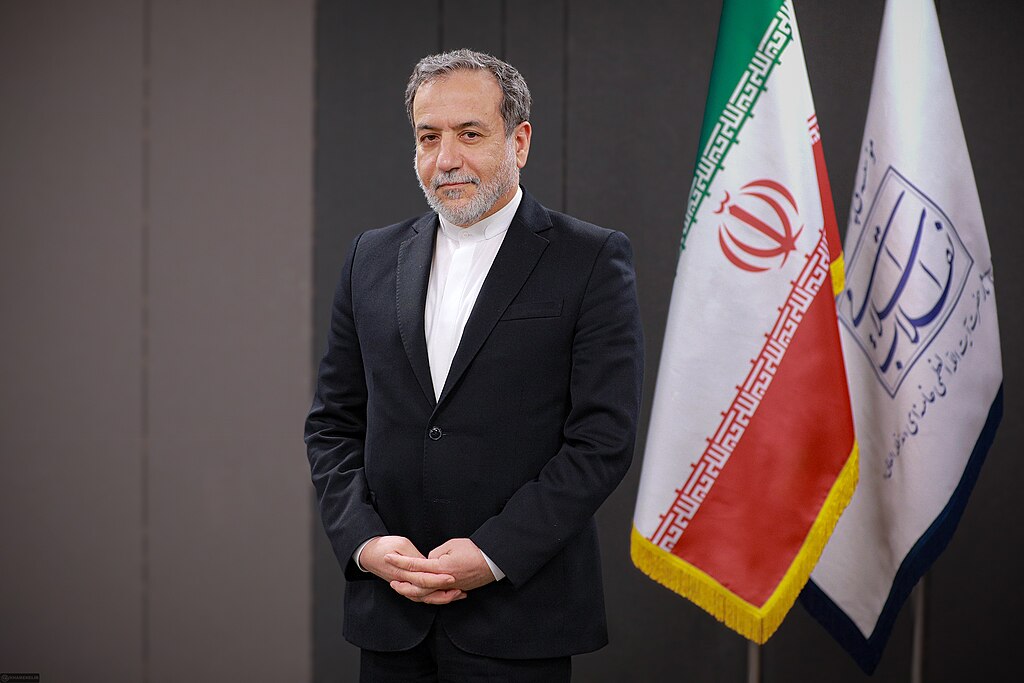
Iranian Foreign Minister Abbas Araghchi told Fox News that Tehran will not abandon its uranium enrichment program, calling it a matter of national pride despite severe damage caused by Israeli and U.S. strikes during the recent Israel-Iran conflict.
The war, which began on June 13 and lasted 12 days, saw Israel launch attacks on Iranian territory, followed by retaliatory strikes and U.S. bombing of Iranian nuclear facilities. A ceasefire was reached in late June. Araghchi acknowledged the damage to Iran’s nuclear infrastructure was "serious and severe" but emphasized that enrichment is a scientific achievement and central to Iran’s sovereignty.
Before the conflict, Tehran and Washington had engaged in five rounds of nuclear negotiations, brokered by Oman, but failed to reach consensus on uranium enrichment limits. The U.S. and Israel accused Iran of enriching uranium close to weapons-grade levels. Iran insists its program is solely for peaceful, civilian purposes.
In his interview with Fox News’ “Special Report with Bret Baier,” Araghchi said Supreme Leader Ayatollah Ali Khamenei remains in good health and reiterated that Iran remains open to negotiations with the U.S., though not directly “for the time being.”
Iran, a signatory to the Nuclear Non-Proliferation Treaty (NPT), has consistently denied pursuing nuclear weapons. The International Atomic Energy Agency (IAEA) states it has found no credible evidence of a coordinated nuclear weapons program in Iran. In contrast, Israel, which is not a party to the NPT, is widely believed to possess nuclear weapons and justified its military campaign as necessary to prevent Iran from developing similar capabilities.
The renewed tension and unresolved nuclear issues signal ongoing regional instability and highlight the global stakes in future negotiations over Iran’s nuclear ambitions.


