


 Maduro, Wife May Face New US Torture Charges
  Pentagon Orders Iran Strike Preparations as Trump Weighs Military Action
  US, Greece Launch New Counterterrorism Security Program
  France to Release 10 Million Barrels of Diesel to Ease Fuel Prices
  Saudi Arabia Probes Flydubai Cockpit Attack
  Tsai Warns of China’s Sustained Pressure on Taiwan
  Trump Backs Florida Golf Course as Presidential Retreat
  Lula Weighs Alckmin as Finance Minister to Boost Fiscal Credibility
  Vance Demands Iran Cut Nuclear Enrichment to End War
  Houthis Strike Aden Airport as Yemen Fighting Escalates
  Trump Says He Deserves 2026 Nobel Peace Prize Despite Uncertain Chances
  Trump Rallies in Texas as Republicans Face Tight Midterm Races
  US Pressures Allies to Distance From Anti-Disinformation Conference
  Trump Envoy Meets Sudan Army Chief in Egypt
  Iran Tanker Attacks Surge as Hormuz Oil Flows Near Prewar Levels
  US-Taiwan Ties Remain Strong as Taipei Urges Timely Arms Deliveries
  US-Led Coalition Targets Global Factory Overcapacity


 Add as a preferred source on Google
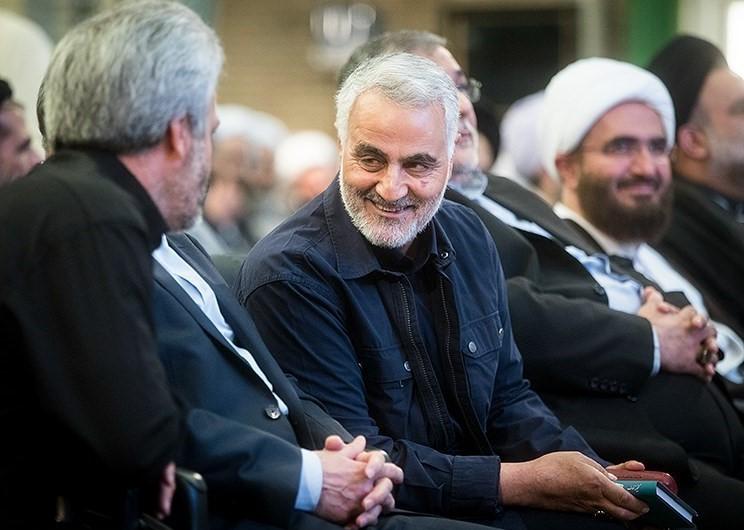
Iran has recently taken further action against the US for its assassination of top general Qassem Soleimani. Tehran has now added more US officials to a blacklist for Soleimani’s killing.
Al Jazeera reports that Iran has imposed sanctions on more US officials, many of which are from the military, and added them to its blacklist of individuals they say played a part in Soleimani’s assassination.
The Iranian foreign ministry made the announcement Saturday, revealing that 51 Americans are blacklisted in relation to the “terrorist act” of Soleimani’s killing as well as human rights violations. The announcement followed the second anniversary of Soleimani’s assassination.
Among those who have been targeted by the sanctions is Chairman of Joint Chiefs of Staff Gen. Mark Milley, US Central Command chief Kenneth McKenzie, some officials from the Pentagon, and commanders in US bases in the region. The sanctions are mostly symbolic in nature as those who have been named are thought not to have assets that could be seized by Iranian authorities.
The year before, Iran imposed sanctions on former President Donald Trump, who ordered the strike that killed Soleimani, his Secretary of State Mike Pompeo, and other administration officials who had a part in killing the top Iranian general in Baghdad. Iran has also sought the arrest of Trump through Interpol.
In the ceremony commemorating the assassination, Iranian President Ebrahim Raisi said that Trump, Pompeo, and others involved must be tried, and warned that Iran and its allies would seek revenge if it is not done. Tehran has also called on the UN General Assembly and the UN Security Council to take action against the US for Soleimani’s assassination.
In other related news, Iran’s foreign minister Hossein Amir-Abdollahian told Al Jazeera last week that Iran wants a guarantee from world powers that sanctions would not be reimposed if an agreement is to be reached over its nuclear program. This followed the eighth round of negotiations between Iran and western powers in an attempt to revive the nuclear deal. The US withdrew from the deal back in 2018 under Trump.
Iran has demanded that the world powers lift all sanctions and a guarantee that the US will not abandon the deal again.







