


 Hegseth Praises USS Abraham Lincoln Crew After Record Iran War Deployment
  North Korea Slams US Taiwan Arms Sales, Reaffirms Russia Support
  Pentagon Orders Iran Strike Preparations as Trump Weighs Military Action
  US Pressures Allies to Distance From Anti-Disinformation Conference
  Houthis Strike Aden Airport as Yemen Fighting Escalates
  Trump Rallies in Texas as Republicans Face Tight Midterm Races
  Merz Warns of Extremism After AfD Gains Power in Saxony-Anhalt
  Maduro, Wife May Face New US Torture Charges
  Russia Targets Danish Ukraine Suppliers in Sabotage Campaign
  Saudi Arabia Probes Flydubai Cockpit Attack
  Trump Says He Deserves 2026 Nobel Peace Prize Despite Uncertain Chances
  San Francisco Halts New Data Center Construction With 45-Day Moratorium
  US-Led Coalition Targets Global Factory Overcapacity
  Zelenskiy Warns Russia Is Preparing Massive Attack on Ukraine
  Lincoln University Students Sue Missouri Over Decades of Underfunding
  US-Taiwan Ties Remain Strong as Taipei Urges Timely Arms Deliveries
  Lula Weighs Alckmin as Finance Minister to Boost Fiscal Credibility


 Add as a preferred source on Google
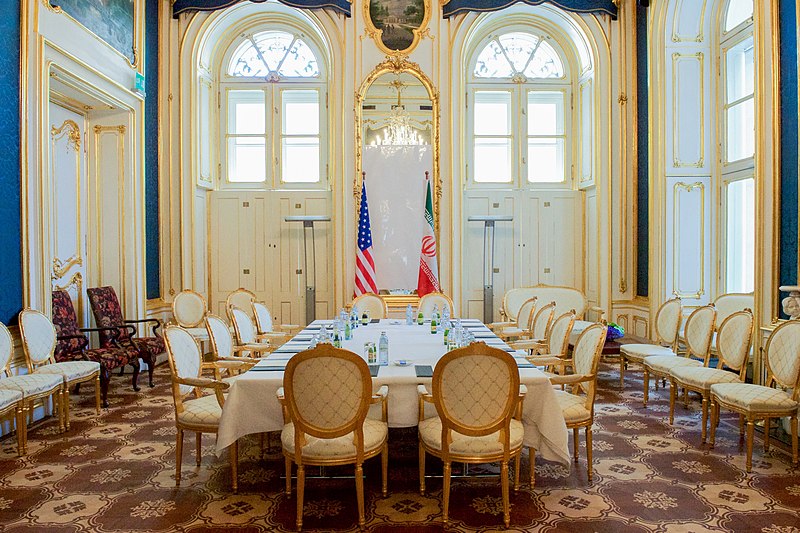
Talks resumed last week with Iran about the nuclear deal in Vienna. The US has recently warned Iran against attempts to “slow-walk” its way in the ongoing negotiations.
AFP reports that over the weekend, the US has warned that it will not allow Iran to “slow walk” international negotiations over the nuclear deal while also further developing its nuclear program. The warning follows Washington’s pushback at Iran, saying that the discussions with world powers stalled because Tehran does not seem to take the negotiations seriously.
“We can’t accept a situation in which Iran accelerates its nuclear program and slow walks its nuclear diplomacy,” said a senior US official, echoing a warning made by US Secretary of State Antony Blinken regarding the matter. The official also said that Washington does not plan to walk away from the indirect negotiations that restarted last week as it hoped that Tehran would return to the negotiations and take the talks seriously.
Iran put a pause on the talks back in June when it elected a new president, Ebrahim Raisi.
According to the official, when Iran returned to the talks last week, they said it was “with proposals that walked back any of the compromises that Iran had floated during the six rounds of talks.” The official also accused Tehran of looking to “pocket all of the compromises that others -- the US in particular -- has made and then ask for more.”
The official said that the European Union coordinator has not yet set a date for the next meeting and that the US will continue to pursue diplomacy while noting that they have other options should negotiations fall through.
Iran is moving forward with its nuclear program to this day, and Iranian international affairs expert Mostafa Khoshcheshm warned that Tehran’s leverage is not limited to its nuclear program. Khoshcheshm explained that Iran also has leverage in the military, regional, and missile aspects.
“Our leverage is not limited to the nuclear field. We also have leverage in other areas that we can apply, based on the roadmap and at the appropriate opportunity,” Khoshcheshm told Ofogh TV.
“The Western side is aware of this since the Americans are seeking a certain tactical goal, and are fearful that because of Biden’s withdrawal, Democrats will lose their majority in the next congressional elections,” said Khoshcheshm, referring to the Afghanistan withdrawal back in August that saw the Taliban regain control.







