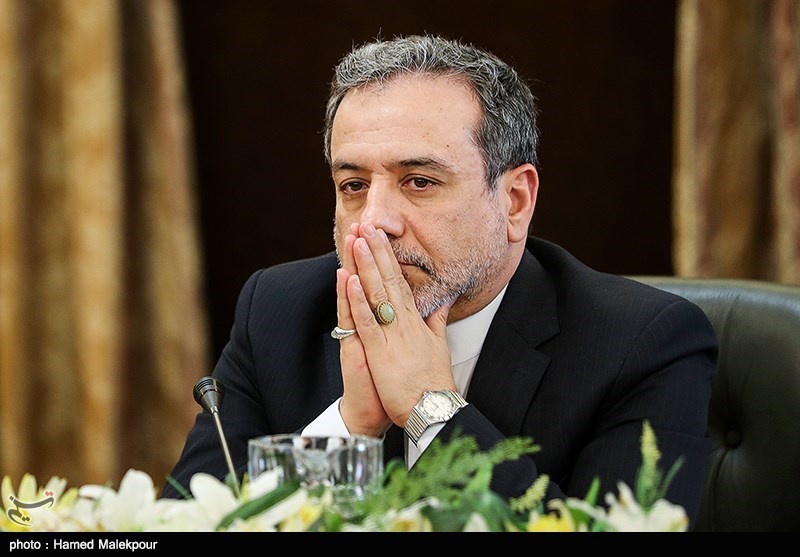
Iran will maintain cooperation with the International Atomic Energy Agency (IAEA) but under stricter oversight by its Supreme National Security Council, Foreign Minister Abbas Araqchi said Saturday. This follows a new Iranian law requiring council approval for nuclear site inspections, introduced after Israeli and U.S. airstrikes targeted Iranian nuclear facilities last month.
Araqchi emphasized security and safety concerns regarding site access, citing the potential spread of radioactive materials and unexploded munitions. “Inspectors’ safety and national security are key considerations,” he told diplomats in Tehran. While cooperation with the IAEA will continue, it will now be evaluated case-by-case.
Tensions between Tehran and the IAEA escalated after the agency accused Iran of violating the Nuclear Non-Proliferation Treaty just before the strikes. Iran insists its nuclear program is for peaceful purposes, rejecting Western claims of weapons development.
Araqchi reiterated Iran's refusal to accept any nuclear agreement that bans uranium enrichment. He stressed that future talks would be limited to nuclear issues, excluding discussions on Iran’s missile program or defense strategy.
In response to reports from Axios suggesting Russian President Vladimir Putin supported a no-enrichment deal, Iran’s Tasnim News Agency denied any such message from Moscow. Araqchi also warned that any attempt by the UK, France, or Germany to trigger the U.N. "snapback" sanctions mechanism under the 2015 nuclear deal would sever Europe’s role in ongoing nuclear diplomacy.
He added that Iran is reviewing the possibility of renewed negotiations with the U.S., but only with guarantees against future military threats. “We will not rush into talks without careful consideration,” he said, underlining Tehran’s demand for credible assurances.
This development comes as Iran’s nuclear policy faces renewed global scrutiny ahead of a key U.N. sanctions deadline in October 2025.