Israel launched fresh airstrikes on Iranian targets Monday, including the Mahshahr petrochemical complex in southwestern Iran, marking the first reported attack on an energy facility since the April ceasefire. Iranian officials confirmed that parts of the petrochemical plant sustained damage, while Israel said the operation targeted military-related infrastructure within the complex.
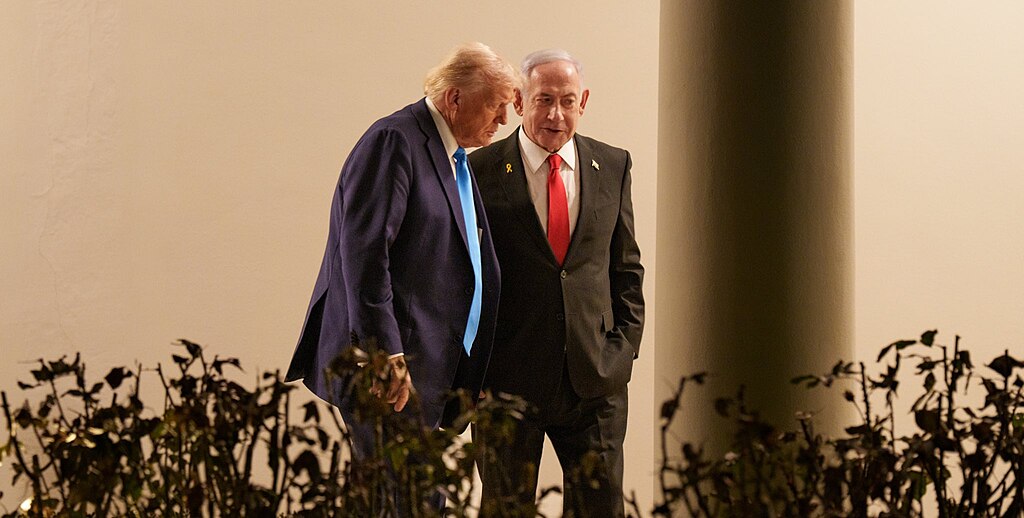
The latest escalation comes despite reports that U.S. President Donald Trump urged Israeli Prime Minister Benjamin Netanyahu to avoid further military action as Washington continues efforts to secure a broader peace agreement with Tehran. According to reports, Trump told Netanyahu during a phone call that ongoing attacks could jeopardize diplomatic progress, emphasizing that negotiations were nearing a breakthrough.
Speaking to the Financial Times, Trump insisted that the renewed violence would not derail U.S.-Iran peace talks. He stated that his administration remains in control of the diplomatic process and expressed confidence that a deal remains achievable despite recent hostilities.
Following Israel’s strikes, Iran launched multiple ballistic missiles toward Israeli territory. Israeli defense systems reportedly intercepted the incoming projectiles, while Iranian officials said the attacks were a direct response to Israeli military operations. Israeli representatives accused Tehran of continuing aggressive actions and vowed to target missile launch sites and related infrastructure.
The renewed conflict pushed global oil prices sharply higher, with Brent crude rising more than 3% and climbing above $96 per barrel. Investors remain concerned about potential disruptions to energy supplies, particularly as tensions continue around the Strait of Hormuz, a critical route for global oil and liquefied natural gas shipments.
The conflict also threatens ongoing diplomatic efforts to end the broader regional war. Iran has repeatedly stated that any long-term agreement with the United States depends on maintaining a ceasefire in Lebanon, where clashes between Israel and Hezbollah continue. Meanwhile, Washington is seeking an agreement that would prevent Iran from developing nuclear weapons while addressing sanctions relief and regional security concerns.
Despite the latest exchange of attacks, both Washington and Tehran have indicated that negotiations remain active, keeping hopes alive for a potential diplomatic breakthrough in the Middle East conflict.