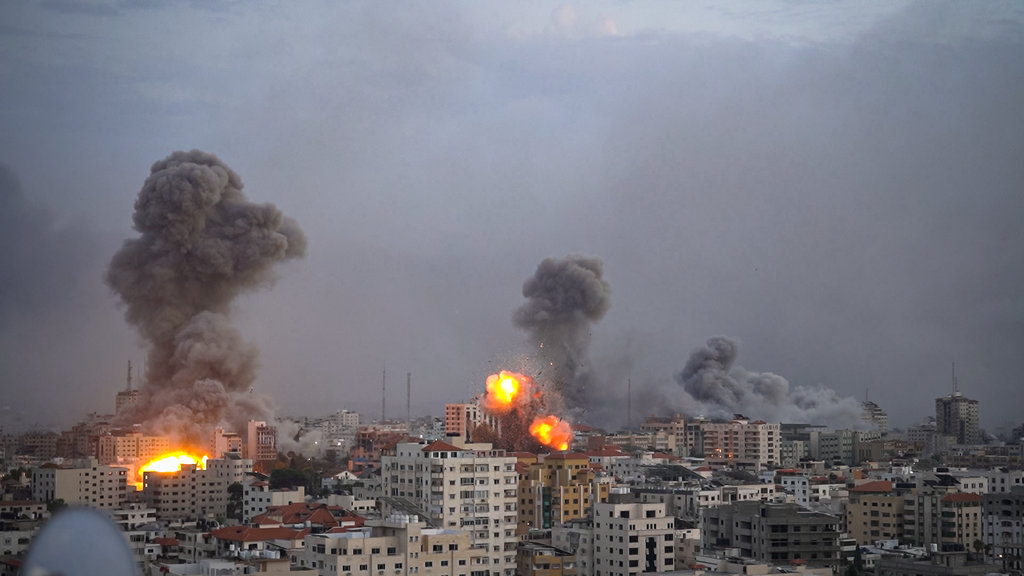
Israel and Syria have agreed to a ceasefire following a week of deadly violence in Syria’s Druze-majority Sweida province, which has left over 300 dead and hundreds wounded. The truce, brokered with support from the U.S., Turkey, and Jordan, follows Israeli airstrikes on Damascus and southern Syria aimed at protecting the Druze minority.
U.S. envoy to Turkey, Tom Barrack, urged Druze, Bedouins, and Sunnis to disarm and work toward a united Syrian identity. Although Israel previously opposed Syrian military presence in the south, it has allowed limited Syrian internal security forces to enter Sweida for 48 hours to contain the unrest.
The fighting began after clashes erupted between Druze factions and Bedouin fighters. Syrian President Ahmed al-Sharaa accused Israel of attempting to destabilize the region but vowed to safeguard Druze communities. Damascus had initially deployed troops to quell the unrest, but they faced allegations of rights abuses and were targeted by Israeli strikes before retreating under a Wednesday truce.
Despite the ceasefire, violence continued on Friday. Thousands of Bedouin fighters reportedly advanced toward Sweida, raising fears of ongoing bloodshed. Residents reported dire humanitarian conditions with no electricity, food, or water for days, and the UN warned of credible reports of summary executions and kidnappings during the conflict. At least 321 people have been killed since Sunday, according to the Syrian Network for Human Rights.
The UN and humanitarian agencies called for immediate access to the region. Meanwhile, Israel’s skepticism of Syria’s new Islamist leadership contrasts with the U.S. stance, which disapproved of recent Israeli strikes but supports peace efforts. The situation remains tense, with Sweida at the center of a complex and fragile ceasefire.