Israel’s recent decision to formally recognize the self-declared Republic of Somaliland has triggered intense debate at the United Nations, with several countries questioning the motives behind the move and warning of potential geopolitical consequences. Israel became the first nation to recognize Somaliland as an independent and sovereign state, a step that immediately drew criticism from Arab states, Pakistan, Somalia, and other U.N. members.
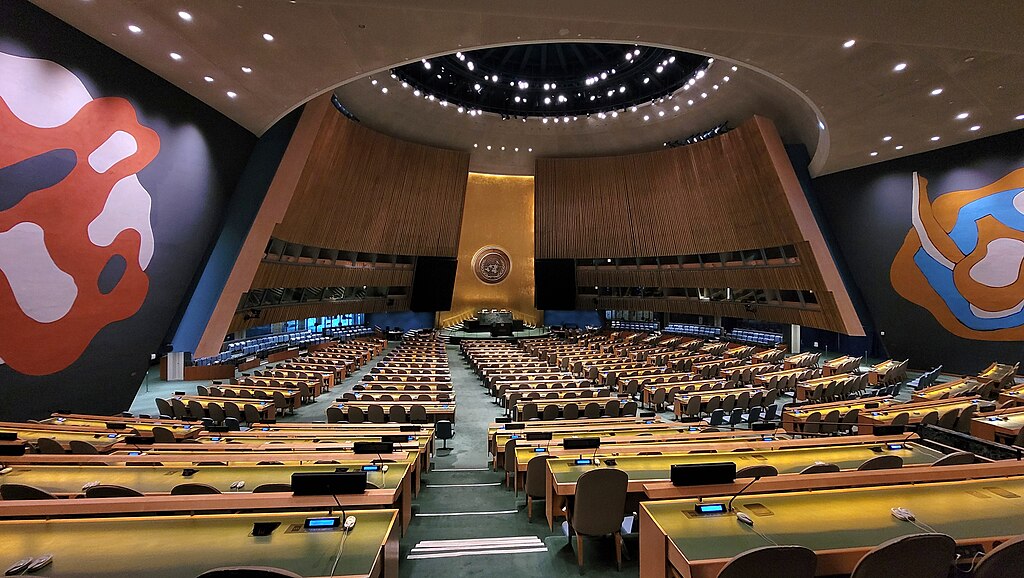
During a U.N. Security Council meeting, representatives from the 22-member Arab League rejected what they described as “illegitimate recognition,” expressing concerns that it could facilitate the forced displacement of Palestinians from Gaza or enable Israel to establish military bases in northern Somali ports. Pakistan echoed these concerns, stating that Israel’s recognition was “deeply troubling” given previous discussions suggesting Somaliland as a possible destination for Palestinians from Gaza. Israel did not directly address these allegations at the council session, and its U.N. mission declined immediate comment.
Somaliland, a former British protectorate, has maintained de facto autonomy since 1991 following Somalia’s descent into civil war. Despite relative peace and stability compared to the rest of Somalia, Somaliland has long sought international recognition, which has so far remained elusive. Somalia’s U.N. ambassador firmly rejected Israel’s move, emphasizing that Somaliland is part of a U.N. member state and warning against any attempts to relocate Palestinians to the region.
Israel defended its decision by arguing that recognition is not a hostile act toward Somalia but an opportunity for dialogue and cooperation. Israeli officials stated that the country plans to pursue immediate collaboration with Somaliland in areas such as agriculture, health, technology, and economic development. Somaliland’s leadership hopes this recognition will encourage other nations to follow suit, boosting its diplomatic standing and access to global markets.
The controversy unfolds against a broader international backdrop, with several Western countries recently announcing plans to recognize a Palestinian state. Critics argue that recognizing Somaliland undermines the U.N. Charter, while supporters say the move reflects changing geopolitical realities. As debates continue, Israel’s recognition of Somaliland is likely to remain a focal point in discussions about sovereignty, international law, and Middle East–Africa relations.