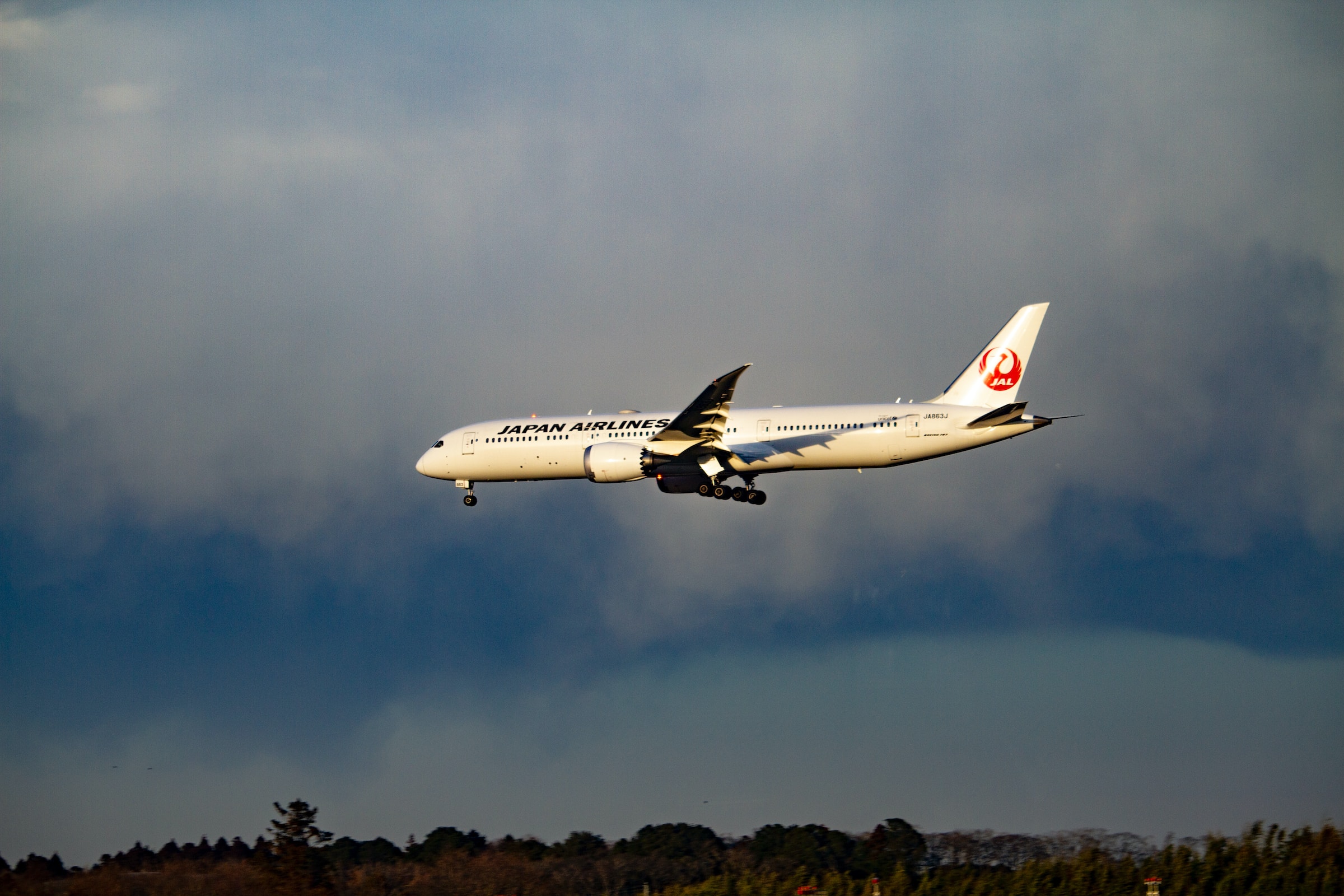
Japan Airlines (JAL), in partnership with Sumitomo, has launched 'Any Wear, Anywhere,' a clothing rental service for foreign tourists and business travelers. This sustainable option not only lets passengers travel lighter, reducing both fuel consumption and CO2 emissions but also broadens JAL's customer experience.
Under this trial service, available until August 2024, passengers can conveniently select their desired outfits online prior to their trip. The range offers a variety of options, from formal wear to casual attire, tailored to seasonal, size, and occasion preferences. The rented clothes will be delivered to their hotel or Airbnb accommodation before arrival and collected afterward for washing and recycling.
The service price starts at $28 for five items, with tourists having the flexibility to keep the clothes for up to two weeks. JAL encourages its customers to make sustainable choices while saving on baggage fees. The airline company believes that by providing an inclusive service encompassing "food," "accommodation," and now "clothing," it could potentially revolutionize the way people travel.
To measure the impact of the service, JAL will monitor each checked baggage to assess the reduction in carbon dioxide emissions resulting from passengers opting to use the "Any Wear, Anywhere" service. The testing period for this service will run until August 31. While it is currently only available to JAL travelers flying to Japan, there is potential for offering it to other Oneworld alliance members in the future, such as American Airlines, British Airways, Qantas, and Qatar Airways, if the test run proves successful.
With its rental clothing service, Japan Airlines (JAL) actively promotes a sustainable approach and circular economy by sourcing excess stock and pre-owned garments to reduce waste. Additionally, JAL plans to monitor the decrease in carbon dioxide emissions achieved through lighter aircraft weight when passengers travel with fewer bags.
This initiative showcases JAL's commitment to both enhancing the customer experience and minimizing the environmental impact of air travel.
Photo: Denisse Leon/Unsplash