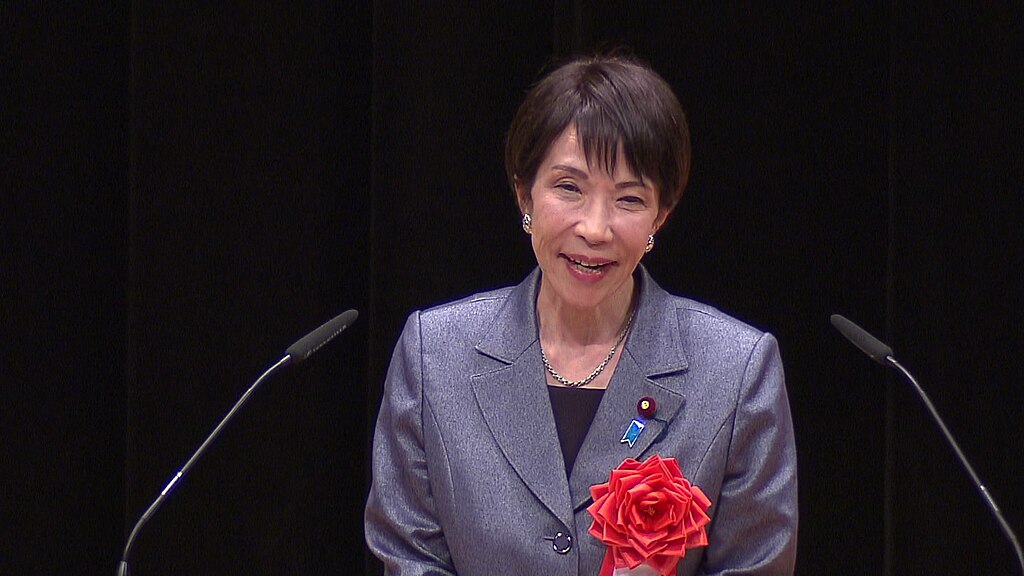
Japan is preparing to significantly loosen its arms export restrictions, and allies from Europe to Southeast Asia are already lining up. Prime Minister Sanae Takaichi's ruling party has approved the sweeping policy changes, with formal adoption expected as early as this month, according to Japanese government officials familiar with the matter.
For decades, Japan maintained a near-total ban on weapons exports rooted in its post-World War Two pacifist identity. Despite that restraint, the country has quietly built a defense industry capable of producing advanced military hardware, backed by a $60 billion annual defense budget. That industrial strength is now being positioned for the global market.
Poland and the Philippines rank among the most eager potential buyers. Warsaw sees Japan as a partner for plugging gaps in anti-drone and electronic warfare capabilities, while Manila is reportedly in line to receive used Japanese frigates — a deal that could be finalized soon — as the Philippines faces growing maritime tensions with China in the South China Sea.
The timing is strategic. With the United States stretched thin by ongoing conflicts and allies increasingly uncertain about Washington's security commitments under President Trump, countries are actively seeking to diversify their weapons suppliers. Three European diplomats confirmed that Japan's policy shift is being viewed as a meaningful opportunity to reduce dependence on American defense supply chains.
Japanese defense contractors are responding quickly. Toshiba plans to hire roughly 500 workers over the next three years and is building new production facilities, while Mitsubishi Electric is expanding its overseas sales teams across London and Singapore.
South Korea's rapid rise as a top defense exporter to both Poland and the Philippines offers a compelling model for what Japan could achieve. Given its larger economy and comparable industrial capacity, analysts believe Japan's defense export potential could ultimately surpass its regional rival.